Hiking near Japan's mountain onsen: bear bells, trail shoes and rain gear for short walks
What to carry for short hikes and forest walks around mountain onsen such as Nyuto, Okukinu, Sukayu and the Hakkoda area: official bear-safety advice from the Ministry of the Environment and the prefectures (including why bear spray can't go on a plane), footwear and trekking poles, rain layers and what the Japan Meteorological Agency says about thunder, water, snacks and cash where shops are scarce, headlamps and first aid — with what to buy on Amazon.co.jp or Rakuten and what some inns lend.
Updated Nov 10, 2026
Many of the most remote onsen inns on this site sit inside national parks: the Nyuto valley and the Hakkoda area around Sukayu are in Towada-Hachimantai National Park, Okukinu is in Nikko National Park, and Shirahone lies near the Sawando bus terminal for Kamikochi. Walking there is part of the stay — a forest path to the next bath, a pond loop before breakfast, or a trail that is the only way in without the inn's shuttle. This guide goes through what to carry, using the bear-safety and packing advice that the Ministry of the Environment publishes with Japan's national tourism organisation (JNTO), the prefectures of Akita, Aomori, Tochigi and Nagano, the Japan Meteorological Agency (JMA), and official course pages — plus what our ryokan reports say inns lend, sell or warn about.
None of this is about serious mountaineering; it is for walks of an hour or two. Much of it can be bought after you land: Amazon.co.jp and Rakuten can deliver to your inn or to a convenience store (konbini) near it — see our guide to delivery to your ryokan for how that works, and allow extra days for a remote inn. Walking times below are the guideline figures given by the official pages, not our own.
Before you set out: bear news, trail closures and phone signal
Check the local bear news first. The national parks bear page asks visitors to look up recent sightings on the prefecture's official website and to stop at the visitor centre for local rules and the latest information. In Akita, which covers the Nyuto valley, the prefecture runs a sightings map called Kumadas, now also an app that sends alerts about sightings near your location; in November 2026 a bear advisory covered the whole prefecture until 30 November, and entry to the mountains is banned outright in an area running from the Hachimantai district of Kazuno to the Tamagawa district of Semboku, after attacks by bears that approach people. Aomori, home to Sukayu and the Hakkoda inns, posts sightings on Kumalog Aomori (くまログあおもり) and has a bear warning across the prefecture from 20 April to 30 November 2026. Tochigi, which covers Okukinu, counted 292 bear sightings from April to September 2026.
The national parks hiking guide notes that trail signs are mostly in Japanese only, so write down the kanji for the place names on your route; that you may be asked to fill in a hiking registration form and drop it in a box at the trailhead; and that you should check the times of the last bus or train back.
Don't count on your phone at the inn. Yachi Onsen has no mobile signal anywhere, Lamp no Yado Aoni has none either, and emergency calls may not connect there, and at Tsurunoyu the signal is patchy depending on the carrier. Save the route and the inn's phone number before you leave the last town, and carry a charged power bank.
Search in Japanese shops
- Lightweight power bankAmazon.co.jpRakuten
- Waterproof map caseAmazon.co.jpRakuten
- Waterproof phone pouchAmazon.co.jpRakuten


Rakuten prices as of Nov 10, 2026 — check the shop for current price and stock. Supported by Rakuten Developers Rakuten links are affiliate links: we may earn a commission at no extra cost to you. As an Amazon Associate, OKU earns from qualifying purchases.
 Area photo
Oirase & TowadaClassic
Hōryō Yachi, Towada, Aomori — a lone inn in the southern Hakkōda mountains beside the Yachi marshland, past Sukayu on the road to Lake Towada; five minutes on foot from the Yachi Onsen stop on the JR bus from Aomori
10 sources
Yachi Onsen
谷地温泉
A creaky 400-year-old Hakkōda hot-spring inn where a 38°C 'lower spring' bubbles up through the floor of a wooden tub — loved for the water, the stars and the cheerful staff, if you can live with shared toilets, no air conditioning and no phone signal
- Historic Ryokan
- Secluded Retreats

Aoni OnsenValue
Aoni valley, Kuroishi, Aomori — deep in the mountains east of Kuroishi; by car April–November (then a steep 100m walk down from the car park), by reservation-only shuttle from Michi-no-Eki Niji-no-Ko all year
9 sources
Lamp no Yado Aoni Onsen
ランプの宿 青荷温泉
A 1929 hot-spring retreat lit by about 160 oil lamps, with no electric lights, TV or phone signal, four free-flowing hiba and rock baths and Tsugaru dishes explained in dialect — a real digital detox, if you can live with darkness, thin walls and cool water
- Secluded Retreats

Nyuto OnsenValue
Nyuto Onsen, Semboku, Akita — at the end of a forest road in Towada-Hachimantai National Park
14 sources
Tsurunoyu Onsen
乳頭温泉郷 鶴の湯温泉
Japan's most photographed milky mixed bath, a thatched samurai-guard house with irori hearths, and rooms from about ¥11,700 — rustic, cold in places, and hard to book
- Historic Ryokan
- Secluded Retreats
Bears: bells, staying together, and the rules on bear spray

Asiatic black bears live on Honshu and Shikoku. The Ministry of the Environment's national parks page says bears are generally active from March to November and hibernate from December to February, though timing varies with the climate; Aomori Prefecture says they forage most actively from about May to November. Nagano Prefecture, home to Shirahone, says about 70% of bear injuries there happen in forests, most often while people are picking mushrooms or mountain vegetables.
The advice to avoid an encounter is consistent. Don't walk alone, and make your presence known with a bell, a radio, clapping or your voice. Take extra care where you can't see far, near streams, and in strong wind or rain — Aomori notes that bears may not hear you over a loud stream or bad weather. Aomori also says to stay out of the mountains at dawn, dusk and in thick fog, and to turn back if you find bear tracks or droppings. Never leave food, bags or rubbish unattended. Akita says most accidents in the prefecture happened to people who met a bear without a bell or radio — but that in its no-entry zones ordinary noise-making is not enough, so stay out of them.
If you see a bear, don't approach it or stop to take photos: stay calm and back away slowly while keeping it in sight. Don't shout, turn and run, or throw things. If attacked, the national parks page says to lie face down protecting your neck, face and abdomen; Akita describes a defensive posture that shields the face and neck.
Bear spray: Akita says it is effective in a last resort, and publishes recommended performance requirements for it. But the national parks page is clear that bear spray cannot be carried on or checked into an aircraft — check in advance where to buy or rent it after you land, and read the instructions before you need it.
Some inns help. Kyukamura Nyuto Onsenkyo lends bear bells for walks between baths, and staff at Magoroku Onsen lent a day visitor a bell for the forest path. Bears close baths too: Notoya's hilltop bath in Ginzan closed in autumn 2025 because of bears and reopened for 2026, Naruko's Onuma closed its Mori-no-yu over bears in late 2025, and Takayu's Tamagoyu added electric fences and sensor lights in 2026.
Search in Japanese shops
- Bear bellsAmazon.co.jpRakuten
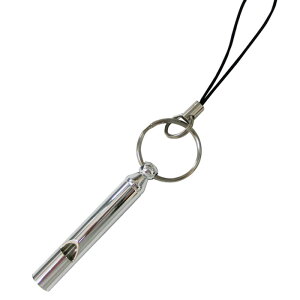
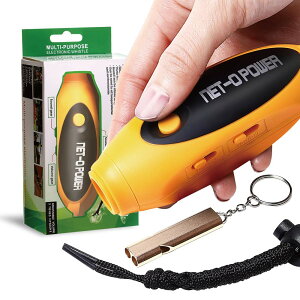
- Hiking whistleAmazon.co.jpRakuten
- Small portable radioAmazon.co.jpRakuten
- Bear spray (buy in Japan, never fly with it)Amazon.co.jpRakuten



Rakuten prices as of Nov 10, 2026 — check the shop for current price and stock. Supported by Rakuten Developers Rakuten links are affiliate links: we may earn a commission at no extra cost to you. As an Amazon Associate, OKU earns from qualifying purchases.
 Area photo
Nyuto OnsenValue
Nyuto Onsen, Semboku, Akita — in beech forest in Towada-Hachimantai National Park, with its own stop on the bus line from JR Tazawako Station (about 45 minutes)
14 sources
Kyukamura Nyuto Onsenkyo
休暇村 乳頭温泉郷
Nyuto's easy option: a modern 38-room resort lodge with two free-flowing springs, an outdoor bath in the beech forest, Akita buffets and the bath-hopping bus at the door — comfortable and easy to book, but short on old-inn atmosphere
- Secluded Retreats

Nyuto OnsenPremium
Nyūtō Onsen-kyō, Semboku, Akita — the innermost inn of the Nyūtō valley, reached only on foot along a 5–15 minute forest path
9 sources
Magoroku Onsen Rokuan
孫六温泉 六庵
Nyūtō's old self-catering hideaway, reborn in 2025 as a six-room inn with a barrel sauna, robed mixed baths and counter kaiseki — beautiful, remote and pricey, with early reviews still mixed
- Secluded Retreats

Ginzan OnsenClassic
Ginzan Onsen, Obanazawa, Yamagata — the towered wooden inn at the heart of the riverside street
12 sources
Notoya Ryokan
銀山温泉 能登屋旅館
The towered Taisho-era inn everyone photographs in Ginzan — warm service, a cave bath and a waterfall-view bath, but book a river-side room and expect an audience
- Historic Ryokan

Naruko OnsenValue
Higashi-Naruko Onsen, Osaki, Miyagi — a century-old tōji inn five minutes' walk from JR Naruko-Gotenyu Station
9 sources
Ryokan Ohnuma
旅館大沼
Eight free-flowing baths of two baking-soda springs, four of them free private baths you just lock, a hillside garden bath and famous house natto — a modern tōji inn at old-fashioned prices, with stairs and shared toilets
- Historic Ryokan
 Area photo
Takayu OnsenClassic
Takayu Onsen, Fukushima city — a 50-room mountain inn about 16 km (30 minutes by car or the inn's shuttle bus) from JR Fukushima Station
10 sources
Takayu Onsen Ryokan Tamagoyu
高湯温泉 旅館 玉子湯
Takayu's best-known inn: a thatched bath hut from 1868 and garden rock baths full of free-flowing, bluish-milky sulphur water — with dated rooms, thin walls and a paid private bath
- Historic Ryokan
Footwear, socks and trekking poles

Shoes matter more than anything else. The national parks packing page says short sightseeing walks don't need special gear, but to choose sturdiness over style: unless a path is described as barrier-free, expect exposed tree roots, rough or slippery ground and steep steps, even in well-kept places. The hiking guide adds that easy trails need no special equipment, while moderate ones with long, steep sections call for hiking boots; its packing list includes outdoor shoes or hiking boots, well-padded socks and trekking poles. If you plan to rent, note its caveat that if your clothing or shoe size is outside Japan's fairly limited standard range, you are better off bringing your own.
Some of our inns are reached on foot. The Okukinu Nature Exploration Path runs from Meotobuchi past Hatcho no Yu and Kaniyu; Nikko's official guide gives about one hour to Hatcho no Yu, an hour and a half to Kaniyu and two and a half hours to Nikkozawa Onsen, with steep climbs and descents, and recommends it for more experienced hikers — our inn reports give a longer 1.5–2 hours to Hatcho no Yu. Both inns run shuttles from Meotobuchi, and our Hatcho no Yu report notes that in winter you need mountain gear if you walk in.
Magoroku Onsen in Nyuto is reached only by a forest path of 5–15 minutes with no lights, so arrive before dark; in winter the walk from the parking is on a snowy road where boots are needed. At Tateshina Shinyu, staff warned a 2026 blogger off the steep trail to the Ōtaki waterfall in sneakers.
Search in Japanese shops
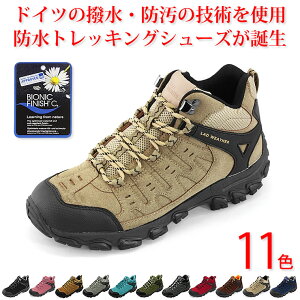
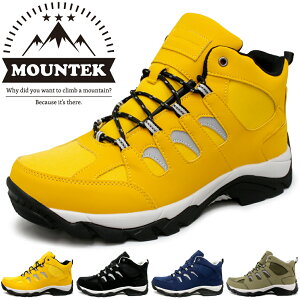
- Trekking shoesAmazon.co.jpRakuten
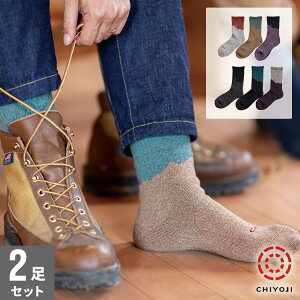
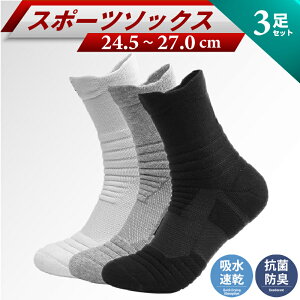
- Thick hiking socksAmazon.co.jpRakuten
- Folding trekking polesAmazon.co.jpRakuten
- Small daypackAmazon.co.jpRakuten


Rakuten prices as of Nov 10, 2026 — check the shop for current price and stock. Supported by Rakuten Developers Rakuten links are affiliate links: we may earn a commission at no extra cost to you. As an Amazon Associate, OKU earns from qualifying purchases.
 Area photo
Okukinu OnsenValue
Okukinu Onsen, Kawamata, Nikko, Tochigi — at about 1,300 m in Nikko National Park, beyond the end of the public road; cars stop at the Meotobuchi car park and guests ride the inn's shuttle about 30 minutes up a dirt forest road (or hike about 1.5–2 hours)
9 sources
Hatcho no Yu
奥鬼怒温泉 八丁の湯
A 1929 mountain hut past the end of the road in Okukinu, with three free-flowing mixed open-air baths by a waterfall and newer log cabins — wonderful water, but basic rooms, no air conditioning and a shuttle you have to plan around
- Secluded Retreats
- Tattoo-Friendly
Area photoOkukinu OnsenValue
Okukinu Onsen, Kawamata, Nikko, Tochigi — about 1,340 m up on the Kinu River in Nikko National Park, past the end of the public road; cars stop at the Meotobuchi car park and guests ride the inn's free shuttle about 25 minutes up an unpaved forest road (or walk about 1.5 hours)
10 sources
Kaniyu
奥鬼怒温泉 加仁湯
The biggest inn on Okukinu's car-free road: five of its own sulphur springs flow, unheated and undiluted, into mixed and women-only open-air baths and a row of side-by-side 'tasting' tubs — but the rooms are plain, upkeep is patchy, and you pay in cash
- Secluded Retreats
- Private Onsen Rooms
Nyuto OnsenPremium
Nyūtō Onsen-kyō, Semboku, Akita — the innermost inn of the Nyūtō valley, reached only on foot along a 5–15 minute forest path
9 sources
Magoroku Onsen Rokuan
孫六温泉 六庵
Nyūtō's old self-catering hideaway, reborn in 2025 as a six-room inn with a barrel sauna, robed mixed baths and counter kaiseki — beautiful, remote and pricey, with early reviews still mixed
- Secluded Retreats
 Area photo
TateshinaClassic
Kitayama, Chino, Nagano — a riverside inn at about 1,350 m on the Takinoyu River in the Tateshina highlands, around 30 minutes from Suwa IC via the Venus Line, with a free shuttle from JR Chino Station
9 sources
Tateshina Shinyu Onsen
蓼科 親湯温泉
A 1926 riverside inn steeped in Japanese literature — Dazai's honeymoon, Ozu's diaries, 30,000 books — with free private open-air baths and dinner in Taisho-style private rooms; but the shared baths are recirculated and chlorinated, and dinner divides opinion
- Historic Ryokan
- Private Onsen Rooms
Rain layers, mountain weather, thunder and volcanic gas

Mountain weather changes fast. The national parks hiking guide warns of sudden showers, thunderstorms and even blizzards, says temperatures can drop below 15°C at altitude in summer, and names August and September as peak typhoon season, so check the forecast before you set off. For a short walk, the packing page lists an umbrella or raincoat; for anything longer it recommends warm, waterproof layers. A jacket and trousers that pack small, a pack cover and a light fleece cover most onsen-area walks.
Thunder: the Japan Meteorological Agency says that once you hear thunder, a strike is imminent, and you should move quickly to a safe place. Open ground, summits and ridges are where people are most likely to be struck; reinforced-concrete buildings, cars (not convertibles), buses and trains are relatively safe, and the inside of a wooden building is basically safe too. If there is no shelter, stay at least 2 m from every part of a tall tree, crouch low, don't hold anything up above your body, and wait at least 20 minutes after the thunder stops before moving on.
Volcanic areas: the hiking guide notes that parts of active volcanoes may be closed because of hazardous gases or eruption risk, so ask at the visitor centre. At Sukayu, the Ministry of the Environment's course page warns that volcanic gas comes out at points around the nature trail, which passes the crater pond Jigokunuma.
Search in Japanese shops
- Rain jacket and trousersAmazon.co.jpRakuten
- Backpack rain coverAmazon.co.jpRakuten
- Quick-dry hiking shirtAmazon.co.jpRakuten
- Light fleeceAmazon.co.jpRakuten


Rakuten prices as of Nov 10, 2026 — check the shop for current price and stock. Supported by Rakuten Developers Rakuten links are affiliate links: we may earn a commission at no extra cost to you. As an Amazon Associate, OKU earns from qualifying purchases.
Water, snacks and cash where there are no shops
Assume there is nothing to buy on the trail. The national parks packing page says rubbish bins are usually not available, so carry out everything you carry in, and bring enough cash for the whole trip, because many rural places don't take cards. For a short walk it lists water, sunscreen, insect repellent and a rubbish bag; the hiking guide adds high-calorie snacks, a water bottle and loose change for toilets.
Our reports show how thin supplies are at remote inns. Yachi Onsen has no vending machines and the nearest convenience store is about 35 minutes away by car, so buy snacks and drinks first; Magoroku Onsen has no lounge or vending machine either. Kaniyu takes no cards, even for stays booked through online agencies, and there is no ATM within walking distance; if you leave on the 11:20 shuttle there is nowhere to eat at the Meotobuchi car park while you wait for the city bus, so order the inn's rice-ball bento.
Inns near trailheads can help with food. At Hatcho no Yu, early hikers can swap the 7:30 breakfast for a free bento, and Oyado Eitaro in Hirayu, a short bus ride from Kamikochi, offers an onigiri lunchbox for ¥800 on its dinner-only plan — one climber had breakfast packed as a bento instead.
Search in Japanese shops
- Lightweight water bottleAmazon.co.jpRakuten
- Trail snacksAmazon.co.jpRakuten
- Small rubbish bagsAmazon.co.jpRakuten
- Coin purseAmazon.co.jpRakuten


Rakuten prices as of Nov 10, 2026 — check the shop for current price and stock. Supported by Rakuten Developers Rakuten links are affiliate links: we may earn a commission at no extra cost to you. As an Amazon Associate, OKU earns from qualifying purchases.
Area photoOirase & TowadaClassic
Hōryō Yachi, Towada, Aomori — a lone inn in the southern Hakkōda mountains beside the Yachi marshland, past Sukayu on the road to Lake Towada; five minutes on foot from the Yachi Onsen stop on the JR bus from Aomori
10 sources
Yachi Onsen
谷地温泉
A creaky 400-year-old Hakkōda hot-spring inn where a 38°C 'lower spring' bubbles up through the floor of a wooden tub — loved for the water, the stars and the cheerful staff, if you can live with shared toilets, no air conditioning and no phone signal
- Historic Ryokan
- Secluded Retreats
Nyuto OnsenPremium
Nyūtō Onsen-kyō, Semboku, Akita — the innermost inn of the Nyūtō valley, reached only on foot along a 5–15 minute forest path
9 sources
Magoroku Onsen Rokuan
孫六温泉 六庵
Nyūtō's old self-catering hideaway, reborn in 2025 as a six-room inn with a barrel sauna, robed mixed baths and counter kaiseki — beautiful, remote and pricey, with early reviews still mixed
- Secluded Retreats
Area photoOkukinu OnsenValue
Okukinu Onsen, Kawamata, Nikko, Tochigi — about 1,340 m up on the Kinu River in Nikko National Park, past the end of the public road; cars stop at the Meotobuchi car park and guests ride the inn's free shuttle about 25 minutes up an unpaved forest road (or walk about 1.5 hours)
10 sources
Kaniyu
奥鬼怒温泉 加仁湯
The biggest inn on Okukinu's car-free road: five of its own sulphur springs flow, unheated and undiluted, into mixed and women-only open-air baths and a row of side-by-side 'tasting' tubs — but the rooms are plain, upkeep is patchy, and you pay in cash
- Secluded Retreats
- Private Onsen Rooms
Area photoOkukinu OnsenValue
Okukinu Onsen, Kawamata, Nikko, Tochigi — at about 1,300 m in Nikko National Park, beyond the end of the public road; cars stop at the Meotobuchi car park and guests ride the inn's shuttle about 30 minutes up a dirt forest road (or hike about 1.5–2 hours)
9 sources
Hatcho no Yu
奥鬼怒温泉 八丁の湯
A 1929 mountain hut past the end of the road in Okukinu, with three free-flowing mixed open-air baths by a waterfall and newer log cabins — wonderful water, but basic rooms, no air conditioning and a shuttle you have to plan around
- Secluded Retreats
- Tattoo-Friendly
 Area photo
Okuhida OnsenValue
Hirayu Onsen, Okuhida Onsen-gō, Takayama, Gifu — a 1-minute walk from the Hirayu Onsen bus terminal, about 20 minutes by bus from Kamikōchi
9 sources
Oyado Eitaro (Hirayu Onsen)
平湯温泉 お宿 栄太郎
A small family-run Hirayu inn by the bus terminal where a Gifu master chef's Hida-beef kaiseki and three untouched hot springs — with two free 24-hour private baths — earn near-perfect scores; the rooms are plain and small, with no baths of their own
- Private Onsen Rooms
- Destination Dining
Headlamp, first aid, toilet bags and insect repellent
Light first. For longer hikes, the national parks packing page recommends a waterproof bag holding a first-aid kit, a torch or headlamp, and an extra day's food and medication in case something goes wrong. Where there are no toilets on a trail, it suggests portable toilet bags (keitai toire), sealable bags for waste and toilet paper. The hiking guide also tells walkers to watch out for bears, wild boars and the Japanese giant hornet.
A headlamp earns its place at the inn as well. Lamp no Yado Aoni has no electric lights in the rooms, and our report advises arriving in daylight with a headlamp or book light; the forest path to Magoroku has no lights; and guests at Ryokan Sanga in Kurokawa and at Shintaku in Shirahone describe dark paths to the outdoor baths at night.
Biting insects come with summer in the forest: horseflies make the outdoor bath at Kyukamura Nyuto hard to use in July and August, and at Hatcho no Yu the waterfall-side baths can have horseflies in summer.
Search in Japanese shops
- HeadlampAmazon.co.jpRakuten
- Compact first-aid kitAmazon.co.jpRakuten
- Portable toilet bagsAmazon.co.jpRakuten
- Insect repellentAmazon.co.jpRakuten


Rakuten prices as of Nov 10, 2026 — check the shop for current price and stock. Supported by Rakuten Developers Rakuten links are affiliate links: we may earn a commission at no extra cost to you. As an Amazon Associate, OKU earns from qualifying purchases.
Aoni OnsenValue
Aoni valley, Kuroishi, Aomori — deep in the mountains east of Kuroishi; by car April–November (then a steep 100m walk down from the car park), by reservation-only shuttle from Michi-no-Eki Niji-no-Ko all year
9 sources
Lamp no Yado Aoni Onsen
ランプの宿 青荷温泉
A 1929 hot-spring retreat lit by about 160 oil lamps, with no electric lights, TV or phone signal, four free-flowing hiba and rock baths and Tsugaru dishes explained in dialect — a real digital detox, if you can live with darkness, thin walls and cool water
- Secluded Retreats
Nyuto OnsenPremium
Nyūtō Onsen-kyō, Semboku, Akita — the innermost inn of the Nyūtō valley, reached only on foot along a 5–15 minute forest path
9 sources
Magoroku Onsen Rokuan
孫六温泉 六庵
Nyūtō's old self-catering hideaway, reborn in 2025 as a six-room inn with a barrel sauna, robed mixed baths and counter kaiseki — beautiful, remote and pricey, with early reviews still mixed
- Secluded Retreats
 Area photo
Kurokawa OnsenClassic
Manganji, Minamioguni, Kumamoto — on the forested edge of Kurokawa Onsen
10 sources
Ryokan Sanga
旅館 山河
Seven baths from two private springs in the forest outside Kurokawa — beloved for its water and warmth, and now with no mixed bath; pack layers in winter
- Secluded Retreats
 Area photo
MatsumotoClassic
Shirahone Onsen, Matsumoto, Nagano — on a wooded rise above the mountain spa village, about 15 minutes by car from the Sawando bus terminal for Kamikochi
10 sources
Shirafuneso Shintaku Ryokan
白骨温泉 白船荘 新宅旅館
Shirahone's own-spring inn: seven free-flowing milky baths open round the clock, two free private baths with water welling up from below, and spring-water rice porridge in a clay pot — but the buildings are old, dinner is usually in a partitioned hall, and last check-in at 17:00 is firm
- Private Onsen Rooms
- Secluded Retreats
Area photoNyuto OnsenValue
Nyuto Onsen, Semboku, Akita — in beech forest in Towada-Hachimantai National Park, with its own stop on the bus line from JR Tazawako Station (about 45 minutes)
14 sources
Kyukamura Nyuto Onsenkyo
休暇村 乳頭温泉郷
Nyuto's easy option: a modern 38-room resort lodge with two free-flowing springs, an outdoor bath in the beech forest, Akita buffets and the bath-hopping bus at the door — comfortable and easy to book, but short on old-inn atmosphere
- Secluded Retreats
Area photoOkukinu OnsenValue
Okukinu Onsen, Kawamata, Nikko, Tochigi — at about 1,300 m in Nikko National Park, beyond the end of the public road; cars stop at the Meotobuchi car park and guests ride the inn's shuttle about 30 minutes up a dirt forest road (or hike about 1.5–2 hours)
9 sources
Hatcho no Yu
奥鬼怒温泉 八丁の湯
A 1929 mountain hut past the end of the road in Okukinu, with three free-flowing mixed open-air baths by a waterfall and newer log cabins — wonderful water, but basic rooms, no air conditioning and a shuttle you have to plan around
- Secluded Retreats
- Tattoo-Friendly
Easy walks from the inns, and when they close

Sukayu: the Ministry of the Environment's Sukayu Onsen walking course is 1.9 km, about an hour and a half by its guideline, starting at the Sukayu information centre and passing the alpine botanical garden (closed in winter), the crater pond Jigokunuma, and the manjū-fukashi steam benches — mind the volcanic gas warning above.
Tsuta: the ministry's Tsuta Wild Bird Forest course is a 2.8 km trail past six ponds in the beech forest, starting from Tsuta Onsen, about 1 hour 10 minutes with few ups and downs; the forest is known for birdlife, and the paths close in winter. The inn itself is seasonal and closes for the winter.
Hakkoda: north of the peaks, the Tashiro marsh has a boardwalk of about 2 km (around 40 minutes), closed from November to May, and the ministry notes that the Hakkoda roads close in winter; our inn reports say the Hakkoda road from Sukayu, towards Yachi and Tsuta, closes from late November to April. Yachi Onsen stays open, but in winter its shuttle comes from Hachinohe instead.
Nyuto: Kyukamura runs a guided stargazing walk at 20:30 on some evenings. In winter the valley's bath-hopping bus switches timetable and Kuroyu closes from mid-November to mid-April; one November 2025 guest had to walk 20 minutes through snow to Magoroku — the point where trail shoes give way to snow boots (see our guide to winter onsen trip gear).
Search in Japanese shops
- Compact binocularsAmazon.co.jpRakuten


Rakuten prices as of Nov 10, 2026 — check the shop for current price and stock. Supported by Rakuten Developers Rakuten links are affiliate links: we may earn a commission at no extra cost to you. As an Amazon Associate, OKU earns from qualifying purchases.

Oirase & TowadaClassic
Okuse, Towada, Aomori — alone in beech forest on the Hakkoda–Towada road, about 20 minutes by car from the Oirase stream
9 sources
Tsuta Onsen Ryokan
蔦温泉旅館
Hot water that rises through the floorboards under a 1918 wooden inn in the beech forest — superb baths, small dinners, and thin walls in the old wing
- Historic Ryokan
- Secluded Retreats
Area photoOirase & TowadaClassic
Hōryō Yachi, Towada, Aomori — a lone inn in the southern Hakkōda mountains beside the Yachi marshland, past Sukayu on the road to Lake Towada; five minutes on foot from the Yachi Onsen stop on the JR bus from Aomori
10 sources
Yachi Onsen
谷地温泉
A creaky 400-year-old Hakkōda hot-spring inn where a 38°C 'lower spring' bubbles up through the floor of a wooden tub — loved for the water, the stars and the cheerful staff, if you can live with shared toilets, no air conditioning and no phone signal
- Historic Ryokan
- Secluded Retreats
Area photoNyuto OnsenValue
Nyuto Onsen, Semboku, Akita — in beech forest in Towada-Hachimantai National Park, with its own stop on the bus line from JR Tazawako Station (about 45 minutes)
14 sources
Kyukamura Nyuto Onsenkyo
休暇村 乳頭温泉郷
Nyuto's easy option: a modern 38-room resort lodge with two free-flowing springs, an outdoor bath in the beech forest, Akita buffets and the bath-hopping bus at the door — comfortable and easy to book, but short on old-inn atmosphere
- Secluded Retreats
We may earn a commission if you book through these links, at no extra cost to you. Affiliate disclosure
Sources
- National Parks of Japan (Ministry of the Environment / JNTO): Before You Go: What to Know About Bears in Japan's National Parks
- National Parks of Japan (Ministry of the Environment / JNTO): What to Bring
- National Parks of Japan (Ministry of the Environment / JNTO): Hiking in Japan's National Parks
- 秋田県: ツキノワグマ情報
- 青森県: クマの出没に注意してください!
- 栃木県: 令和8年度のクマ出没(目撃)状況
- 長野県: ツキノワグマについて知っていただきたいこと
- 気象庁: 雷から身を守るには
- 環境省 十和田八幡平国立公園: 酸ヶ湯温泉周辺散策コース
- 環境省 十和田八幡平国立公園: 蔦野鳥の森コース
- 環境省 十和田八幡平国立公園: 田代湿原と八甲田ドライブコース
- Nikko Official Guide (Nikko City Tourism Association): Okukinu Nature Exploration Path
Photo credits
- Kamikochi, Matsumoto, Nagano · ウィキ太郎 / Public domain
- Nyuto Onsen-kyo, Semboku, Akita · 掬茶 / CC BY-SA 4.0
- Jigokunuma, Sukayu, Aomori · あおもりくま / CC BY-SA 4.0
- Tsuta-numa, Towada, Aomori · Koichi Shibata / CC BY-SA 3.0
- The Oirase stream, Towada, Aomori · MaedaAkihiko / CC BY-SA 4.0
- Lamp no Yado Aoni Onsen · Raita Futo / CC BY 2.0
- Tsurunoyu — the gate and thatched honjin, Nyuto Onsen · lumoplank / CC0
- Autumn on the Sendatsu River, Nyuto Onsen, Akita · lumoplank / CC0
- Magoroku Onsen in 2020, before its 2025 renovation, Nyūtō Onsen-kyō · Suicasmo / CC BY-SA 4.0
- Notoya Ryokan in the snow, Ginzan Onsen · さかおり / CC BY-SA 4.0
- An outdoor bath at Ryokan Onuma, Naruko Onsen · Jpatokal / CC BY-SA 3.0
- Takayu Onsen in winter, Fukushima · Purplepumpkins / Public domain
- The upper Kinu river near Kawamata Onsen, downstream of Okukinu (Nikko, Tochigi) · 690 Noda / CC BY 3.0
- Forest near Tateshina Great Falls, Chino, Nagano · Tmv / CC BY-SA 4.0
- The Kamata River near Shinhotaka Onsen, Okuhida, Gifu · Tmv / CC BY 4.0
- Kurokawa Onsen at night · MaedaAkihiko / CC0
- Utsukushigahara plateau, above Matsumoto · MitsunoriEgawa / CC BY 4.0
- The facade of Tsuta Onsen Ryokan, Towada · Yuichi Kosio / CC BY 2.0