Hatcho no Yu
奥鬼怒温泉 八丁の湯
Area photo — not the ryokan itself · The upper Kinu river near Kawamata Onsen, downstream of Okukinu (Nikko, Tochigi) · 690 Noda / CC BY 3.0
A 1929 mountain hut past the end of the road in Okukinu, with three free-flowing mixed open-air baths by a waterfall and newer log cabins — wonderful water, but basic rooms, no air conditioning and a shuttle you have to plan around
Hatcho no Yu opened in 1929, before Nikko National Park existed, and had no electricity until 1988 — oil lamps are still lit at night. No private cars go past Meotobuchi, so you ride the inn's free shuttle (book it ahead) along a bumpy 30-minute forest road, or walk the trail in roughly 1.5–2 hours. Guests come for the water: a free-flowing, unfiltered simple hot spring, with three mixed-gender open-air baths beside a waterfall, a fourth open-air bath that alternates between women and men, indoor baths and a nightly women-only hour in all the open-air baths. Japanese guests score it 4.6 on Jalan (354 reviews) and 4.60 on Rakuten (269), with the baths rated highest. You can sleep in the original hut-style main building, with shared toilets, or in Canadian log cabins with their own toilets, including rooms with private open-air baths added in 2023. Dinner is a game-heavy country menu of venison, river fish and hot pots. The complaints are about comfort, not the water: no air conditioning in a hot July 2026, cabins where you hear the neighbours, tough venison, long waits at dinner, baths closed 9:00–14:00, and staff whose Japanese is uneven. The inn's English page says it is tattoo friendly. Prices are modest: a main-building room ran ¥13,500–18,000 per person with two meals in 2023–2024, and log-cabin twins about ¥21,000–29,000 per person in 2025–2026.
Room Selection Guide
What the guests who stayed here actually recommendRecommended
Log-cabin twin or Japanese room (Villa Lodge Hatcho)
Every log-cabin room has its own toilet, which the main building lacks, and staff lay out the futons in the log-cabin Japanese room. Guests praised the comfortable beds and washlet (Jalan, September 2026) and the high ceilings (Rakuten). Expect to pay more: Jalan reviewers paid ¥21,000–29,000 per adult with two meals for twins in 2025–2026.
Luxury room or twin with a private open-air bath (opened March and December 2023)
The answer if you don't want the mixed baths: a family travelling as three generations in 2026 found the shared baths a little hot for the children but the cooler private open-air bath ideal. The Luxury room (61.6㎡) is also the only room with a fridge.
Main building (Yamagoya Hatcho) 8-tatami Japanese room
The cheapest way in and, for some repeat guests, the nicest atmosphere — a 2026 reviewer prefers it despite the toilet trade-off. Toilets are shared, but bloggers in 2023 called them very clean, with washlets. Guests paid ¥13,500 per person (March 2023) and about ¥17,600–18,000 a night (January–February 2024).
Request To Avoid
Log cabins in midsummer or winter
There is no air conditioning anywhere, only gas heaters. A July 2026 guest found it simply too hot, and the inn replied it would look at cooling. A March 2026 guest found the cabin ice-cold on arrival, couldn't adjust the heater, and heard the neighbours' voices and footsteps through the walls.
Know which room you want?
Check live rates and availability for Hatcho no Yu.
Rakuten Travel, one of Japan's biggest booking sites, lists plans and prices in Japanese — your browser's translate button works on it.
We may earn a commission if you book through these links, at no extra cost to you. Affiliate disclosure
Dining Deep Dive
Breakfast Consensus
3.9/5A box of small dishes with steamed vegetables and pork-miso soup, served at 7:30 for everyone; early hikers can swap it for a free bento
Meals are not served in rooms. The café-bar Himari Café is open around the clock to staying guests, and recent guests mention free hot chocolate after dinner and morning coffee.
Dinner Insights
3.8/5Log-cabin guests eat a kaiseki-style dinner in the Kōfukutei dining room; main-building guests have a set meal in the Yamagoya-tei tatami hall, from about 17:30. Vegetables and game come from the inn's own farm (since 2021): bloggers ate Yashio trout tartare, Nikko pork shabu-shabu, salt-grilled iwana and venison steak (July 2024), and venison sukiyaki. Paid extras include Kirifuri Kōgen beef sirloin (¥2,800) and iwana bone sake (¥2,100). The complaints: game that is tough or gamey (Jalan March 2026, Rakuten 2026), a wish for non-game options, hot pots two nights running for a two-night stay, and a 2.5-hour dinner with long gaps between courses (2025). Drinks are ordered by QR code, which one guest couldn't use on the weak Wi-Fi.
Onsen & Wellness Realities
A neutral, hypotonic, high-temperature simple hot spring (about 51°C) from springs on the hillside. The inn says it is 100% natural flow, free-flowing, not reheated and not filtered; the Nihon Hitō o Mamoru Kai listing notes water is added to cool it. Bloggers noticed a sulphur smell, strongest at Shakunage-no-yu.
Three mixed-gender open-air baths — Yukimi-no-yu (the 1929 original), Takimi-no-yu facing the waterfall and Shakunage-no-yu beside it — plus Sawagani-no-yu (women 10:00–21:00, men 22:00–10:00) and separate indoor baths. From 21:00 to 22:00 all the open-air baths are women only. Towel wrapping is allowed (rental towel ¥400 on the official site; avoid dark towels, which can lose colour), and bath wear is sold in the shop. Baths are open around the clock except cleaning; the open-air baths are cleaned 9:00–14:00 on a rota (all of them on Wednesdays), and indoor baths close 8:00–14:00. Guests note the mixed baths can be seen from the walkway, there are only three washing spots (in the indoor bath), and in summer the waterfall-side baths can be too hot, with horseflies.
Tattoo friendly, per the inn's English page; people linked to anti-social groups are refused. We did not find the same statement on the Japanese pages, so mention it when booking.
Local Warnings & Nuances
- 01
Plan around the shuttle: from Meotobuchi at 9:30, 10:30, 12:00, 15:00 and 16:30 (plus 14:00 and 17:30 on Saturdays and before holidays), back at 9:00, 10:00, 11:30 and 14:30. Book it ahead. The city bus from Kinugawa Onsen station takes about 100 minutes; from Tokyo, allow about five hours in all.
- 02
In winter (roughly November to late April) you need snow chains to reach Meotobuchi, and mountain gear if you walk in.
- 03
Check-in 14:00, check-out 10:00. If you come on the 12:00 shuttle you can wait in the café, and you may be able to bathe early (bath towels are rented).
- 04
Day bathing stopped in February 2025, so the baths are now for staying guests only.
- 05
Recent small complaints: a separate heating charge not shown at booking (March 2026), one mixed bath turned into a men-only bath (2026), staff with limited Japanese (2024–2026), and no bins or paper towels in rooms. Cancellation fees start at 30% seven days out.
Before your stay
Souvenirs from Okukinu Onsen and practical help for your trip.
Okukinu Onsen souvenirs on Rakuten


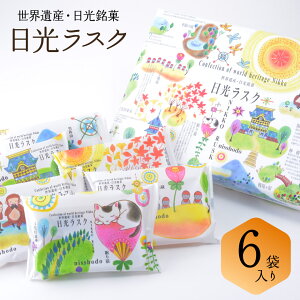
Rakuten prices as of Oct 21, 2026 — check the shop for current price and stock. Supported by Rakuten Developers Rakuten links are affiliate links: we may earn a commission at no extra cost to you.
Sources
The real blog posts and stay reports this article draws on
Featured in our guides
Side-by-side comparisons that include this ryokan.

Hiking near Japan's mountain onsen: bear bells, trail shoes and rain gear for short walks
What to carry for short hikes and forest walks around mountain onsen such as Nyuto, Okukinu, Sukayu and the Hakkoda area: official bear-safety advice from the Ministry of the Environment and the prefectures (including why bear spray can't go on a plane), footwear and trekking poles, rain layers and what the Japan Meteorological Agency says about thunder, water, snacks and cash where shops are scarce, headlamps and first aid — with what to buy on Amazon.co.jp or Rakuten and what some inns lend.
Read the guide
Japan transport before you fly: Suica, JR Pass and train tickets you can (and can't) buy in advance
What you can sort out from home before an onsen or ryokan trip — an IC card on your iPhone, a JAPAN RAIL PASS, regional passes, shinkansen seats on smartEX or JR-EAST Train Reservation, airport train tickets — and what still has to wait until you land, with the official rules and the inn shuttles you need to book.
Read the guide
Japan SIM, eSIM or pocket Wi-Fi? What to buy before you fly and where to pick it up
eSIM, prepaid SIM card or pocket Wi-Fi for Japan? How to check your phone is unlocked, what the counters, lockers and SIM vending machines at Narita, Haneda and Kansai offer, delivery to your hotel or ryokan and returning a router by post, plus why a mountain ryokan may only have Wi-Fi in the lobby.
Read the guide
Freezing at a mountain onsen ryokan in Japan? How to stay warm tonight
Cold room, icy corridor or a snowy walk to the outdoor bath? What to ask the front desk for, which inns in our directory run cold and which lend coats, boots or blankets, buying kairo heat packs and warm innerwear at a konbini today, avoiding low-temperature burns, the official advice on bathing in cold weather, ordering warm gear to your ryokan, and winter tyres, chains and shuttles.
Read the guide
Forgot your towel or brought a swimsuit to an onsen in Japan? What to do
No towel, only a swimsuit, or no shampoo, hair tie or tattoo cover? What public baths sell at the counter, what a ryokan normally provides, where to buy towels and toiletries at a konbini today, why most Japanese baths don't allow swimsuits (and the mixed baths where wraps or bath wear are allowed), tattoo cover stickers, and Amazon or Rakuten delivery to your inn or a konbini.
Read the guide
Tattoo-friendly ryokan — and how to soak in Japan when the shared bath says no
Three ryokan that openly accept tattoos, four that allow small covered ones, and eleven that ban tattoos in the shared baths but let you soak in your own room or a private bath — each inn's policy exactly as it states it, and the right room to book.
Read the guide
Mixed bathing at a ryokan — how konyoku works, and ten inns that still have it
How mixed-gender bathing (konyoku) works at a Japanese inn — robes, wraps, towels and women-only hours — and ten reviewed ryokan with a mixed bath today, each inn's rule exactly as it states it, compared honestly.
Read the guidePhoto credits
- Kamikochi, Matsumoto, Nagano · ウィキ太郎 / Public domain
- Koiwa Station (JR East), Tokyo · MaedaAkihiko / CC BY-SA 4.0
- Nano SIM card and SIM tray (studio photo) · BwDraco / CC BY-SA 3.0
- Notoya Ryokan, Ginzan Onsen (Obanazawa, Yamagata) · さかおり / CC BY-SA 4.0
- Tsubame-yu, Ueno, Tokyo · Thirteen-fri / CC BY-SA 3.0
- Gora Kadan — the former Kan'in-no-miya imperial villa, Hakone · 663highland / CC BY 2.5
- Takaragawa Onsen Osenkaku in winter, Minakami · kallerna / CC BY-SA 3.0
More Consensus Reports
 Area photo
Okukinu OnsenValue
Okukinu Onsen, Kawamata, Nikko, Tochigi — about 1,340 m up on the Kinu River in Nikko National Park, past the end of the public road; cars stop at the Meotobuchi car park and guests ride the inn's free shuttle about 25 minutes up an unpaved forest road (or walk about 1.5 hours)
10 sources
Kaniyu
奥鬼怒温泉 加仁湯
The biggest inn on Okukinu's car-free road: five of its own sulphur springs flow, unheated and undiluted, into mixed and women-only open-air baths and a row of side-by-side 'tasting' tubs — but the rooms are plain, upkeep is patchy, and you pay in cash
- Secluded Retreats
- Private Onsen Rooms
 Area photo
Lake AkanPremium
Akankoonsen, Kushiro, Hokkaido — on the shore of Lake Akan in the onsen town, about an hour by car from Kushiro or Memanbetsu airport
10 sources
Akan Tsuruga Bessou Hinanoza
あかん鶴雅別荘 鄙の座
Lake Akan's adults-only flagship: 25 suites, each with an open-air onsen bath, nearly all drinks included and Hokkaido seafood kaiseki in private rooms — but lake views vary sharply by room, the room baths are recirculated, and the price is steep
- Private Onsen Rooms
- Destination Dining
Area photoLake AkanClassic
Akanko Onsen, Kushiro, Hokkaido — on the shore of Lake Akan in the onsen town, about 60 minutes by car from Kushiro Airport and 90 from Memanbetsu Airport
9 sources
Akan Yuku no Sato Tsuruga
あかん遊久の里 鶴雅
The Tsuruga group's big flagship on Lake Akan: Ainu art everywhere, three bath complexes with a lake-level garden bath and a rooftop tub, and a huge Hokkaido buffet — but it's a busy, tour-heavy hotel, and 2026 reviews flag worn baths, smells in cheaper rooms and an offsite car park
- Design-Led

Akiu OnsenClassic
Akiu Onsen, Sendai, Miyagi — a large riverside ryokan on the Natori river, about 45 minutes by the inn's shuttle from Sendai Station
9 sources
Densho Sennen no Yado Sakan
伝承千年の宿 佐勘
A 34th-generation family inn that once kept the Date lords' bathhouse, with a thatched riverside bath and a free-flowing-drinks half-buffet — strong on food and history, tired in the older rooms
- Historic Ryokan
 Area photo
Akiu OnsenPremium
Akiu Onsen, Sendai, Miyagi — the low-rise annex of the big Hotel Zuiho beside the Rairai-kyō gorge, about 40 minutes by the hotel's free shuttle bus from Sendai Station
10 sources
Sendai Akiu Onsen Geihinkan Sakura Rikyu
仙台 秋保温泉 迎賓館 櫻離宮
A 13-room sukiya-style annex where most rooms have their own open-air onsen bath, plus a lounge with free drinks — but dinner is usually the buffet in the 117-room main hotel next door, and the water is recirculated
- Private Onsen Rooms

Aoni OnsenValue
Aoni valley, Kuroishi, Aomori — deep in the mountains east of Kuroishi; by car April–November (then a steep 100m walk down from the car park), by reservation-only shuttle from Michi-no-Eki Niji-no-Ko all year
9 sources
Lamp no Yado Aoni Onsen
ランプの宿 青荷温泉
A 1929 hot-spring retreat lit by about 160 oil lamps, with no electric lights, TV or phone signal, four free-flowing hiba and rock baths and Tsugaru dishes explained in dialect — a real digital detox, if you can live with darkness, thin walls and cool water
- Secluded Retreats
Photo credits: The upper Kinu river near Kawamata Onsen, downstream of Okukinu (Nikko, Tochigi) · 690 Noda / CC BY 3.0 / Lake Akan, Kushiro, Hokkaido · 663highland / CC BY 2.5 / Sakan — the entrance, Akiu Onsen · JustinSendai / CC BY-SA 4.0 / Autumn in Akiu, Sendai · Random Pacer / CC BY-SA 4.0 / Lamp no Yado Aoni Onsen · Raita Futo / CC BY 2.0
Hatcho no Yu
Compare rates across trusted booking partners · Affiliate disclosure