Lamp no Yado Aoni Onsen
ランプの宿 青荷温泉
Lamp no Yado Aoni Onsen · Raita Futo / CC BY 2.0
A 1929 hot-spring retreat lit by about 160 oil lamps, with no electric lights, TV or phone signal, four free-flowing hiba and rock baths and Tsugaru dishes explained in dialect — a real digital detox, if you can live with darkness, thin walls and cool water
Aoni Onsen was founded in 1929 by the tanka poet Niwa Yōgaku as a farmers' cure retreat in a ravine outside Kuroishi, and it has kept its signature: the inn has power only for emergency lights, part of the kitchen and the toilet seats, so the rooms, corridors, dining hall and baths are lit by kerosene lamps — about 160 on a full night — and there's no TV, no air conditioning and no mobile signal. Rooms are simple tatami rooms without toilets in the old main building and three annexes. Four baths, all a free-flowing simple spring: the all-hiba Kenroku-no-yu (open 24 hours), the hiba indoor bath in the waterwheel building, Takimi-no-yu with a view of the Ryūjin falls, and a mixed open-air rock bath with women-only hours; the outdoor baths were shut for repairs through much of 2025 and reopened on 1 December 2025. Japanese guests rate it 4.26 across 389 reviews on one major site and 4.0 across 489 on another, praising the stars and fireflies, the hush, the baths and the country cooking — grilled char, squid menchi, kenoshiru and a duck hotpot in winter — explained by the chef in Tsugaru dialect. The recurring complaints: too dark to see dinner or read, voices through the walls, thin futons you lay out yourself, kerosene-heater smell, water that many find lukewarm, a steep slope from the car park and early shuttle departures. The standard rate is about ¥13,900 per person with two meals.
Room Selection Guide
What the guests who stayed here actually recommendRecommended
Annex rooms — Jippōdō (十方堂) by the river, Furusato-kan, Genkeirō
Quieter than the main building: a November 2025 guest found the river masked any neighbour noise and the window looked onto the river and a waterfall, and a May 2026 guest heard nothing next door (and found an outlet to charge a phone, though the inn says rooms have no power). Genkeirō has 12- and 14-mat mountain-hut-style rooms for groups. Downsides reported in 2026: grubby outdoor geta, and a noisy heater that had to be switched off at night.
Main-building tatami rooms, for the full lamp-lit experience
Each has one kerosene lamp, a heater in the cold months, tea, a safe and a penlight; you lay out your own futon. They're closest to the dining hall and the indoor baths — but see the noise warning.
Request To Avoid
Main-building rooms, if you're a light sleeper
In January and July 2026 guests heard neighbours' voices and footsteps from the floor above through the old wooden building. Others mention futons 'thinner than a cushion', kerosene-heater fumes (open a window), lamps left burning all night, no outlet, fridge or hair dryer, no air conditioning in high summer, and stink bugs in autumn.
Know which room you want?
Check live rates and availability for Lamp no Yado Aoni Onsen.
We may earn a commission if you book through these links, at no extra cost to you. Affiliate disclosure
Dining Deep Dive
Breakfast Consensus
4.0/5River-fish kanroni, kaiyaki miso-style egg you finish yourself following a card in Tsugaru dialect, and simmered mountain vegetables, in the lamp-lit hall (7:30–8:30)
Arrive in daylight (check-in 15:00–18:00) — the path, rooms and baths are hard to navigate after dark — and bring a headlamp or book light. In winter, private cars can't reach the inn: book the shuttle from Niji-no-Ko, and note that the morning bus can leave as early as 8:20. Day bathers come 10:00–15:00 (¥1,000 since April 2026).
Dinner Insights
3.9/5All guests eat together in the lamp-lit main hall (18:00–20:00) — no private rooms or in-room meals — with self-service rice and miso soup and drinks ordered at a counter. Guests in 2023–2026 mention grilled char, Tsugaru squid menchi, kenoshiru vegetable soup, pickled acacia flowers, pork shabu-shabu in summer and duck hotpot in colder months, with the chef explaining each dish in dialect; one September 2026 dinner had live shamisen. The main gripe is that it's too dark to see the food and there's no written menu; some also found it salty, the tables cramped and the room noisy, or felt the price was steep for 'camp-style' living.
Onsen & Wellness Realities
A colourless, odourless simple spring (about 47–49°C at source, pH 7.5), described by the inn as free-flowing.
Four lamp-lit baths: Kenroku-no-yu (all hiba, men's and women's, 24 hours; only the women's side has outdoor tubs), the hiba indoor bath in the Suisha-kan, Takimi-no-yu with a small outdoor bath facing the Ryūjin falls, and a mixed open-air rock bath with a barrel tub (women-only 11:00–12:00 and 17:00–18:00; bathing wraps can be rented). Except Kenroku-no-yu, they're open 5:30–21:30. There are no taps or showers — you ladle water from the tub — and no hair dryers. Outdoor baths were closed for repairs in 2025 and reopened on 1 December 2025. Temperature is the top complaint: many 2026 guests found the water lukewarm, and the open-air bath is cold in winter; horseflies can make it unusable on summer days.
No policy found on the official site or Japanese booking sites — contact the inn.
Local Warnings & Nuances
- 01
No mobile signal, TV or internet at the inn; emergency calls may not connect. Plan transport and weather checks before you arrive.
- 02
Cars can reach the car park April 1–November 30 (free, about 50 spaces); from there it's a steep walk down with luggage. December–March, private cars are barred and guests must use the reservation-only shuttle from Michi-no-Eki Niji-no-Ko.
- 03
Check-in 15:00–18:00, check-out 10:00. No toilets in rooms; shared toilets have electric seats.
- 04
Credit cards are now accepted according to the inn and 2025 guests (older reports said cash only).
- 05
Room counts differ between sources (31–35 rooms, up to 100 guests); it can fill with groups and get loud in the dining hall.
Sources
The real blog posts and stay reports this article draws on
- 青森・青荷温泉で体験するランプの宿デジタルデトックス旅 (JAF Mate Online)
- ⑦秋の津軽旅「青荷温泉」♨️ 風呂(黒石市) (Ameba Blog)
- 【温泉訪問記】青荷温泉ランプの宿でデジタルデトックス体験 (陸マイラーやすみん)
- 【青森】青荷温泉「ランプの宿」は明るい時間帯に到着するべし (たびこふれ)
- 17時間30分のデジタルデトックス旅【ランプの宿・青荷温泉宿泊レポート】 (note)
- ランプの宿 青荷温泉 クチコミ・感想 (楽天トラベル)
- ランプの宿 青荷温泉 クチコミ (じゃらんnet)
- ランプの宿 青荷温泉 クチコミ (一休.com)
- 青森の山深い青荷渓谷に建つ秘湯 ランプの宿青荷温泉 (公式サイト)
More Consensus Reports
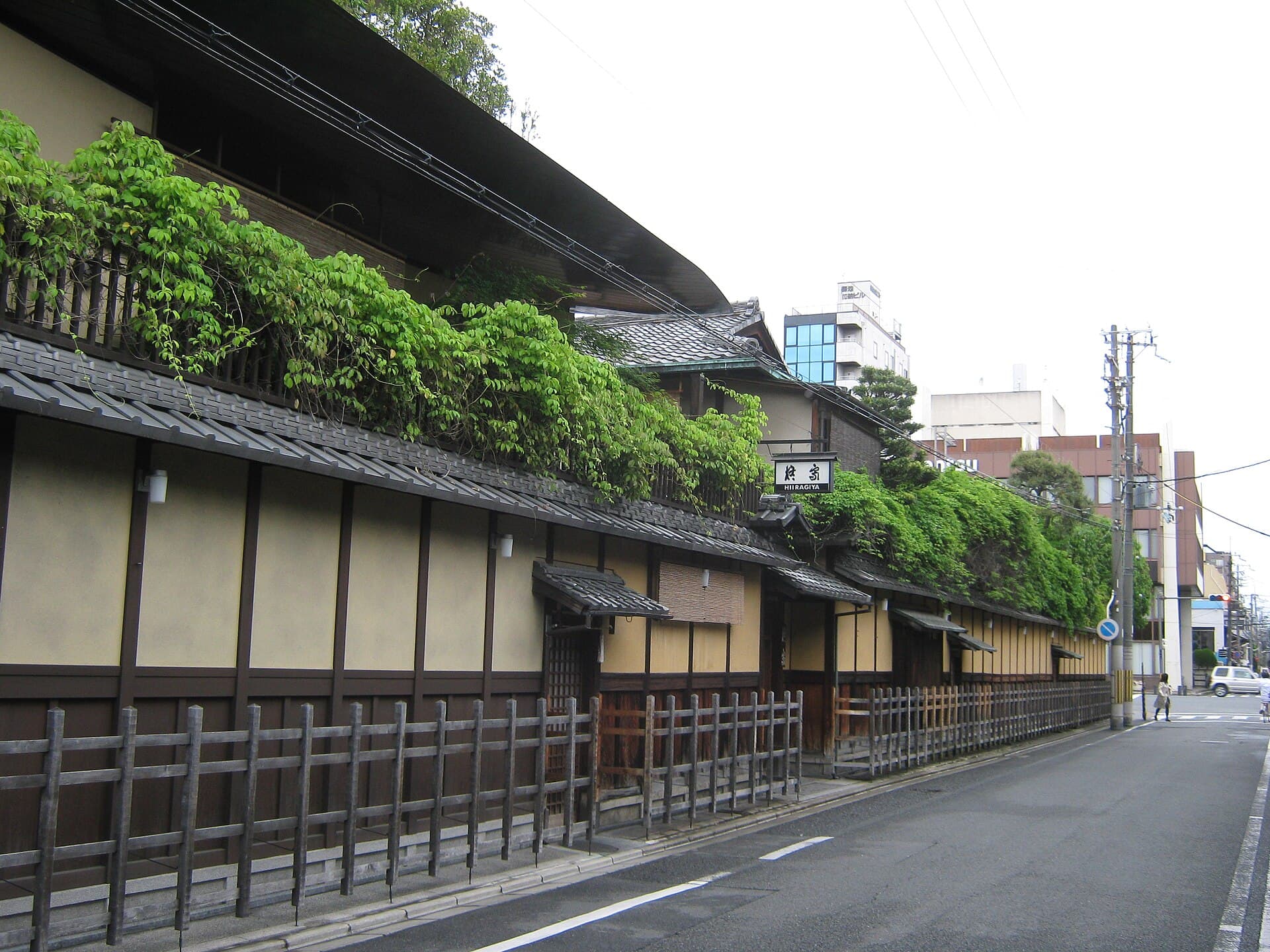
KyotoLuxury
Fuyacho-Anekoji, Nakagyo, Kyoto — in the city centre, a short walk from Kyoto City Hall
8 sources
Hiiragiya
柊家
Kyoto's 1818 inn of writers and film stars — near-flawless service and kaiseki, koyamaki-wood baths, and no hot spring
- Historic Ryokan
- Destination Dining

Aizu-WakamatsuClassic
Higashiyama Onsen, Aizu-Wakamatsu, Fukushima — a wooden inn beside the Yukawa river, a minute from the Higashiyama Onsen bus stop
9 sources
Mukaitaki
会津東山温泉 向瀧
Japan's first registered-heritage inn: a former Aizu clan bath retreat with scalding free-flowing water, free private baths and carp dinners in your room — and a lot of stairs
- Historic Ryokan

Kinosaki OnsenClassic
Yushima, Kinosaki, Toyooka, Hyogo — in the heart of the onsen town, two minutes from Goshonoyu
9 sources
Mikiya
城崎温泉 三木屋
Shiga Naoya's inn, rebuilt in wood in 1927 — some of Kinosaki's warmest service and two free private baths, though winter crab doesn't always live up to the price
- Historic Ryokan
Photo credits: Hiiragiya — the frontage on Anekoji-dori, Kyoto · Mariemon / CC BY 3.0 / Mukaitaki in the snow, Higashiyama Onsen, Aizu-Wakamatsu · Fumihiko Ueno / CC BY 3.0 / Mikiya — the wooden main building, Kinosaki · Ippukucho / CC BY 3.0
Lamp no Yado Aoni Onsen
Compare rates across trusted booking partners · Affiliate disclosure