Yachi Onsen
谷地温泉
Area photo — not the ryokan itself · The Oirase stream, Towada, Aomori · MaedaAkihiko / CC BY-SA 4.0
A creaky 400-year-old Hakkōda hot-spring inn where a 38°C 'lower spring' bubbles up through the floor of a wooden tub — loved for the water, the stars and the cheerful staff, if you can live with shared toilets, no air conditioning and no phone signal
Yachi Onsen sells itself as one of Japan's 'three secret hot springs', and it is genuinely remote: a single inn in the Hakkōda mountains with no mobile signal, its own generator and no shop for miles. People come for two waters in one hiba-wood bathhouse: the shitanoyu, a nearly clear 38°C sulphur spring that bubbles up straight through the bottom of the tub, and the milky 42°C kaminoyu; the house ritual is half an hour or more in the lukewarm one, then a few minutes in the hot one. Baths are open to overnight guests 24 hours a day apart from an hour of cleaning. Four independent stay blogs (November 2022, June 2023, January–February 2025 and March 2025) and recent booking reviews tell a consistent story. Japanese guests rate it 4.6 across 240 reviews on Jalan (bath 4.8, service 4.9, but rooms 3.8) and 4.47 across 353 on Rakuten Travel, and 2026 reviewers keep naming the same things: the water, the brisk and cheerful okami and staff, grilled iwana char from the inn's own tanks, starry skies and Shima-chan, the inn's cat. The catches are just as consistent: a Shōwa-era wooden building where neighbours' voices and footsteps carry, shared toilets and washbasins in every room but one, no air conditioning, bugs in summer and autumn, thin futons, plain breakfasts and a bathhouse with no showers and few amenities. The bubbling tub is on the men's side; women get it only from 17:30 to 20:30. Two-meal plans reviewed in 2026 cost about ¥16,000–27,000 per person.
Room Selection Guide
What the guests who stayed here actually recommendRecommended
East Wing (Higashi-kan) 8-tatami rooms, or the Genji-no-ma
The inn itself says the East Wing is newer and quieter than the wooden main building, with mostly one- or two-person 8-tatami rooms on futons; a guest who stayed in one in September 2026 gave the inn top marks on Rakuten. The 10-tatami Genji-no-ma (up to three people) is the only room with its own toilet and washbasin; the inn says the novelist Setouchi Jakuchō wrote volume nine of a modern Tale of Genji translation there. Bloggers stayed in it in January–February 2025 and March 2025. The March 2025 blogger got about 25% off in a Rakuten sale and also mentioned a fridge in the room.
Main building (Honkan) Japanese rooms with beds
The cheapest option, in the original wooden building, with 6-tatami single rooms (10.9㎡) and 10- and 12-tatami rooms, all with low beds on tatami. A June 2023 solo blogger found room 26 (6 tatami, bed, TV, safe, gas fan heater) comfortable despite its age. A July 2026 solo guest found a one-person room small but fine for sleeping, and one October 2026 guest who struggled with thin futons recommended a room with a bed.
Request To Avoid
Main-building rooms if you sleep lightly, and any room far from the bathhouse
The inn warns that sound carries through the wooden main building, and an October 2026 guest heard neighbours talking and footsteps from upstairs. No room has air conditioning: an August 2026 guest found it hot until evening but chilly at night, and a September 2026 guest wished for a fan, because insects stop you opening the windows. A March 2025 blogger taped up about ten stink bugs in the room. There is no lift, the stairs are steep and polished (one blogger was afraid of slipping), and an August 2026 family found their room a long way from the dining room and baths for an older relative. Fridges are shared, on each floor.
Know which room you want?
Check live rates and availability for Yachi Onsen.
We may earn a commission if you book through these links, at no extra cost to you. Affiliate disclosure
Dining Deep Dive
Breakfast Consensus
3.9/5A simple Japanese set breakfast in the Bunashizuku dining room, 7:00–8:30 (onsen egg, grated yam, hijiki, salmon, fuki miso and miso soup in January 2025, with coffee for ¥300). Most reviewers call it fine but plain; several gave it 3 out of 5 on Jalan, and one 2026 guest found it a little short on side dishes.
Book the free shuttle at least seven days ahead by phone: one run a day, from Aomori (13:30) and Shin-Aomori (13:45) from April 1 to November 18, and from Hachinohe (13:45) from November 19 to March 31, reaching the inn around 15:00. It is limited to one suitcase per person, and the morning run back left at 9:30 in 2025. Buy snacks and drinks first: there are no vending machines and the nearest convenience store is about 35 minutes away by car. Arrive after 15:00, when day bathers have left.
Dinner Insights
4.4/5Country cooking built around iwana char, farmed in Shingō village and kept alive in tanks by the car park. It's usually grilled with salt, and 2026 reviewers keep calling it plump and delicious. Upgraded plans add sashimi and tempura, and the 'Iwana gozen' plan serves three fish' worth. A June 2023 blogger on the upgraded plan got vinegared mountain greens, saba, chawanmushi, char sashimi, grilled char, a duck hotpot, beef steak and char tempura, and could barely finish. Rice is self-serve with free refills, and guests single out how good the rice and the spring water are. There are Aomori sake sets (Denshu, Hōhai and Shichiriki in July 2026) and Aomori-style kaiyaki (cooked in a shell) to order. Dinner starts between 18:00 and 19:00 and the room closes at 20:00; à la carte dishes must be ordered the day before. Complaints: one October 2026 guest found the portions small with no hotpot, and a March 2025 blogger found the pork hotpot fatty.
Onsen & Wellness Realities
Two springs, free-flowing according to the inn: the shitanoyu ('lower spring'), a colourless simple sulphur spring (hydrogen-sulphide type, weakly acidic) at about 38°C that rises straight through the bottom of the tub, and the kaminoyu ('upper spring'), a simple spring at 42°C turned milky by sulphur flakes, which a 2023 blogger says is piped from a short distance away. A small tub of a separate 36°C spring by the entrance is used for rinsing before you get in. A September 2026 guest wrote that it is 'truly free-flowing, no pretence'.
Separate men's and women's indoor baths in a hiba-wood bathhouse. There is no outdoor bath and photography is not allowed. The bubbling lower-spring tub is on the men's side; women staying overnight get that bath to themselves from 17:30 to 20:30 (one 2026 guest called this a highlight). Overnight guests can bathe 24 hours a day except for cleaning from 9:00 to 10:00, while day visitors (¥800) come from 10:00 to 15:00. Bloggers often had the bath to themselves. The practical gaps: no showers, separate hot and cold taps, only four washing spots on the men's side, rusty valuables lockers, two hairdryers per side and none in rooms, and no cotton buds or tissues. Part of the building was being repaired after snow damage in 2023 and 2025, and an August 2026 guest could see construction from the bath.
No policy found on the official site, its FAQ or Japanese booking sites — contact the inn.
Local Warnings & Nuances
- 01
Open year-round, but closed on the third Tuesday of each month and on several three- or four-day blocks in winter (in 2025–26: November 24–26, December 10–12, January 12–15 and February 2–5). Check the opening calendar on the official site before booking. In winter, day bathing is closed on Tuesdays, Wednesdays and Thursdays from November to April.
- 02
Winter access: Route 103 from Sukayu on the Aomori side closes in winter, so the shuttle runs from Hachinohe instead (about 90 minutes in January 2025). The inn says snow here reaches five metres, more than at Sukayu. Drivers should check the Aomori road-closure information first.
- 03
No mobile signal anywhere. Free Wi-Fi is officially at the front desk, lobby and parts of the restaurant, though bloggers in 2023 and 2025 connected in their rooms — though one 2026 guest found the Wi-Fi down as well. Power comes from the inn's own generator.
- 04
Not barrier-free: the inn has two storeys, no lift and steps throughout, including in the baths. Toilets and washbasins are shared except in the Genji-no-ma, amenities are minimal (a toothbrush) and the whole building is non-smoking.
- 05
Check-in 15:00–17:00 (call the inn if you will arrive later), check-out 10:00. Cancellation is 20% from seven days before and 100% on the day. Mention allergies five days ahead. Lunch is served only on weekends, by reservation.
Sources
The real blog posts and stay reports this article draws on
- 谷地温泉 (ひとり旅日記, Ameba — stay June 2023)
- 青森・谷地温泉から 盛岡めぐって (4travel — stay November 2022)
- 冬は東北の温泉が最高! 日本三秘湯「谷地温泉」宿泊記 (4travel — stay January–February 2025)
- JREBank4割引券とキュンパスで行く冬の青森1/2 秘湯谷地温泉 八食センター 星野リゾート青森屋元湯 (4travel — stay March 2025)
- 谷地温泉のクチコミ・評判一覧 (じゃらんnet)
- 日本三秘湯 谷地温泉 クチコミ・レビュー (楽天トラベル)
- 温泉/日帰り (日本三秘湯 谷地温泉 公式サイト)
- 客室/設備 (日本三秘湯 谷地温泉 公式サイト)
- よくある質問 (日本三秘湯 谷地温泉 公式サイト)
- 休館日のご案内 — 2025年8月26日 (日本三秘湯 谷地温泉 公式サイト)
More Consensus Reports

Oirase & TowadaClassic
Okuse, Towada, Aomori — alone in beech forest on the Hakkoda–Towada road, about 20 minutes by car from the Oirase stream
9 sources
Tsuta Onsen Ryokan
蔦温泉旅館
Hot water that rises through the floorboards under a 1918 wooden inn in the beech forest — superb baths, small dinners, and thin walls in the old wing
- Historic Ryokan
- Secluded Retreats
 Area photo
Kusatsu OnsenClassic
Kusatsu Onsen, Gunma — at the southern entrance to the town, about a 10-minute walk from the Yubatake hot-water field, with a free shuttle from the Kusatsu Onsen bus terminal
10 sources
Kusatsu Onsen Hotel Sakurai
草津温泉 ホテル櫻井
Kusatsu's biggest onsen 'hotel' is really a 179-room ryokan: mostly tatami rooms, a 30-metre bath fed by three free-flowing springs, a live-cooking buffet and a nightly yumomi show — but it's big and busy, and the in-room open-air baths aren't onsen
Read the Consensus Area photo
KyotoLuxury
Nakagyō, central Kyoto — on Tominokōji street south of Rokkaku, about 10 minutes' walk from Shijō subway station and 12 minutes by taxi from Kyoto Station
9 sources
Kanamean Nishitomiya
要庵西富家
An eight-room sukiya inn in the heart of Kyoto where dinner is the point — a Michelin-starred kaiseki kitchen you tour before eating, hinoki baths in every room, and two MICHELIN Keys since 2026 — but it isn't an onsen, the water runs very hot, and old floors carry sound
- Destination Dining
- Historic Ryokan
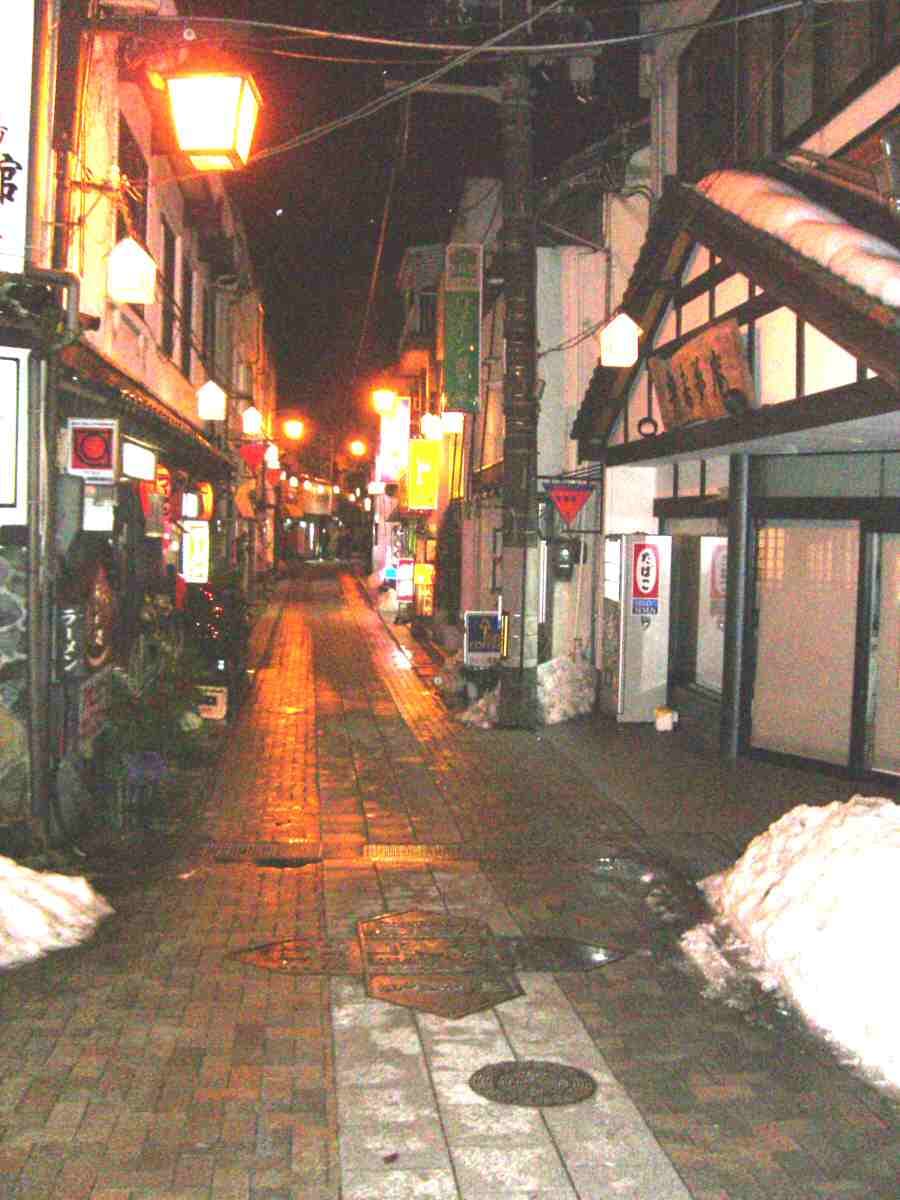 Area photo
Misasa OnsenClassic
Misasa Onsen, Tottori — near the middle of the hot-spring street, backing onto the Mitoku River, about 20 minutes by car from JR Kurayoshi Station (free pickup if you book it)
9 sources
Misasa Onsen Kiya Ryokan
三朝温泉 木屋旅館
A 14-room wooden inn listed as a cultural property, with its own very hot radium springs — a free private bath where the water bubbles up through the floor, a radon steam room and a warm-floor rest room — but expect stairs, stink bugs and simple, home-style food
- Historic Ryokan
- Private Onsen Rooms

Misasa OnsenClassic
Misasa Onsen, Tottori — a 120-metre wooden inn along the Mitoku river, about 20 minutes by the inn's shuttle from JR Kurayoshi Station
9 sources
Ryokan Ohashi
旅館大橋
A 1932 riverside inn registered as a cultural property, with a half-underground cave bath where radium and thorium water rises through the rock — unforgettable baths, uneven service
- Historic Ryokan
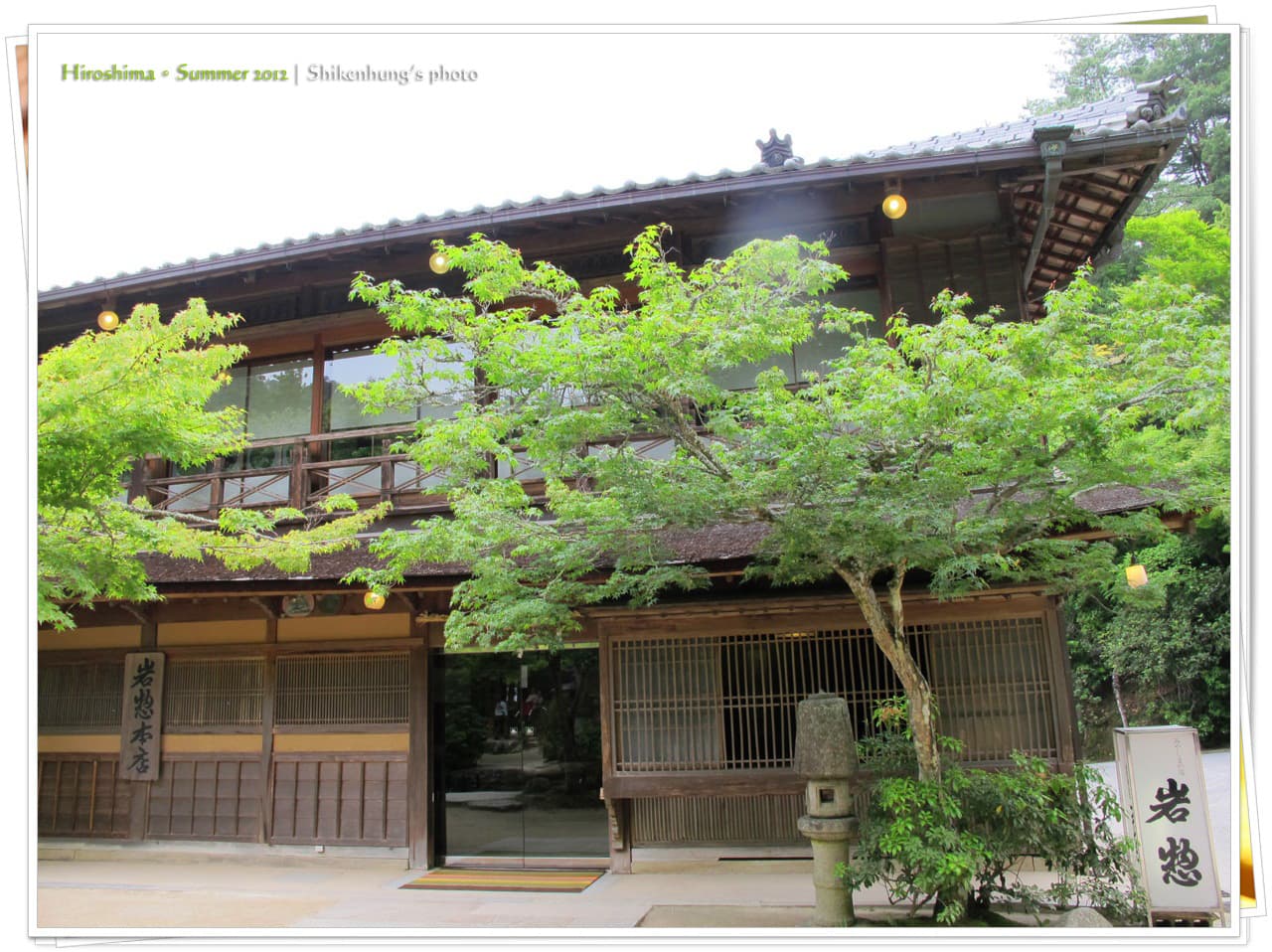
MiyajimaPremium
Momijidani, Miyajima, Hatsukaichi, Hiroshima — in the maple valley a 3-minute walk from Itsukushima Shrine, 15 minutes on foot from the ferry pier
9 sources
Iwaso
みやじまの宿 岩惣
Miyajima's grand old inn since 1854 — the island after the day-trippers leave, historic villas and Hiroshima oysters, but a radon spring that is heated, and service that has thinned
- Historic Ryokan
Photo credits: The facade of Tsuta Onsen Ryokan, Towada · Yuichi Kosio / CC BY 2.0 / Yubatake at night, Kusatsu Onsen, Gunma · Σ64 / CC BY 4.0 / Arashiyama and the Hozu River, Kyoto · KimonBerlin / CC BY-SA 2.0 / The onsen street of Misasa Onsen, Tottori · Miya.m / CC BY-SA 3.0 / Ryokan Ohashi's registered wooden wings on the Mitoku river, Misasa Onsen · Zai零細系統保護協会 / Public domain / The entrance of Iwaso in Momijidani, Miyajima (2011) · Shiken Hung / CC BY-SA 2.0
Yachi Onsen
Compare rates across trusted booking partners · Affiliate disclosure