Notoya Ryokan
銀山温泉 能登屋旅館
Notoya Ryokan in the snow, Ginzan Onsen · さかおり / CC BY-SA 4.0
The towered Taisho-era inn everyone photographs in Ginzan — warm service, a cave bath and a waterfall-view bath, but book a river-side room and expect an audience
Notoya was founded in 1892, and its three-storey wooden main building with a tower, from the 1920s, is the image of Ginzan Onsen — a Registered Tangible Cultural Property since 1997, with its original Taisho staircase, a 1932 plaster relief and a lounge inside the tower. Japanese guests adore the service: it averages 4.8 across 72 reviews on one major booking site, with 4.9 for service, and reviewers mention the senior okami, a kitchen that swapped carp for nodoguro when asked, and red coats lent for winter walks. Baths are varied rather than grand: compact, hot large baths with outdoor tubs, a free private cave bath (just flip the sign and lock the door), and a hilltop bath facing the Shirogane waterfall — 85 steps up, closed in the snow season, and closed from October 2025 after bear sightings. Dinner is a private-room kaiseki of Obanazawa beef, duck and local dishes such as carp simmered in sweet soy. The drawbacks come with fame: people photograph the inn late into the night, and river-side guests feel watched; annex and single rooms may have no view at all; stink bugs appear in autumn; the in-room baths are plain tap water; and the menu barely changes between visits.
Room Selection Guide
What the guests who stayed here actually recommendRecommended
Main-building river-side rooms (e.g. Kobushi, Benibana, Rindo)
The rooms that look straight onto Ginzan's lamp-lit street and river. Guests in Kobushi (7.5 tatami) and the two-room Benibana loved them in 2022; Rindo is a corner Japanese-Western room with beds, where a family of three paid ¥66,300 with two meals on a pre-holiday night in 2022.
Annex rooms (e.g. Asagiri, Katakuri)
Quieter and high-ceilinged, with a washlet toilet and stable Wi-Fi; an onsen writer stayed in Asagiri twice. Note the view: a May 2024 guest in the annex saw 'only the green hill behind'.
Request To Avoid
River-side rooms, if you value privacy
Visitors photograph Notoya 'non-stop' and late into the night, and an April 2026 guest at a river-side window felt they were drawing a lot of attention. Keep the curtains in mind.
The main-building single room (Kajika) and mountain-side rooms
A 2024 solo guest in Kajika, a single not normally sold, found 'no view at all' and struggled with stink bugs in the room. In-room baths, where there are any, are plain tap water rather than onsen.
Know which room you want?
Check live rates and availability for Notoya Ryokan.
We may earn a commission if you book through these links, at no extra cost to you. Affiliate disclosure
Dining Deep Dive
Breakfast Consensus
4.3/5Tofu from the local Nogawa tofu shop, daikon rice and coffee afterwards in the tower lounge
Take the night walk from 20:00 once the day-trippers thin out — Ginzan is packed by day and quiet at night — and on Saturdays catch the 20:00 hanagasa dance and raffle. Guests also get tickets for the Shirogane-yu public bath.
Dinner Insights
4.3/5Kaiseki at 18:00 or 18:30 in a private room, built around Obanazawa beef and duck — one blogger had Obanazawa beef and Yonezawa pork shabu-shabu, another imoni stew. Regulars mention carp simmered in sweet soy, Takigawa tofu and crab tofu, and the okami's own sake. The kitchen will swap dishes on request, but can't cater for vegetarian, vegan or severe-allergy diets. An onsen writer found the menu 'almost unchanged' between visits, and a 2022 guest could hear the next dining room clearly.
Onsen & Wellness Realities
A sulphurous sodium-chloride-sulphate spring, about 60°C at source, used without added water or heating according to the Japan Hitou Association. Bloggers disagree on whether the cave bath uses the inn's own spring or the shared town supply.
Separate men's and women's baths, each with an outdoor tub — 'relatively compact' and hot. The original cave bath is a free private bath (flip the sign, lock the door), though heat builds up inside. The hilltop viewing bath faces the Shirogane waterfall, is booked in roughly 40-minute slots, is 85 steps up from the annex (hard on bad knees), closes from about December to April for snow, and was closed from October 2025 because of bear sightings — check before you go.
No policy on the official site or Japanese booking pages. A third-party tattoo guide lists the public baths as not allowed and the private bath as available — unverified; ask the inn.
Local Warnings & Nuances
- 01
Getting there: the inn's shuttle from Ōishida Station (reserve by the day before; pickups around 13:40 and 15:45, returns 8:30 and 10:20, about 40 minutes), then a 3-minute walk because buses can't enter the street. Parking for 15 cars. Check-in 14:00, check-out 10:30.
- 02
Winter: the road into Ginzan closes to general traffic in the evenings and early mornings from December to March, but guests with an inn booking are exempt; day-visitor entry restrictions are planned again from December 2026 to early March 2027.
- 03
The inn does not accept solo travellers or day bathers, and takes no phone or email reservations.
- 04
Stink bugs are a recurring autumn complaint, and one August 2026 guest noticed a strong tobacco smell at the ground-floor front desk.
- 05
Both buildings have lifts, but some rooms still need stairs and the inn is not wheelchair-accessible.
Sources
The real blog posts and stay reports this article draws on
- 銀山温泉能登屋旅館宿泊記|銀山温泉のシンボル的存在な登録有形文化財の宿 (植竹深雪)
- 銀山温泉・能登屋旅館宿泊記|大正ロマンの温泉街と食べ歩き散策 (旅ログ)
- 【詳細解説ブログ】山形県 銀山温泉♨能登屋旅館 (TRAVEL CAMPER)
- 山形銀山温泉(能登屋旅館宿泊) (4travel.jp, by やす)
- 私の温泉宿100選*****銀山温泉・能登屋旅館(山形県) (4travel.jp, by yakkunn)
- 憧れの銀山温泉能登屋旅館川側の部屋に宿泊 (4travel.jp, by ポコ)
- 銀山温泉「能登屋旅館」宿泊記・雪の銀山温泉を訪ねて (ハピタス たびハピ)
- 能登屋旅館 クチコミ (じゃらんnet)
- 能登屋旅館 (日本秘湯を守る会)
- 山形県銀山温泉 能登屋旅館 (公式サイト)
More Consensus Reports

Ginzan OnsenPremium
Ginzan Onsen, Obanazawa, Yamagata
6 sources
Ginzan Onsen Fujiya
銀山温泉 藤屋
Kengo Kuma's eight-room inn in the heart of Ginzan — five private onsen baths, and a design that sometimes forgets practicality
- Design-Led
KyotoLuxury
Fuyacho-Anekoji, Nakagyo, Kyoto — in the city centre, a short walk from Kyoto City Hall
8 sources
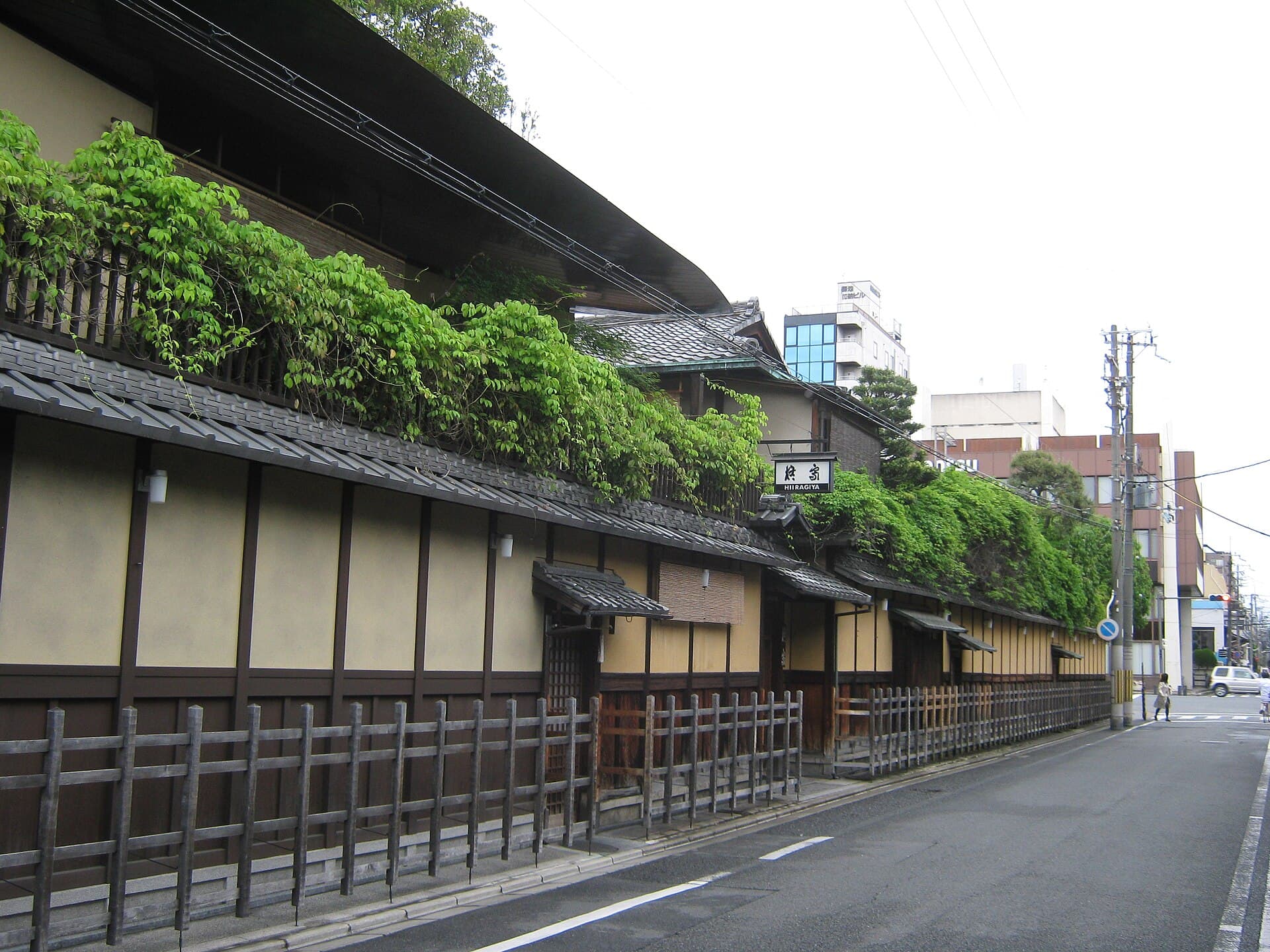
Hiiragiya
柊家
Kyoto's 1818 inn of writers and film stars — near-flawless service and kaiseki, koyamaki-wood baths, and no hot spring
- Historic Ryokan
- Destination Dining

Aizu-WakamatsuClassic
Higashiyama Onsen, Aizu-Wakamatsu, Fukushima — a wooden inn beside the Yukawa river, a minute from the Higashiyama Onsen bus stop
9 sources
Mukaitaki
会津東山温泉 向瀧
Japan's first registered-heritage inn: a former Aizu clan bath retreat with scalding free-flowing water, free private baths and carp dinners in your room — and a lot of stairs
- Historic Ryokan
Photo credits: Ginzan Onsen Fujiya — the facade, Ginzan Onsen · bryan... / CC BY-SA 2.0 / Hiiragiya — the frontage on Anekoji-dori, Kyoto · Mariemon / CC BY 3.0 / Mukaitaki in the snow, Higashiyama Onsen, Aizu-Wakamatsu · Fumihiko Ueno / CC BY 3.0
Notoya Ryokan
Compare rates across trusted booking partners · Affiliate disclosure