Ryokan in Aizu-Wakamatsu
What Japanese guests say about ryokan in Aizu-Wakamatsu: which room to book, what the baths are really like, and what to watch out for.
3 ryokan
All three reviewed inns are at Higashiyama Onsen in Aizu-Wakamatsu, Fukushima, beside the Yukawa river, and all are on the city loop bus from Aizu-Wakamatsu Station; Mukaitaki and Shintaki run no shuttle and say every one of their baths is free-flowing Higashiyama spring water. Mukaitaki began as Kitsune-yu, a bath retreat of the Aizu domain, has been run by the Hirata family as an inn since 1873 and in 1996 became the first property registered under Japan's tangible cultural property system; from mid-December to February its courtyard glows with snow candles. Kutsurogijuku Shintaki is a much bigger riverside inn of about 90 rooms, a 3-minute walk from the Higashiyama Onsen-eki bus stop, built around Sennen-no-yu, a rock bath over spring-fed bedrock that the inn says was once the Aizu lords' bath. Shosuke no Yado Takinoyu, a big riverside house of about 50 rooms at the entrance to the spa town, stands beside Fushimi-ga-taki falls, where, the inn says, the monk Gyōki found the spring about 1,300 years ago; it runs one free shuttle a day from the station, at 18:00, and the bus stops at its door.
Mukaitaki (classic) suits anyone who wants a heritage inn and serious water: its own spring, rising on the premises with no heating or added water, fills the scalding Kitsune-yu (44–45°C, no taps), the gentler Saru-no-yu and three private baths that are free with no booking, and both meals come to your room — sweet-simmered carp, kozuyu soup, herring pickled with sansho — from about ¥27,850 per person, or about ¥31,150 for a room with its own onsen bath. Expect stairs everywhere with no barrier-free access, a 10:00 check-out, pricey drinks and stink bugs in winter, and note that the 'Hotel Mukaitaki' on Agoda is a different inn. Kutsurogijuku Shintaki (value) suits those who want good water at a fair price and don't mind a big, lively house: four free-flowing baths, a free lounge pouring coffee, amazake and local sake until 22:00, a creative Aizu dinner of horse sashimi, yuba and kozuyu in a dining room, riverside twin rooms, adults-only rooms with a semi-open-air bath and an 11:00 check-out, mostly ¥16,000–23,000 per person with two meals in 2026. The corridors are dim, Sennen-no-yu is 27 steep steps down, private-bath slots cost ¥1,500, tattoos are barred from the shared baths, and 2024–2026 guests mention a distant overflow car park, a billing error and a bath tax payable only in cash. Shosuke no Yado Takinoyu (classic), mostly ¥14,000–24,000 per person with two meals, is the pick for scenery and extras: open-air baths right beside the floodlit falls, seven private baths (45 minutes from ¥3,000 unless your plan includes one), free matcha, beer and soft-serve, a nightly projection show across the river, an Aizu kaiseki of carp, horse sashimi and kozuyu, and freshly pounded mochi at breakfast. Unlike the other two, its water is only partly free-flowing: sources below 42°C are heated and the hotter tubs mix in recirculated, filtered water, though the hinoki and hiba tubs are 100% free-flowing. In 2026, guests on cheap 'leave it to us' plans got rooms by the dining hall or with only a shower booth, others reported musty or drain smells, there are steps everywhere and car parks 100–300 m away, and tattoos are barred from the shared baths.
Compare at a glance
| Ryokan | Area | Price | Overall Score | Cuisine | Onsen Privacy |
|---|---|---|---|---|---|
| Mukaitaki | Aizu-Wakamatsu | Classic | 4.7 | 4.5 | 4.4 |
| Kutsurogijuku Shintaki | Aizu-Wakamatsu | Value | 4.3 | 4.3 | 3.8 |
| Shosuke no Yado Takinoyu | Aizu-Wakamatsu | Classic | 4.2 | 4.2 | 3.8 |

Aizu-WakamatsuClassic
Higashiyama Onsen, Aizu-Wakamatsu, Fukushima — a wooden inn beside the Yukawa river, a minute from the Higashiyama Onsen bus stop
12 sources
Mukaitaki
会津東山温泉 向瀧
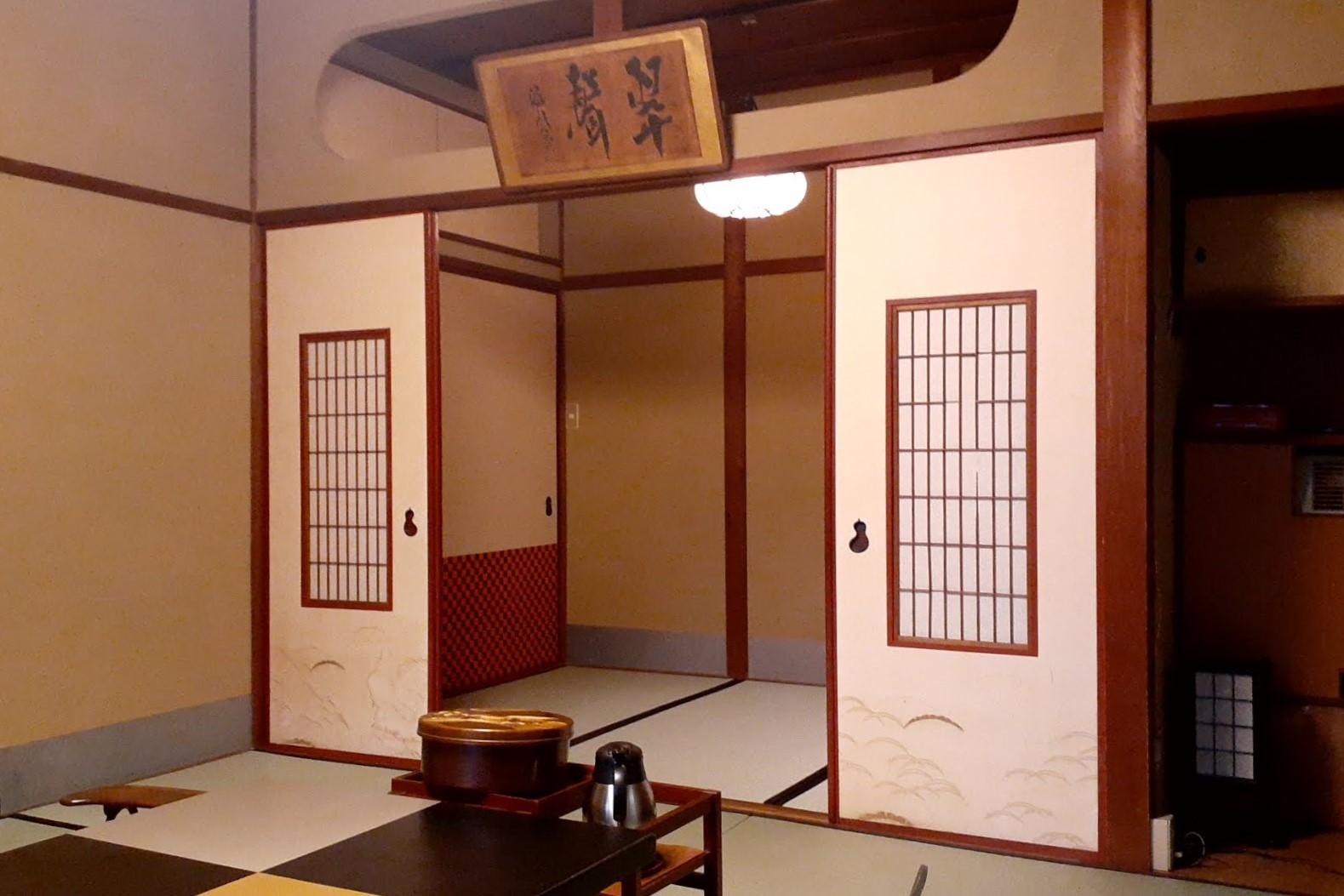
Japan's first registered-heritage inn: a former Aizu clan bath retreat with scalding free-flowing water, free private baths and carp dinners in your room — and a lot of stairs
- Historic Ryokan
Area photoAizu-WakamatsuValue
Higashiyama Onsen, Aizu-Wakamatsu, Fukushima — across a bridge on the Yukawa river, a 3-minute walk up the onsen street from the Higashiyama Onsen-eki bus stop
13 sources
Kutsurogijuku Shintaki
会津東山温泉 くつろぎ宿 新滝
A big, well-run riverside inn with four truly free-flowing baths — including the Aizu lords' rock bath fed from the bedrock beneath it — free sake in the lounge and Aizu-style dinners at a fair price; it's busy, dim and full of stairs, and private baths cost extra
- Historic Ryokan
Area photoAizu-WakamatsuClassic
Higashiyama Onsen, Aizu-Wakamatsu, Fukushima — strung along the Yugawa stream beside Fushimi-ga-taki falls at the entrance to the spa town, about 10 minutes by car from central Aizu-Wakamatsu, with the 'Takinoyu-mae' bus stop at the door
10 sources
Shosuke no Yado Takinoyu
会津東山温泉 庄助の宿 瀧の湯
A big riverside inn on the spot where Higashiyama Onsen began, with open-air baths beside a floodlit waterfall, seven private baths and famous breakfast mochi — but the cheaper rooms are cramped, the building is full of steps, and 2026 reviews flag smells and patchy upkeep
Read the ConsensusWe may earn a commission if you book through these links, at no extra cost to you. Affiliate disclosure
Photo credits
- Cherry blossom at Tsuruga Castle, Aizu-Wakamatsu, Fukushima · SQZ / CC BY 4.0
- Mukaitaki in the snow, Higashiyama Onsen, Aizu-Wakamatsu · Fumihiko Ueno / CC BY 3.0