A Meiji-era wooden inn where Soseki and Kawabata stayed — in-room kaiseki, a giant round pine bath, no tattoo rules, and shared toilets down the corridor
Fukuzumiro opened in Tonosawa in 1890 and, after a 1910 flood swept away its first building, moved into an even older wooden inn 200 metres downstream. Today it is a rambling three-storey timber building of 17 rooms, each laid out differently, registered as a Tangible Cultural Property and listed among the 20th-century heritage sites of Hakone's great wooden inns. Its guest list includes Fukuzawa Yukichi, Natsume Soseki, Shimazaki Toson and Yasunari Kawabata, who liked Kiri-san because it is out of earshot of the river. Japanese reviewers are devoted: it shows 5.00 across 70 reviews on one major booking site. They love the in-room kaiseki, the unhurried staff, the Omaru-buro — a round tub about two metres across carved from red pine — and the free private baths you sign up for on arrival. Know the trade-offs of a museum-piece inn: only one room has its own bath and toilet, the shared toilets are not separated by gender, there is no lift and the stairs are steep, winter draughts make it cold, the river can be loud, and a few guests mention insects or an ageing feel. Unusually for Japan, the inn states it has no restrictions on tattoos. Weekday prices run from about ¥31,000 to ¥42,000 per person with dinner and breakfast.
Room Selection Guide
What the guests who stayed here actually recommendRecommended
Kiri-san (桐三) — Kawabata's room
About 10 tatami, up a fairly steep staircase, and chosen by Kawabata because you can't hear the river. A solo blogger who is bothered by river noise at night booked it for exactly that reason in November 2022.
Sakura-ni (桜二) — the only room with its own bath and toilet
The special room has a private reclining bath and toilet — worth the extra (about ¥41,950 per person on weekdays) if shared facilities or night-time corridor trips are a concern. Other rooms are river-side (about ¥33,150) or garden-side (about ¥30,950).
Request To Avoid
River-side rooms, if you are a light sleeper
Several guests found the Hayakawa louder than expected, especially after heavy rain or a typhoon; bring earplugs, or ask for a garden-side room. One older review also mentions traffic noise from Route 1.
Any room except Sakura-ni, for elderly guests or small children
Rooms have no toilet or sink, the shared toilets are not split by gender, there is no lift and the stairs are steep. Reviewers say it is hard for elderly guests, and one parent felt it did not suit small children.
Know which room you want?
Check live rates and availability for Fukuzumiro.
We may earn a commission if you book through these links, at no extra cost to you. Affiliate disclosure
Dining Deep Dive
Breakfast Consensus
4.4/5A Japanese breakfast served in your room at 8:00 or 8:30 — grilled horse mackerel, simmered tofu and similar homestyle dishes
Sign up for the private baths as soon as you arrive: guests write their names on a sheet for an evening slot and a morning slot, and after 22:00 any empty private bath is free to use.
Dinner Insights
4.4/5Every meal is served in your room, in several courses, from 18:00 — so guests on dinner plans must check in by 18:00. Bloggers describe sashimi, pork sukiyaki, Spanish mackerel grilled yuan-style, fugu karaage and, on another stay, abalone and shabu-shabu; one found drinks remarkably cheap. Vegetarian and allergy requests are handled, but one pregnant guest was still served raw egg — confirm dietary needs on arrival.
Onsen & Wellness Realities
Yumoto No. 37 spring, an alkaline simple spring (62.9°C, pH 8.9, per the inn). It is cooled with natural spring water and flows continuously; a blogger reports no reheating, recirculation or disinfection.
Two main baths swap at 19:00: the Omaru-buro (a round red-pine tub about two metres across, fits around four) and the Iwa-buro (rock bath, fits around eight). Three small private baths — Komaru-buro, a family bath and a reclining bath — are free. There is no outdoor bath, all baths close 9:30–15:00 for cleaning, and one guest found the rock bath too hot.
The inn's FAQ states there are no restrictions on tattoos.
Local Warnings & Nuances
- 01
Getting there: about 15 minutes' walk from Hakone-Yumoto Station, or a short ride on the inn's guest shuttle (¥100–200 one way, sources differ). From Tonosawa Station it is about 5 minutes on foot, with steep steps. Parking for 6 cars.
- 02
Check-in is at 15:00; third-party sites give check-out as 10:00. Futons only — no beds or cots.
- 03
Winter is draughty and cold, several guests warn; one 2021 guest also found a lot of insects, including in the main bath.
- 04
The inn is not entirely non-smoking; rooms are deodorised on request, and one 2022 guest disliked the deodoriser smell.
- 05
Don't confuse it with Bansuiro Fukuzumi, a different inn in Hakone-Yumoto.
Sources
The real blog posts and stay reports this article draws on
More Consensus Reports

HakonePremium
Gora, Hakone, Kanagawa
7 sources
Gora Kadan
強羅花壇
A FORMER IMPERIAL VILLA WHERE THE ROOM TIER YOU BOOK CHANGES THE VERDICT ENTIRELY
- Private Onsen Rooms
- Historic Ryokan
KyotoLuxury
Fuyacho-Anekoji, Nakagyo, Kyoto — in the city centre, a short walk from Kyoto City Hall
8 sources
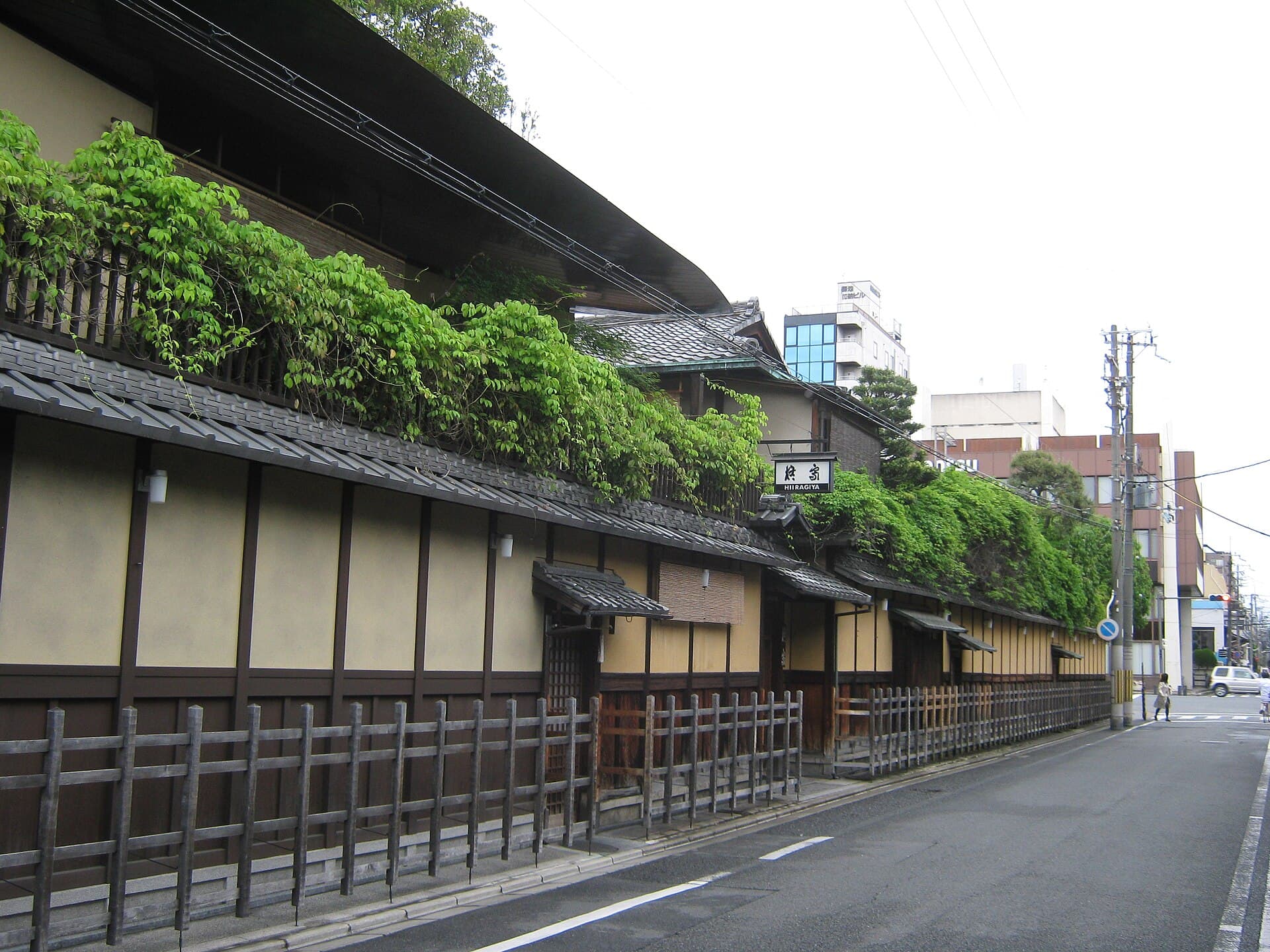
Hiiragiya
柊家
Kyoto's 1818 inn of writers and film stars — near-flawless service and kaiseki, koyamaki-wood baths, and no hot spring
- Historic Ryokan
- Destination Dining

Aizu-WakamatsuClassic
Higashiyama Onsen, Aizu-Wakamatsu, Fukushima — a wooden inn beside the Yukawa river, a minute from the Higashiyama Onsen bus stop
9 sources
Mukaitaki
会津東山温泉 向瀧
Japan's first registered-heritage inn: a former Aizu clan bath retreat with scalding free-flowing water, free private baths and carp dinners in your room — and a lot of stairs
- Historic Ryokan
Photo credits: Gora Kadan — the former Kan'in-no-miya imperial villa, Hakone · 663highland / CC BY 2.5 / Hiiragiya — the frontage on Anekoji-dori, Kyoto · Mariemon / CC BY 3.0 / Mukaitaki in the snow, Higashiyama Onsen, Aizu-Wakamatsu · Fumihiko Ueno / CC BY 3.0
Fukuzumiro
Compare rates across trusted booking partners · Affiliate disclosure