Hakone souvenirs: yosegi marquetry, Owakudani black eggs, yumochi and where to buy them
What to buy in Hakone: yosegi marquetry and secret boxes, Owakudani black eggs, yumochi, onsen manju and Odawara kamaboko, and where each is sold.
Updated Nov 4, 2026
Hakone is the hot-spring town in the mountains of western Kanagawa, about 90 minutes from Shinjuku to Hakone-Yumoto by Odakyu Romancecar. Most visitors pass through the same few places — the station street in Hakone-Yumoto, the Hakone Tozan Railway up to Miyanoshita and Gora, the ropeway over Owakudani, Lake Ashi — and that is where the souvenir shops are. If you are still choosing where to stay, see our guide to the best ryokan in Hakone.
This guide covers what Hakone itself is known for: yosegi-zaiku, the geometric wood marquetry made here since the Edo period; the black eggs boiled in the Owakudani hot springs, which you can only buy there; yumochi, onsen manju and other sweets from the shops around Hakone-Yumoto Station; the kamaboko, dried fish and pickled plums sold along the same street; and a few things to look for higher up the mountain. Shop details come from the Hakone Town tourism association's listings and the makers' own pages in the sources; hours and prices change, so check before you go. The shopping links are general searches, not recommendations of particular products.
Yosegi-zaiku: Hakone wood marquetry and secret boxes

Yosegi-zaiku is Hakone's signature craft. Hakone Town's yosegi site describes it as wood from many different trees, each with its own natural colour, cut and glued into precise geometric patterns — there are about 60 traditional patterns, and many more once colours and layouts are varied. Two techniques are used: in zuku, a patterned block is shaved into sheets 0.15–0.2 mm thick that are pasted onto small boxes; in muku, the block itself is cut or turned on a lathe into trays, tea caddies, cups and similar pieces. The town notes that wood from the Hakone mountains is now rarely used, because the area became a national park; makers buy wood from elsewhere in Japan and sometimes from abroad.
According to the same site, yosegi-zaiku began in Hatajuku, a post town on the old road over Hakone, in the late Edo period; the himitsu-bako (secret box), which only opens after a sequence of sliding moves, is credited to a Yumoto craftsman in 1894; and Hakone yosegi-zaiku was designated a traditional craft by the national government in 1984.
Where to buy: the town's shop list includes workshops in Hatajuku itself (Hamamatsuya, open daily 9:00–17:30, and Kanazashi Wood Craft, closed Mondays and Wednesdays), the Honma Yosegi Museum in Yumoto, several specialist shops around Moto-Hakone and Hakone-machi on Lake Ashi (among them Ichi-sa, Uchihara, Izumiya and Hakone Maruyama Bussan), and shops in Miyanoshita, Ohiradai and right outside Gora Station. Uchihara, for example, stocks secret boxes, straps and accessories along with work by young craftspeople.
To make your own: Hatajuku Yosegi Kaikan, the Honma Yosegi Museum and Kanazashi Wood Craft run coaster-making classes, and Hakone Maruyama Bussan runs secret-box classes; the town says all of them need booking in advance. Some inns use the craft too: KAI Hakone has yosegi pieces in its rooms and runs a short class where you plane yosegi shavings into a photo frame.
Search in Japanese shops
- Hakone yosegi secret boxesAmazon.co.jpRakuten
- Yosegi coastersAmazon.co.jpRakuten
- Yosegi small boxesAmazon.co.jpRakuten


Rakuten prices as of Nov 4, 2026 — check the shop for current price and stock. Supported by Rakuten Developers Rakuten links are affiliate links: we may earn a commission at no extra cost to you. As an Amazon Associate, OKU earns from qualifying purchases.
 Area photo
HakonePremium
Yumoto-chaya, Hakone-Yumoto Onsen, Hakone — on the old Tōkaidō road above the Sukumo river, about 7 minutes by car or a short local bus ride from Hakone-Yumoto Station
10 sources
KAI Hakone
界 箱根
Hoshino Resorts' Hakone-Yumoto inn, reopened in August 2025 full of yosegi marquetry: every room faces the river, there's a free teahouse and a fun craft class — but the shared bath is a single heated, chlorinated semi-open-air tub, and most rooms have only a shower
- Design-Led
- Easy From Tokyo
Owakudani black eggs: only sold at Owakudani

Kuro-tamago, the black eggs of Owakudani, are ordinary eggs boiled in the volcanic hot-spring ponds: according to Owakudani Kurotamago-kan, minerals from the water stick to the porous shell and turn it black. Local lore says eating one adds seven years to your life — a legend the shop links to the Enmei Jizō statue at Owakudani. They are sold in bags of four for ¥500 (tax included).
This is one souvenir you cannot take home in its original form. Kurotamago-kan says the eggs are sold only at Owakudani — at Owakudani Kurotamago-kan and Gokuraku-chaya — and only on the day they are made, served warm. Eat them there. The shop opens 9:00–16:30 (egg sales until 16:40), hours vary with the season and the eggs can sell out; on busy weekends it recommends coming by ropeway rather than car.
What does travel is the shop's own range of black-egg souvenirs, which it says are sold only at the store: black-egg-shaped manju, baked chocolates and cookies, and quail eggs seasoned with dashi and soy sauce in individual packs, plus goods such as black-egg charms, soaps and face masks made with the hot-spring water. Because these are store-only, there are no online shopping links for this section.
Yumochi, onsen manju and other Hakone-Yumoto sweets

The street in front of Hakone-Yumoto Station is lined with sweet shops, and the town's listings make it easy to pick the classics. Chimoto (Ekimae-dōri branch, 9:00–17:00) is known for yumochi, a soft rice-flour mochi with pieces of yōkan inside, named for its smooth, just-out-of-the-bath texture; the listing gives ¥310 each or ¥1,750 for a box of five, and a use-by period of four days. The same shop sells Hachiri, a monaka filled with red-bean paste shaped like the bells of the old packhorse drivers (use-by five days), and Yogorō Shinobu, a sword-guard-shaped sweet of peanut and sesame wafers with bean paste (four days).
Onsen manju are the other Yumoto staple. Marushima Honten, two minutes' walk from the station, makes brown and white manju fresh every morning, prints the production date on the wrapper and offers samples at the counter; boxes of 10, 16 and 25 are listed. On the same block, Kikukawa Shōten bakes small castella manju filled with white bean paste where you can watch, and sells them fresh from the griddle.
These are fresh sweets with short use-by periods, so buy them near the end of your stay and check the date on the box if you are flying home. Ryokan within walking distance of the station, such as Hakone Yoshiike (about 7 minutes on foot), put these shops within easy reach before or after check-in.
Search in Japanese shops
- Hakone yumochiAmazon.co.jpRakuten
- Hakone onsen manjuAmazon.co.jpRakuten
- Hakone wagashi assortmentsAmazon.co.jpRakuten


Rakuten prices as of Nov 4, 2026 — check the shop for current price and stock. Supported by Rakuten Developers Rakuten links are affiliate links: we may earn a commission at no extra cost to you. As an Amazon Associate, OKU earns from qualifying purchases.
Area photoHakoneClassic
Hakone-Yumoto — across the Hayakawa river from Route 1, a 7-minute walk from Hakone-Yumoto Station (about 85 minutes from Shinjuku by Odakyu Romancecar)
10 sources
Hakone Yumoto Onsen Yoshiike Ryokan
箱根湯本温泉 吉池旅館
A big 64-room inn wrapped around a 33,000㎡ garden that was once a Mitsubishi family villa, with six of its own free-flowing springs, seven minutes' walk from Hakone-Yumoto Station — but some rooms are dated, 'garden-side' doesn't always mean a view, and part of the Sansō wing is under renovation until January 2027
- Private Onsen Rooms
- Historic Ryokan
Kamaboko, dried fish and pickled plums from the station street
Hakone-Yumoto sits just up the line from Odawara, and the station street sells the coast's foods as well as the mountain's. Kikukawa Shōten stocks Odawara kamaboko (fish cake) and dried fish; Marukiya, on the same block, is known for its own additive-free mackerel mirin-boshi and also sells dried fish, local sake and Odawara kamaboko; Take-ichi makes surimi dango — fish paste mixed with burdock, onion and seasonal vegetables — by hand, preparing only what it sells each day.
For something that keeps, Murakami Jirō Shōten, one minute from the station, sells umeboshi (pickled plums) made from Kishu Nankō plums; its 'Aji Pittari' reduced-salt plums are individually wrapped, and the shop says it stocks items in store that it does not sell online. Kamaboko and dried fish are chilled foods — ask the shop how long they keep and whether they need refrigeration before carrying them home or onwards.
You may meet these flavours at breakfast first: Hakone Mikawaya's Japanese breakfast box includes kamaboko and Soga umeboshi.
Search in Japanese shops
- Odawara kamabokoAmazon.co.jpRakuten
- Odawara dried fish setsAmazon.co.jpRakuten
- Individually wrapped umeboshiAmazon.co.jpRakuten


Rakuten prices as of Nov 4, 2026 — check the shop for current price and stock. Supported by Rakuten Developers Rakuten links are affiliate links: we may earn a commission at no extra cost to you. As an Amazon Associate, OKU earns from qualifying purchases.
Area photoHakoneClassic
Kowakudani, Hakone — on the slope above the Hōraien azalea garden, right by the Hōraien bus stop (about 20 minutes by bus from Hakone-Yumoto) and close to Hakone Kowakien Yunessun
10 sources
Hakone Kowakien Mikawaya Ryokan
箱根小涌園 三河屋旅館
The 1883 inn credited with starting Kowakudani Onsen: a cultural-property main building, a 16,000㎡ azalea garden and its own spring — book a room with a private open-air bath, because the bath-less twins, lukewarm water and slow service on busy nights are the recurring complaints
- Historic Ryokan
- Private Onsen Rooms
Up the mountain: Miyanoshita, Gora and Sengokuhara

In Miyanoshita, Watanabe Bakery (founded 1891, a 7-minute walk from Miyanoshita Station) bakes its onsen stew pan — bread filled with stew — after you order. The bakery says its bread is made with Hakone spring water to a recipe meant to taste good the next day too, but it is best eaten soon, so treat it as a snack on the way rather than a gift.
At Gora, the terminus of the Hakone Tozan Railway, three souvenir shops sit by the station: the railway's own Hakone Tozan Meisan shop, which gathers specialities from Odawara to Hakone (10:00–17:00); Kakudaya Bussan, right in front of the station, with sweets and yosegi; and Nakamuraya, also opposite the station, with pickled plums, dried fish and yosegi. Gora Kansuirō is a 3-minute walk from the station.
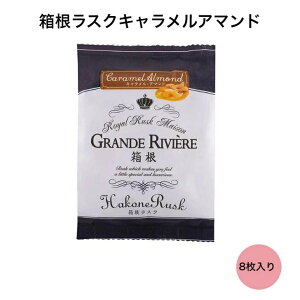
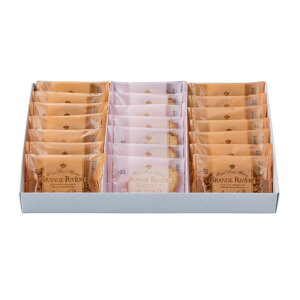
In Sengokuhara, Shōgetsudō, a sweet shop founded in the early Shōwa era by the Sengoku Annaijo bus stop, makes Kintoki-yama manju, named after the folk hero Kintarō, and Yutate manju, named after the local yutate lion dance. Nearby, the Omiyage Kuraichi corner in the Kuraichi ramen shop sells a selection from Hakone, Odawara and the wider Kanagawa and Izu area, including Hakone Rusk from Hakone Grand Riviere.
Search in Japanese shops
- Hakone ruskAmazon.co.jpRakuten
- Hakone sweets gift boxesAmazon.co.jpRakuten

Rakuten prices as of Nov 4, 2026 — check the shop for current price and stock. Supported by Rakuten Developers Rakuten links are affiliate links: we may earn a commission at no extra cost to you. As an Amazon Associate, OKU earns from qualifying purchases.
Area photoHakonePremium
Gora, Hakone — a 3-minute walk from Gora Station, the terminus of the Hakone Tozan Railway, next door to Gora Kadan
11 sources
Gora Kansuiro
強羅環翠楼
A Mitsubishi family's Taishō-era villa where Emperor Shōwa slept, with two private springs, a 5,000-tsubo garden and nine of 14 rooms with their own spring-water bath — but it is genuinely old, and the cheaper rooms show it
- Private Onsen Rooms
- Historic Ryokan
Buying on the way home, sending bags ahead, and ordering later

If you run out of time, Hakone no Ichi, the Hakone Tozan souvenir shop inside Hakone-Yumoto Station, is open 9:00–20:00 every day; it carries Odawara and Hakone limited items, Hakone Tozan Railway goods, and a range of bento for the Romancecar ride home. If your ryokan has a shop, look there too; what each inn stocks varies, so ask at the front desk.
Heavy shopping is easier without luggage. Hakone Town's hands-free travel page lists services that carry bags from the station to your inn and from one Hakone inn to the next, plus coin lockers and staffed luggage counters around the area. For posting food home, packing it for the flight and the rules on bringing food into your own country, see /en/guides/japanese-snacks-and-souvenirs-to-take-home; for having things delivered to your inn in the first place, see /en/guides/ship-to-your-ryokan.
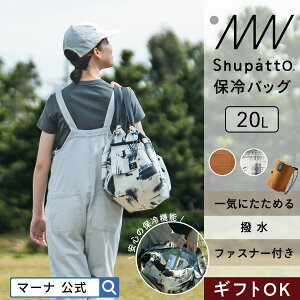
Missed something? Some Hakone makers sell online, and the searches in this guide find yosegi pieces, kamaboko, dried fish and sweets from the area on Amazon.co.jp and Rakuten — check the seller, use-by dates and whether they ship abroad. A folding cool bag helps with chilled foods on the trip home, and bubble wrap protects yosegi corners in a suitcase.
Search in Japanese shops
- Hakone souvenirsAmazon.co.jpRakuten
- Folding cool bagsAmazon.co.jpRakuten
- Bubble wrapAmazon.co.jpRakuten


Rakuten prices as of Nov 4, 2026 — check the shop for current price and stock. Supported by Rakuten Developers Rakuten links are affiliate links: we may earn a commission at no extra cost to you. As an Amazon Associate, OKU earns from qualifying purchases.
We may earn a commission if you book through these links, at no extra cost to you. Affiliate disclosure
Sources
- Hakone Town: YOSEGIZAIKU Hakone yosegi-zaiku (what it is)
- Hakone Town: History of yosegi-zaiku
- Hakone Town: Yosegi-zaiku shops
- Hakone Town: Yosegi-zaiku workshops
- Hakone Town: Hatajuku, home of yosegi
- Owakudani Kurotamago-kan (official site)
- Owakudani Kurotamago-kan: The secret of kuro-tamago (Q&A)
- Owakudani Kurotamago-kan: Original products
- Owakudani Kurotamago-kan: Black-egg goods
- Hakone Town Tourism Association: Chimoto Ekimae-dōri
- Hakone Town Tourism Association: Marushima Honten (onsen manju)
- Hakone Town Tourism Association: Kikukawa Shōten
- Hakone Town Tourism Association: Marukiya
- Hakone Town Tourism Association: Take-ichi
- Hakone Town Tourism Association: Murakami Jirō Shōten
- Hakone Town Tourism Association: Watanabe Bakery
- Hakone Town Tourism Association: Hakone Tozan Meisan Gora
- Hakone Town Tourism Association: Kakudaya Bussan
- Hakone Town Tourism Association: Nakamuraya (Gora)
- Hakone Town Tourism Association: Shōgetsudō
- Hakone Town Tourism Association: Omiyage Kuraichi
- Hakone Town Tourism Association: Hakone no Ichi (Hakone-Yumoto Station)
- Hakone Town Tourism Association: Picot Yumoto Ekimae (Romancecar travel time)
- Hakone Town Tourism Association: Hands-free travel in Hakone
Photo credits
- Hakone Checkpoint Exhibition Hall, Hakone · Daderot / CC0
- Owakudani, Hakone · Joli Rumi / CC BY-SA 4.0
- Hakone-Yumoto, Hakone · Christophe95 / CC BY-SA 4.0
- Gora Station, Hakone · 663highland / CC BY-SA 4.0
- Hakone-Yumoto Station, Hakone · Smiley.toerist / CC BY-SA 4.0
- Gōra Park, Hakone · Daderot / CC0