Houshi
粟津温泉 法師
Hōshi — the entrance and garden pines, Awazu Onsen · 663highland / CC BY-SA 4.0
A family inn said to date back 1,300 years, with a registered Meiji entrance hall and a moss garden laid out in the manner of Kobori Enshu — the history is real, but the buildings are tired and the big baths are recirculated
Houshi traces its founding to 718, when the monk Taichō is said to have found the spring and had his disciple Garyō build an inn to keep it; the head of the family has taken the name Zengorō ever since, and a 47th-generation Zengorō took over in 2025. Guinness once listed it as the world's oldest hotel (another inn now holds the title). The early-Meiji entrance building and the detached Enmeikaku pavilion are registered tangible cultural properties, and the garden — attributed in origin to Kobori Enshu, with a heart-shaped carp pond and a newer section by Sano Tōemon — is a registered place of scenic beauty. Japanese guests rate it 4.2 across 1,887 reviews on one site and 4.08 across 1,753 on another, and praise the garden, the sense of history, generous Kaga kaiseki with nodoguro and, in winter, crab. Expectations need managing, though. The shared baths use the inn's own spring but are recirculated, heated and chlorinated (only rooms with their own onsen get free-flowing water), and the men's and women's baths never swap, with the women's side much smaller. Recent reviews describe draughty corridors, dated bathrooms, insects, a welcome matcha that is now charged on some plans, and long walks between buildings. Standard plans run about ¥13,000–22,000 per person with two meals; special rooms cost far more.
Room Selection Guide
What the guests who stayed here actually recommendRecommended
Shinshun-no-yakata (新春の館) — the registered Meiji entrance building
For history: a 2025 blogger in 'Kōbai', a second-floor corner room of 14 mats plus a bedroom over the garden, slept well on a Simmons bed and found it renovated rather than retro — though the bedroom got fierce afternoon sun through the shoji. Children aren't accepted in this wooden building, because sound carries.
Rooms with their own free-flowing onsen (Hōrai, Yōrō, Chōyō, Chōga, Yoshino)
The only way to get unrecirculated spring water, since the shared baths are filtered and chlorinated. Hōrai is 167.7㎡ with a semi-open-air bath; Yōrō a terrace suite with a stone open-air bath. Guests found Chōyō's tub too hot, Yōrō's outdoor bath only about 50cm deep, and one May 2026 couple paid over ¥60,000 per person in Yoshino at Golden Week.
Request To Avoid
Aki-no-yakata (秋の館) standard rooms, Haru-no-yakata ground floor, and the Tōji wing
The eight-storey Aki-no-yakata is the family-friendly, soundproofed option, but it's the farthest from everything — 'avoid it if your legs are weak or you dislike walking', a 2022 blogger wrote — and its rooms' own baths aren't onsen. Ground-floor Haru-no-yakata rooms are dark and visible from the garden, and 2026 reviewers found narrow toilets and cracked basins. The self-service Tōji wing (from about ¥12,100 with two meals in 2026) is closest to the baths but basic, with a poor view; you lay out your own futon.
Know which room you want?
Check live rates and availability for Houshi.
We may earn a commission if you book through these links, at no extra cost to you. Affiliate disclosure
Dining Deep Dive
Breakfast Consensus
4.0/5Grill-your-own nodoguro and flounder, butterbur miso and rice accompaniments — generous, though a 2022 blogger found it a little plain
Book the private baths (¥3,630 for 50 minutes) at the front desk as soon as you check in — it's first come, first served. Walk the garden loop, about 400m, in the morning light.
Dinner Insights
4.2/5Most plans dine in semi-private booths in the Taichōden dining hall; some special rooms eat in the room. The Kaga kaiseki features local dishes — Kaga bōcha sesame tofu, octopus, nodoguro sushi, duck grilled on a magnolia leaf, abalone and beef shabu-shabu — with winter crab courses and an à-la-carte whole nodoguro (¥4,840) that a 2025 blogger called 'rich and superb'. Volume is the consensus: 'a lot, but nothing memorable', one Golden Week guest said. Complaints include a pork main dish, slow service, staff who didn't understand requests, and a no-meat request refused two days before arrival.
Onsen & Wellness Realities
A sodium sulphate spring (formerly called bōshō-sen) from the inn's own three wells, about 47°C at source. The shared indoor and outdoor baths and the private baths are recirculated, filtered, heated and chlorinated; only guest rooms with their own onsen bath are free-flowing.
Separate men's and women's baths (Hōmei and Enmei), with sauna, cold plunge and a mossy open-air bath with a falling-water shower; they never swap, and one 2026 guest found the women's side far smaller. Hours from September 2026: 15:00–24:00 and 6:00–10:00, with the open-air bath and sauna closed overnight; day visitors 15:00–18:00. The two private baths are indoor. Opinions on the water split — one blogger smelled strong chlorine, another found none in the large bath — and many recent guests found the baths very hot.
No policy on the official site or Japanese booking sites — contact the inn. Rooms with their own onsen avoid sharing.
Local Warnings & Nuances
- 01
Getting there: free shuttle from Kaga Onsen Station (15:00, 16:00, 17:00) and Awazu Station (15:20, 16:20, 17:20) — book by the day before. One guest found the last return shuttle to Kaga Onsen left at 10:30 even on an 11:00 check-out plan. Free parking for 60 cars.
- 02
Check-in 15:00, check-out 10:00 (11:00 on some plans). Dinner must start by 19:00.
- 03
The Enmeikaku pavilion is currently closed to overnight guests for conservation.
- 04
Not barrier-free: long corridors, slopes and steps. Recent reviews also mention draughts in winter, stink bugs and centipedes, and staff communication gaps — alongside plenty of praise for the same staff.
- 05
Awazu itself has many closed hotels, and several 2026 guests found the town run-down.
Sources
The real blog posts and stay reports this article draws on
- 「文化財に泊まりたい。」No.7-1 粟津温泉 北陸最古の宿「法師」 (note, CocoNuts)
- のんびり北陸旅_3|粟津温泉の老舗旅館に湯治プランで宿泊 (note, かぼちゃかべ)
- 世界で二番目に古い旅館【粟津温泉 法師】宿泊記 (温泉にいらっしゃい♪)
- そうだ石川、行こう③ 北陸最古の秘湯老舗旅館『法師』で一泊 (豆はな)
- 【粟津温泉 法師】世界最古の旅館の一つに泊まる (sallowsl)
- 伝承一千三百年 粟津温泉 法師 (4travel.jp)
- 粟津温泉 法師 クチコミ・感想 (楽天トラベル)
- 粟津温泉 伝承一千三百年 法師 クチコミ (じゃらんnet)
- 北陸 粟津温泉 旅館 法師 (公式サイト)
More Consensus Reports
 Area photo
Kaga OnsenPremium
Yamashiro Onsen, Kaga, Ishikawa — at the old source of the spa town, beside the Kosoyu public bath
9 sources
Araya Totoan
山代温泉 あらや滔々庵
The 18th-generation keepers of the lord's bath, Rosanjin's patrons, with Yamashiro's most generous spring flowing into most rooms — and winter crab that can cost over ¥200,000 for two
- Historic Ryokan
- Private Onsen Rooms
Area photoKaga OnsenPremium
Yamashiro Onsen, Kaga, Ishikawa
4 sources
Beniya Mukayu
べにや無何有
A calm, design-led ryokan with an onsen on every terrace and a kitchen that wins Japanese critics over — the layout is where it stumbles
- Private Onsen Rooms
- Destination Dining
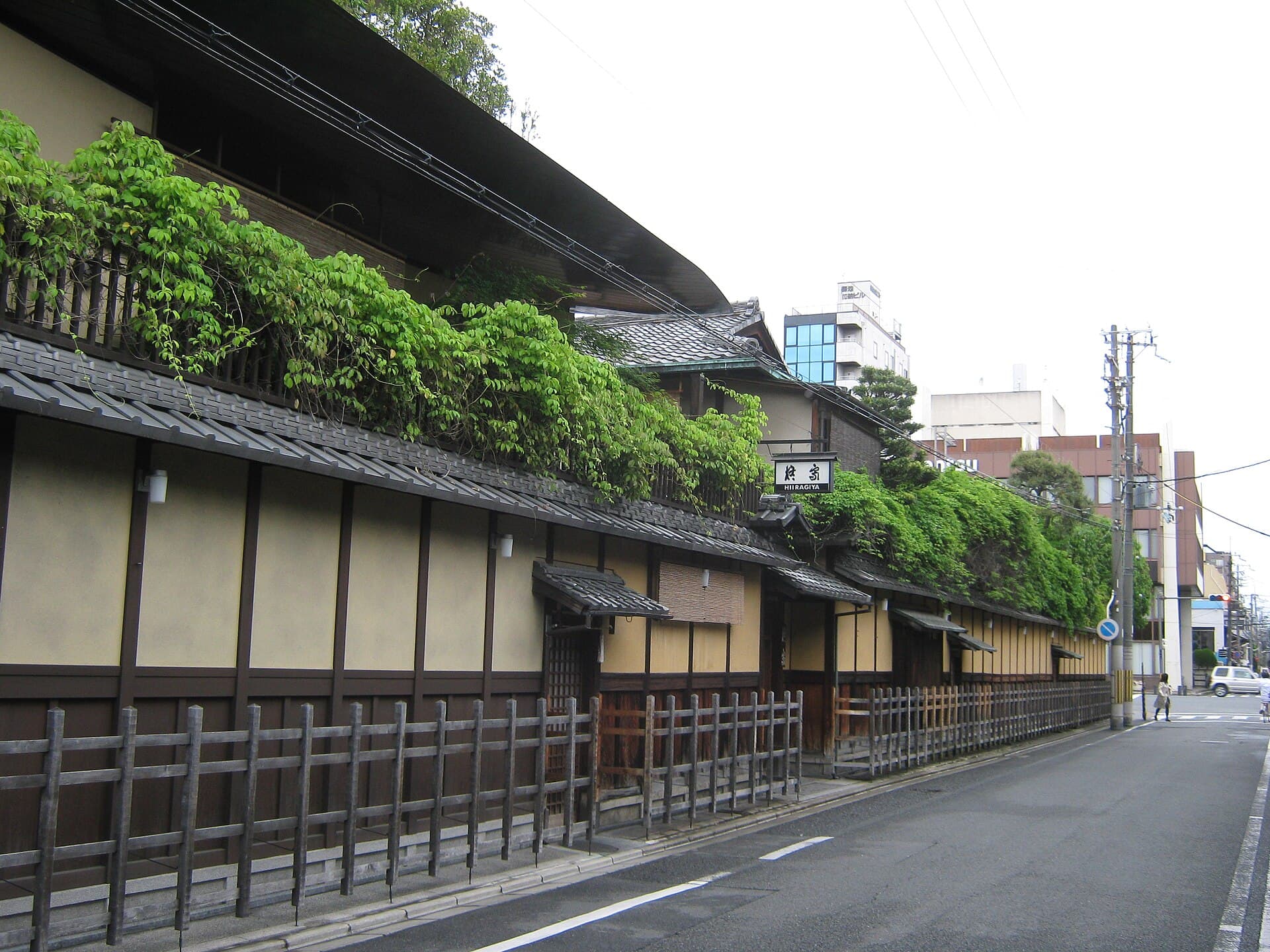
KyotoLuxury
Fuyacho-Anekoji, Nakagyo, Kyoto — in the city centre, a short walk from Kyoto City Hall
8 sources
Hiiragiya
柊家
Kyoto's 1818 inn of writers and film stars — near-flawless service and kaiseki, koyamaki-wood baths, and no hot spring
- Historic Ryokan
- Destination Dining
Photo credits: Sōyu public bath, Yamashiro Onsen · 掬茶 / CC BY-SA 4.0 / Hiiragiya — the frontage on Anekoji-dori, Kyoto · Mariemon / CC BY 3.0
Houshi
Compare rates across trusted booking partners · Affiliate disclosure