Kaga Onsen souvenirs: Yamanaka lacquerware, Kutani porcelain, Kaga bōcha and where to buy them
What to buy in Kaga Onsen: Yamanaka lacquerware, Kutani porcelain, Kaga bōcha roasted stem tea, onsen manju and local sake, and where each is sold.
Updated Nov 6, 2026
Kaga Onsen is the group of hot-spring villages around Kaga city in southern Ishikawa — Yamanaka and Yamashiro, where most of our inns are, plus Katayamazu and, just over the line in Komatsu, Awazu — reached from Kaga Onsen Station on the Hokuriku Shinkansen. Shopping is concentrated in two walkable centres: the Yuge Kaidō street in Yamanaka and the streets around the Sōyu and Kosōyu public baths in Yamashiro. If you are still choosing where to stay, see our guide to the best ryokan in Kaga Onsen.
This guide covers what the area itself is known for: Yamanaka lacquerware, turned from wood on the lathe in Yamanaka for about 400 years; Kutani porcelain, painted in bright overglaze colours and revived in Yamashiro; Kaga bōcha, the roasted tea made from tea stems; the onsen manju, yōkan and other sweets of the two spa towns, Yamashiro's own hot-spring cosmetics, and sake brewed in Yamanaka. Shop details come from the Yamanaka and Yamashiro tourism associations, the Yamanaka lacquerware cooperative and the makers' own pages in the sources; hours and prices change, so check before you go. The shopping links are general searches, not recommendations of particular products.
Yamanaka lacquerware: turned wooden bowls, boxes and tea caddies

Yamanaka-nuri, also called Yamanaka shikki, is lacquerware made in the Yamanaka Onsen district of Kaga. The Yamanaka lacquerware cooperative describes Ishikawa's three lacquer centres as Wajima for lacquering, Kanazawa for maki-e and Yamanaka for the wood itself: Yamanaka has long had many kijishi, the craftspeople who turn bowls and trays on a lathe, and the cooperative says it produces more lathe-turned wooden ware than anywhere else in Japan. Pieces are cut so the grain runs the way the tree grew, which the cooperative says keeps them from warping as they dry and allows very thin walls and close-fitting lids; fine turned lines such as sensuji are cut into the surface as decoration. Ishikawa Prefecture lists Yamanaka lacquerware among its ten crafts designated as traditional crafts by Japan's Minister of Economy, Trade and Industry, and notes its tea utensils with raised maki-e, especially natsume tea caddies.
According to the cooperative, the craft began about 400 years ago, in the Azuchi-Momoyama period, when woodturners settled at Masago upstream of the spa and at first sold their pieces as souvenirs to hot-spring visitors; lacquering and maki-e techniques arrived from Aizu, Kyoto and Kanazawa during the Edo period. From around 1958 Yamanaka also began making modern lacquerware with plastic bases and urethane coatings, so the shops sell everyday tableware alongside hand-turned wooden pieces — ask which is which if it matters to you.
Where to buy: the shop at Yamanaka Urushi-za, the lacquerware industry hall, displays and sells pieces from more than 40 local companies, from traditional wooden ware and maki-e tea utensils to modern lacquerware, with lathe-turning demonstrations several times a week (the cooperative lists 9:30–16:30, closed Wednesdays; the tourism association gives shorter weekday hours, so check). In town, GATOMIKIO/1, the first own shop of Gato Mikio Shōten (founded 1908), is in Korogi-machi with a room looking out over the Kakusenkei gorge (9:00–17:00, closed Thursdays) and offers semi-custom bowls in 2,145 combinations; Tada Keikan, in business on the same spot since 1877, sells bento boxes and wooden cutlery as well as tea caddies and bowls (10:00–17:00). The tourism association adds that galleries of lacquer and Kutani ware line the Yuge Kaidō, and that Yamanaka-za, the theatre by the Kiku-no-yu bath built with lacquered pillars and a maki-e coffered ceiling, has a shop selling local souvenirs.
You can also eat off it before you buy: Shirasagiyu Tawaraya in Yamanaka serves its Kaga kaiseki on Yamanaka lacquer and Kutani porcelain.
Search in Japanese shops
- Yamanaka lacquer bowlsAmazon.co.jpRakuten
- Yamanaka lacquer bento boxesAmazon.co.jpRakuten
- Yamanaka lacquer tea caddiesAmazon.co.jpRakuten


Rakuten prices as of Nov 6, 2026 — check the shop for current price and stock. Supported by Rakuten Developers Rakuten links are affiliate links: we may earn a commission at no extra cost to you. As an Amazon Associate, OKU earns from qualifying purchases.
 Area photo
Kaga OnsenClassic
Yamanaka Onsen, Kaga, Ishikawa — on the Kakusenkei gorge, five minutes' walk from Ayatori Bridge and the Kiku-no-Yu public bath, about 20 minutes by the inn's free shuttle from JR Kaga-Onsen Station
10 sources
Yamanaka Onsen Shirasagiyu Tawaraya
山中温泉 白鷺湯たわらや
The last of Yamanaka's twelve founding inns: a riverside open-air bath on the Kakusenkei gorge and inventive Kaga kaiseki for a fair price — but the building is old, the water is recirculated, staff don't show you to your room, and insects find the in-room baths in late summer
- Historic Ryokan
Kutani porcelain: overglaze colours from the town that revived it

Kutani-yaki is porcelain decorated with overglaze enamels. Ishikawa Prefecture, which lists it among its ten nationally designated traditional crafts, describes the five Kutani colours — green, yellow, red, purple and dark blue — sometimes finished with gold or silver, with styles that differ by period and kiln. The Nomi City Kutani Ware Museum explains the main historic styles, from the bold Ko-Kutani painting to Yoshidaya ware, which uses the colours without red and covers the whole surface.
Yamashiro Onsen's tourism association tells the local side of the story: the first Kutani ware, Ko-Kutani, was fired in the early Edo period in Kutani village (now part of Yamanaka) on the orders of the Daishōji domain; after those kilns closed, Kutani ware was revived about a century later here in Yamashiro. The Kutani Kiln Museum stands on the site of the kiln that Yoshidaya, a wealthy Daishōji merchant, moved from Kutani village to revive the ware, and includes what the association calls the oldest surviving climbing kiln (9:00–17:00, closed Tuesdays, ¥350). The artist Kitaōji Rosanjin stayed in Yamashiro for about half a year to learn Kutani ware, and the house is open as Rosanjin Guest House Iroha Sōan (closed Wednesdays, ¥560).
Where to buy: the association lists several kilns and shops around the town. Suda Seika, the kiln where Rosanjin came to study, still sells its own ware (9:00–17:00, irregular holidays); Kutani-yaki Taiken Gallery CoCo sells work by young local artists and runs painting sessions from ¥1,500 (closed Thursdays); Kutani Bitōen sells hand-painted pieces in a Ko-Kutani-inspired style with a modern touch; Izukuraya Busan-gama shows three family members' work with a café next door that serves tea in their pieces; and Asahiya, a Kutani specialist, and Minamide Tōen on Onsen-dōri appear on its souvenir list. The association says the range runs from display plates to small items such as chopstick rests, which are the easiest to pack.
Some inns are part of the story: Beniya Mukayu has a Kutani porcelain shop on site, and Araya Totoan, whose 15th-generation owner supported the young Rosanjin, shows what is said to be Rosanjin's first ceramic piece in its tea-room gallery.
Search in Japanese shops
- Kutani small platesAmazon.co.jpRakuten
- Kutani chopstick restsAmazon.co.jpRakuten
- Kutani teacupsAmazon.co.jpRakuten


Rakuten prices as of Nov 6, 2026 — check the shop for current price and stock. Supported by Rakuten Developers Rakuten links are affiliate links: we may earn a commission at no extra cost to you. As an Amazon Associate, OKU earns from qualifying purchases.
Area photoKaga OnsenPremium
Yamashiro Onsen, Kaga, Ishikawa
9 sources
Beniya Mukayu
べにや無何有
A calm, design-led ryokan with an onsen on every terrace and a kitchen that wins Japanese critics over — the layout is where it stumbles
- Private Onsen Rooms
- Destination Dining
Area photoKaga OnsenPremium
Yamashiro Onsen, Kaga, Ishikawa — at the old source of the spa town, beside the Kosoyu public bath
13 sources
Araya Totoan
山代温泉 あらや滔々庵
The 18th-generation keepers of the lord's bath, Rosanjin's patrons, with Yamashiro's most generous spring flowing into most rooms — and winter crab that can cost over ¥200,000 for two
- Historic Ryokan
- Private Onsen Rooms
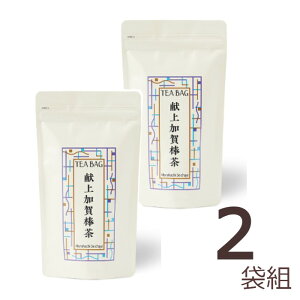
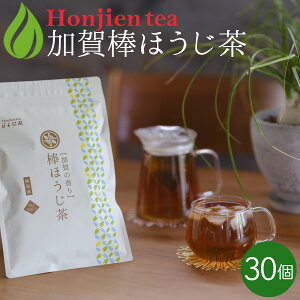
Kaga bōcha: roasted tea made from the stems
Kaga bōcha is hōjicha (roasted green tea) made from tea stems rather than leaves. Maruhachi Seichajō, a tea company in Kaga, explains its origin: tea was grown in what is now Kaga city from the Edo period into the Shōwa era, even for export to America; the stems sorted out of the harvest were drunk locally as everyday tea, and roasting them to bring out the flavour gave rise to bōcha — 'stick tea', after the stems.
The company's best-known product, Kenjō Kaga Bōcha, dates from 1983, when it was asked to prepare the finest possible roasted tea for Emperor Shōwa's visit to Ishikawa. It chose first-flush stems from Kagoshima and developed a light roast for a clean, fragrant cup; the tea went on sale the following year. The company lists a 60 g can at ¥1,944, a 60 g bag at ¥1,296 and 12 tea bags at ¥972, and gives a best-before period of three months from production, unopened. Light and dry, it travels easily. To brew, it suggests 6 g of leaves to 260 ml of boiling water for 25 seconds, or 600 ml of cold water for three hours.
Where to buy: the head shop beside the roasting factory in Iburihashi, Kaga, sells the full range and has a tea space, factory tours and a tea room; on the way home, the company has shops inside JR Kanazawa Station (Kanazawa Hyakubangai) and in ecute Shinagawa in Tokyo. In Yamanaka, Yamanaka-za sells Yu no Kiku, a chrysanthemum-shaped financier flavoured with Kaga bōcha, named after the Kiku-no-yu bath. You may taste the tea at dinner first: Houshi's Kaga kaiseki in Awazu has included a Kaga bōcha sesame tofu.
Search in Japanese shops
- Kenjō Kaga BōchaAmazon.co.jpRakuten
- Kaga bōcha tea bagsAmazon.co.jpRakuten
- Roasted stem teaAmazon.co.jpRakuten


Rakuten prices as of Nov 6, 2026 — check the shop for current price and stock. Supported by Rakuten Developers Rakuten links are affiliate links: we may earn a commission at no extra cost to you. As an Amazon Associate, OKU earns from qualifying purchases.

Kaga OnsenClassic
Awazu Onsen, Komatsu, Ishikawa — four buildings around a historic garden, about 20 minutes by the inn's shuttle from Kaga Onsen shinkansen station
9 sources
Houshi
粟津温泉 法師
A family inn said to date back 1,300 years, with a registered Meiji entrance hall and a moss garden laid out in the manner of Kobori Enshu — the history is real, but the buildings are tired and the big baths are recirculated
- Historic Ryokan
Yamashiro: onsen manju, yōkan and hot-spring cosmetics

Yamashiro's sweet shops cluster around the Sōyu and Kosōyu baths and along Onsen-dōri. The tourism association's sweets page picks out Okashitsukasa Marufuku (Onsen-dōri, 8:00–19:00), whose onsen manju are made with Yamashiro's hot-spring water and Okinawan brown sugar around white bean paste (¥130 each); Shimotsune (8:00–18:00, closed Tuesdays), where the fourth-generation owner makes fresh sweets each morning, including Ayame no Yukari, a yomogi manju, in limited numbers (¥150); Ren Eishōdō, whose hon-neri yōkan is made with Hokkaido azuki, agar from tengusa seaweed and rock sugar; and Okashitsukasa Yokoya, with a baked sweet topped with pine nuts and sesame that is tied to the spa's founding legend and wrapped in paper showing the three-legged crow yatagarasu.
Some things are for eating on the spot: the shop at the Sōyu bath (7:00–19:00) sells an onsen-tamago soft-serve made with eggs cooked in Yamashiro's spring water (¥450). If you want to graze, the association sells a Yamashiro tabearuki coupon book — six coupons for ¥700, valid for three days — at participating inns and shops.
Something that is not food: the Yamashiro ryokan cooperative makes a small skincare range with the town's sulphate spring water. Its Yamashiro Onsen Mist is 100% spring water with no preservatives (80 g, ¥1,210), alongside a sheet mask (¥330) and a soap coloured with shikon root (100 g, ¥1,100). Its own online shop delivers within Japan only, so buy it while you are in town. Hatori, halfway along Yamashiro's main street, is a five-minute walk from the Sōyu and Kosōyu baths and the sweet shops around them.
Search in Japanese shops
- Yamashiro Onsen mistAmazon.co.jpRakuten
- Kaga wagashi gift boxesAmazon.co.jpRakuten
- Hand-kneaded yōkanAmazon.co.jpRakuten


Rakuten prices as of Nov 6, 2026 — check the shop for current price and stock. Supported by Rakuten Developers Rakuten links are affiliate links: we may earn a commission at no extra cost to you. As an Amazon Associate, OKU earns from qualifying purchases.
Area photoKaga OnsenClassic
Onsen-dōri, Yamashiro Onsen, Kaga, Ishikawa — on the spa town's main street, about five minutes' walk from the Sōyu and Kosōyu public baths; 15 minutes by the inn's free shuttle from Kaga Onsen Station
9 sources
Yamashiro Onsen Hatori
山代温泉 葉渡莉
A mid-priced, 67-room town-centre inn with free all-night drinks, weekend taiko drumming, real single rooms for solo travellers and a gentle ginger-and-koji kaiseki — but the 'open-air bath' suites use tap water, not onsen, and the building shows its age
Read the ConsensusYamanaka: nyan-nyan manju, the Yuge Kaidō and Shishi no Sato sake

The Yuge Kaidō is Yamanaka's main street, about 600 m from the Kiku-no-yu bath to near Korogi Bridge, with no overhead power lines and wide pavements. The tourism association says it is lined with lacquer and Kutani galleries, cafés and places to eat, and that the shops along it will hold your bags and let you use their toilets free of charge.
For sweets, the association's Yamanaka sweets tour lists Yamanaka Ishikawaya's nyan-nyan manju, mild manju flavoured with brown sugar and local miso (8:00–17:00, closed Wednesdays), and, at Yamanaka-za, the Yu no Kiku bōcha financier and an ice candy made from the spa's own spring water with chrysanthemum petals. A coupon book of three sweets for ¥700 is sold at Yamanaka inns (for people staying there), Yamanaka-za and the tourism association; many shops close on Wednesdays.
Yamanaka also has its own brewery. Matsuura Shuzō, founded in 1772, makes Shishi no Sato from the spring water that rises in the grounds of Iōji temple; it brews only junmai sake and describes it as a gentle sake for drinking with food. Its shop in Yamanaka Onsen Honmachi 2-chōme is open 9:00–18:00 (closed Wednesdays), and the brewery also sells online. Kagari Kisshotei, at the Korogi Bridge end of the Yuge Kaidō, pours Shishi no Sato free with dinner; from Hanatsubaki, at the quiet upstream end of the gorge, the front desk will drive you to the Yuge Kaidō on request.
Search in Japanese shops
- Nyan-nyan manjuAmazon.co.jpRakuten
- Shishi no Sato sakeAmazon.co.jpRakuten
- Ishikawa sakeAmazon.co.jpRakuten


Rakuten prices as of Nov 6, 2026 — check the shop for current price and stock. Supported by Rakuten Developers Rakuten links are affiliate links: we may earn a commission at no extra cost to you. As an Amazon Associate, OKU earns from qualifying purchases.
Area photoKaga OnsenClassic
Yamanaka Onsen, Kaga, Ishikawa — beside Korogi Bridge above the Kakusenkei gorge, at the end of the Yuge Kaidō main street; about 30 minutes by the inn's free shuttle bus from Kaga Onsen Station
9 sources
Yamanaka Onsen Kagari Kisshotei
山中温泉 かがり吉祥亭
A big, cheerful 48-room inn stepped down the Kakusenkei gorge, where dinner comes with free-flowing drinks, all-you-can-eat tempura or pork shabu-shabu, and free coffee, pudding and taiko drumming — but most rooms are dated, only three have their own spring-fed bath, and the baths never swap
Read the ConsensusArea photoKaga OnsenValue
Kayano, Yamanaka Onsen, Kaga, Ishikawa — at the far upstream end of Yamanaka Onsen beside the Shinsenkyō gorge, a 20-minute walk from the Yuge Kaidō street and 25 minutes by free shuttle from Kaga Onsen Station
10 sources
Yamanaka Onsen Yubatake no Yado Hanatsubaki
山中温泉 湯畑の宿 花つばき
A 48-room value inn at the far end of Yamanaka Onsen, built around the Yubatake — a terrace of mixed-bathing riverside tubs worn with bathing robes — but 2025–2026 guests found the tubs too cool or too hot, part of it shut for works, and 65 steps to climb
Read the ConsensusBuying on the way home, sending heavy items ahead, and ordering later
If you run out of time in town, ask at your ryokan first; what each inn's shop stocks varies, so check at the front desk. In Awazu, the Yunokuni no Mori traditional craft village offers more than 100 hands-on craft workshops in 11 halls set among relocated Edo- and Meiji-era farmhouses, including Wajima lacquer and Kutani ware, and its general store sells Hokuriku sweets and local sake. If you change trains in Kanazawa, Maruhachi Seichajō's shop inside JR Kanazawa Station sells Kaga bōcha.
Porcelain is fragile and lacquer surfaces scratch, so pack both in the middle of your suitcase wrapped in clothes or bubble wrap, or ask whether the shop or your inn can send them on by courier. For posting food home, packing it for the flight and the rules on bringing food into your own country, see /en/guides/japanese-snacks-and-souvenirs-to-take-home; for having things delivered to your inn in the first place, see /en/guides/ship-to-your-ryokan.
Missed something? The Yamanaka lacquerware cooperative, Maruhachi Seichajō and Matsuura Shuzō all run online shops, and the searches in this guide find Yamanaka lacquer, Kutani porcelain, Kaga bōcha and Ishikawa sake on Amazon.co.jp and Rakuten — check the seller, best-before dates and whether they ship abroad.
Search in Japanese shops
- Kaga Onsen souvenirsAmazon.co.jpRakuten
- Bubble wrapAmazon.co.jpRakuten
- Ishikawa sweets gift boxesAmazon.co.jpRakuten


Rakuten prices as of Nov 6, 2026 — check the shop for current price and stock. Supported by Rakuten Developers Rakuten links are affiliate links: we may earn a commission at no extra cost to you. As an Amazon Associate, OKU earns from qualifying purchases.
We may earn a commission if you book through these links, at no extra cost to you. Affiliate disclosure
Sources
- Yamanaka-nuri (Yamanaka lacquerware) official site: About Yamanaka-nuri
- Yamanaka-nuri official site: Where to find Yamanaka-nuri
- Yamanaka-nuri official site (Yamanaka lacquerware cooperative, online store)
- Ishikawa Prefecture statistics: Traditional crafts list (Kutani ware, Yamanaka lacquerware)
- Yamanaka Onsen Tourism Association: Landmarks (Yuge Kaidō, Yamanaka-za, Yamanaka Urushi-za)
- Yamanaka Onsen Tourism Association: Yamanaka Onsen sweets tour
- Yamashiro Onsen Tourism Association: Visiting the home of Kutani ware
- Yamashiro Onsen Tourism Association: Souvenirs (goods & sweets)
- Yamashiro Onsen Tourism Association: Yamashiro sweets
- Yamashiro Onsen Tourism Association: Hot-spring cosmetics series
- Nomi City Kutani Ware Museum: About Kutani ware
- Maruhachi Seichajō: How Kaga bōcha became Kenjō Kaga Bōcha
- Maruhachi Seichajō: Shops
- Maruhachi Seichajō online shop: Kenjō Kaga Bōcha 60 g can
- Matsuura Shuzō: Shishi no Sato (official site)
- Kaga Traditional Craft Village Yunokuni no Mori (official site)
Photo credits
- Kitaichi lacquerware shop, Yamanaka Onsen · Asturio Cantabrio / CC BY-SA 4.0
- Ishikawa Prefectural Kutani Ware Museum, Kaga · 663highland / CC BY-SA 4.0
- Kosōyu public bath, Yamashiro Onsen · Asturio Cantabrio / CC BY-SA 4.0
- Yamanaka Ishikawaya, Yamanaka Onsen · Asturio Cantabrio / CC BY-SA 4.0
- Sōyu public bath, Yamashiro Onsen · 掬茶 / CC BY-SA 4.0
- Hōshi — the entrance and garden pines, Awazu Onsen · 663highland / CC BY-SA 4.0