Takaragawa Onsen Osenkaku
宝川温泉 汪泉閣
Takaragawa Onsen Osenkaku in winter, Minakami · kallerna / CC BY-SA 3.0
470 tatami of riverside open-air baths, where everyone wears the inn's bathing robe — Japan's most spectacular mixed bathing at a bargain price, if you can live with an old building, day-trip crowds and summer horseflies
Osenkaku stands alone on the Takaragawa stream, and people come for one thing: four enormous open-air baths strung along the river, 470 tatami in all, filled with free-flowing water from four wells on site. Three are mixed; one, Maya-no-yu, is for women only. Since April 2019 everyone in the mixed baths must wear the inn's own bathing garment — a dress for women, a waist wrap for men — so first-timers find it far less daunting than it sounds, and after the day visitors leave at about 16:00 the evenings and early mornings belong to staying guests. Japanese reviewers rate it 4.22 across more than 1,000 reviews on one major site and 4.0 across 1,821 on another, with the onsen scoring highest and cleanliness and facilities lowest. The wooden Honkan of 1955 is the building to stay in — corner rooms especially — while the 1936 First Annex is small and basic. Dinner is mountain food, with fried amago trout the dish guests remember. The complaints are consistent: horseflies bite in summer, some pools run cool (one posted 26°C in December), walking between baths in a wet robe is cold in winter, rooms have stink bugs and creaky floors, and most guests and staff are now from overseas, which some Japanese guests like and others find hard. Standard plans with two meals start around ¥17,000–19,000 per person.
Room Selection Guide
What the guests who stayed here actually recommendRecommended
Honkan (本館) river-side rooms, especially corner rooms
The 1955 wooden main building has the atmosphere and the river views: a June 2026 guest in a corner room found it huge, with an engawa sitting area you can close off with shoji, and a May 2026 reviewer called the corner room with its tatami wrap-around corridor 'something special'. The corridors are old but polished to a shine, a 2024 blogger wrote. Rooms have a toilet but no bath.
East Wing (東館) rooms with bath and toilet
The concrete East Wing (fully renovated in 1999) holds the front desk, restaurant and indoor baths, and some rooms have their own bath. A 2023 blogger found their 10-mat room 'old in general, but it didn't really bother us'; top-floor rooms hear the stream. Mountain-side rooms lose the river view but are the cheapest way in.
Request To Avoid
First Annex (第一別館), and any room if you're a light sleeper
The 1936 annex has 6-mat rooms with no bath, no toilet and no lift; one 2026 guest found theirs cramped and visible from outside, though another gave it full marks — and it's the closest building to the open-air baths. In the wooden buildings creaks and footsteps from upstairs carry, and 2025–2026 reviewers mention stink bugs in the light fittings, cobwebs and dust between the tatami.
Know which room you want?
Check live rates and availability for Takaragawa Onsen Osenkaku.
We may earn a commission if you book through these links, at no extra cost to you. Affiliate disclosure
Dining Deep Dive
Breakfast Consensus
3.9/5A set Japanese breakfast where you warm dishes yourself on a hotplate (the old buffet has gone), served 7:00–9:00 — fine, though one 2026 guest found it strongly seasoned
Bathe after 16:00 or before 9:30, when the day visitors have gone, and in summer bring insect repellent — horseflies are the most common complaint. Book the free shuttle from Jomo-Kogen or Minakami Station early; it fills up.
Dinner Insights
4.0/5Mountain cooking in the restaurant or, on some plans, in the semi-private Takeniwa dining room: fried amago trout (guests eat it whole — 'the bones and head are crisp'), a pork or Joshu beef hotpot with flat udon, Joshu beef steak on the steak plans, and brown rice with red miso soup. Portions are large, and the children's meals huge. Criticisms: some dishes are too inventive for guests who want plain Japanese food, several call it 'ordinary ryokan food', and one 2023 blogger was served rice before the fried course. Allergies need three days' notice; gluten-free and low-salt meals aren't officially offered.
Onsen & Wellness Realities
A simple spring from four wells on site at 40–68°C, about 1,800 litres a minute, free-flowing in every bath. Maka-no-yu, Hannya-no-yu and the indoor baths get no added water, heating or recirculation; Maya-no-yu and Kodakara-no-yu are cooled with water in summer only.
Four open-air baths by the river: Maka-no-yu (mixed, about 120 mats, with a falling-water shower), Hannya-no-yu (mixed, shallow and dim at night), Kodakara-no-yu (mixed, the largest, with a shrine above it) and Maya-no-yu (women only). Staying guests can bathe 14:00–24:00 and 5:00–9:30; the indoor men's and women's baths are open 24 hours. In the mixed baths you must wear the inn's robe — your own garment or swimsuit isn't allowed — and photography is banned. The robes are sized for women but one-size for men, and the men's wrap can gape. There are no washing areas by the river. Temperatures vary a lot: indoor baths are the most comfortable, while Kodakara-no-yu has been posted at 26–30°C in late autumn and winter.
No policy on the official site or the Japanese booking sites. One reviewer mentioned seeing tattooed bathers, but that isn't a rule — contact the inn.
Local Warnings & Nuances
- 01
Getting there: free shuttle by reservation from Jomo-Kogen Station (13:00 and 15:00) and JR Minakami Station (15:15), returning at 9:30 (9:15 in winter). By car it's about 18 km from Minakami IC and snow tyres or chains are essential in winter; December–March you can park at the Michi-no-eki Minakami and ride the free shuttle.
- 02
Check-in 14:00, check-out 10:00. Bath tax ¥150 per adult.
- 03
Day visitors (¥1,500) share the open-air baths until about 16:00, so the middle of the day is busy.
- 04
Most guests — '80 to 90 percent' by several 2026 reviewers' counts — and much of the staff are from overseas. Staff are usually praised as friendly, but a few Japanese guests reported language friction, and one found no Japanese-speaking staff at night.
- 05
Wear something warm between baths in winter: the paths are long, the changing rooms are far from the building, and a re-used wet robe gets cold.
Sources
The real blog posts and stay reports this article draws on
More Consensus Reports

MinakamiClassic
Hoshi Onsen, Minakami, Gunma — the only inn at the end of a mountain road
9 sources
Hoshi Onsen Chojukan
法師温泉 長寿館
A lone Meiji-era inn where the water bubbles up through the stones beneath you — one of Japan's great baths, if you can handle mixed bathing, no air conditioning and autumn stink bugs
- Historic Ryokan
- Secluded Retreats
KyotoLuxury
Fuyacho-Anekoji, Nakagyo, Kyoto — in the city centre, a short walk from Kyoto City Hall
8 sources
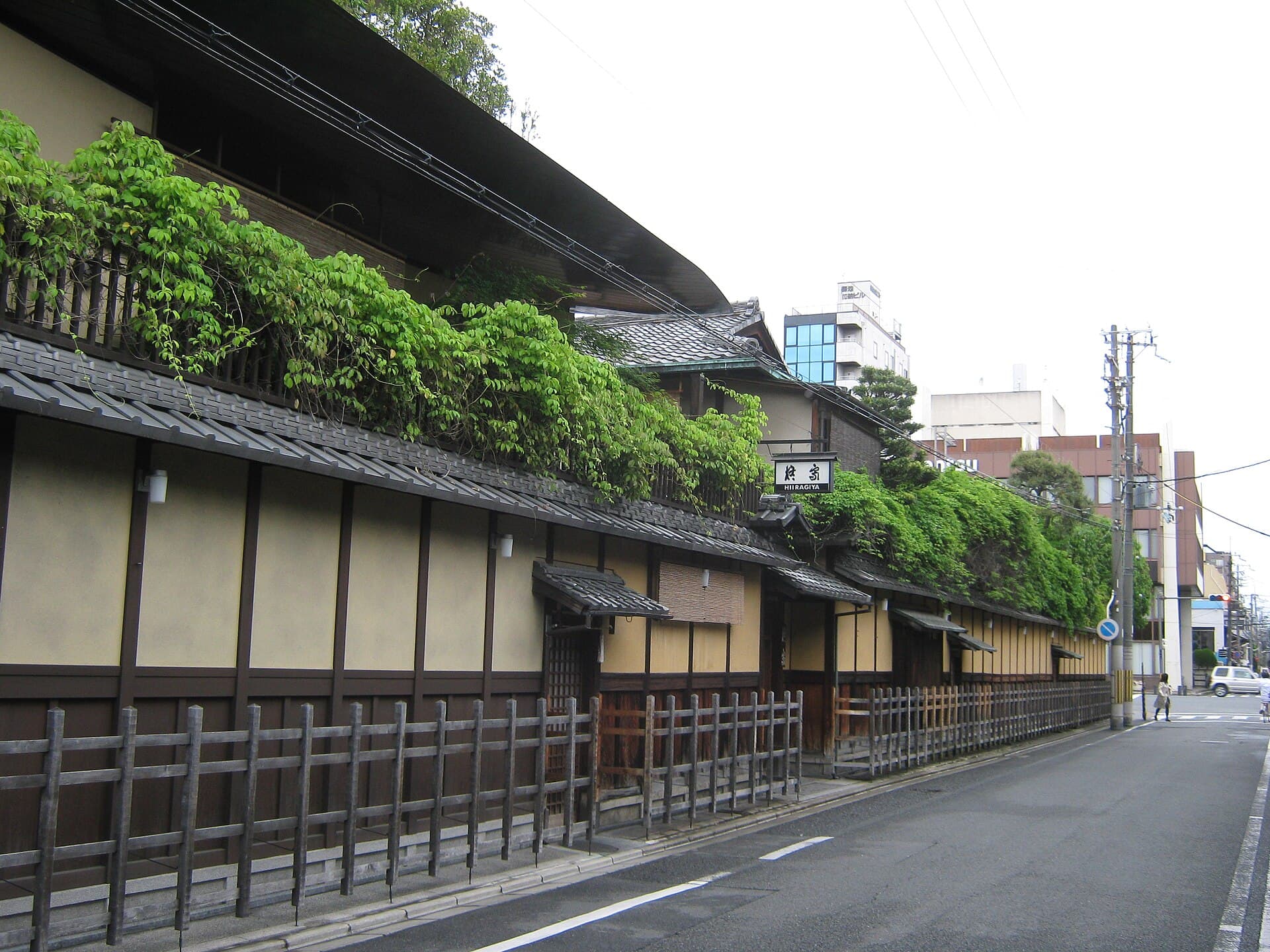
Hiiragiya
柊家
Kyoto's 1818 inn of writers and film stars — near-flawless service and kaiseki, koyamaki-wood baths, and no hot spring
- Historic Ryokan
- Destination Dining

Aizu-WakamatsuClassic
Higashiyama Onsen, Aizu-Wakamatsu, Fukushima — a wooden inn beside the Yukawa river, a minute from the Higashiyama Onsen bus stop
9 sources
Mukaitaki
会津東山温泉 向瀧
Japan's first registered-heritage inn: a former Aizu clan bath retreat with scalding free-flowing water, free private baths and carp dinners in your room — and a lot of stairs
- Historic Ryokan
Photo credits: Hoshi Onsen Chojukan — the entrance in snow · veroyama / CC BY 2.0 / Hiiragiya — the frontage on Anekoji-dori, Kyoto · Mariemon / CC BY 3.0 / Mukaitaki in the snow, Higashiyama Onsen, Aizu-Wakamatsu · Fumihiko Ueno / CC BY 3.0
Takaragawa Onsen Osenkaku
Compare rates across trusted booking partners · Affiliate disclosure