Miyamaso Takamiya
蔵王温泉 深山荘 高見屋
Area photo — not the ryokan itself · Zao Onsen, Yamagata · Raita Futo from Tokyo, Japan / CC BY 2.0
A 300-year-old inn with its own fiercely acidic sulphur springs and some of Zao's best-loved cooking — in an old, maze-like building with no lift
Takamiya has been in Zao Onsen since 1716 and hosted members of the imperial family in the 1940s and 50s, including the future emperor, who stayed four days. It owns three springs of strongly acidic, sulphurous water — around pH 1.3 to 2.0 depending on the source — poured into a series of wooden and stone baths, and Japanese guests love both the water ('hot and powerful') and the food: it averages 4.7 across 417 reviews on one major booking site, with dinner at 4.9 and breakfast at 4.8. Dinner centres on Zao beef, often as a sukiyaki-shabu-shabu hotpot, with abalone and local pork; breakfast brings rice cooked in a clay pot to your timing and imoni stew. The criticism is almost all about the building: it is over a century old, reached by about 20 stone steps with no car access to the door, has no lift, creaks, and is 'like a maze' — several guests got lost on the way to the baths. The baths are small with no view and get crowded on busy nights, some find the water too hot or stinging, and older rooms show their age. Children aged 12 and under are not accepted. Standard plans run about ¥22,000–26,000 per person with two meals.
Room Selection Guide
What the guests who stayed here actually recommendRecommended
Hinagura (雛蔵) — the detached storehouse suite
110㎡ for two to four, and the only room in Zao Onsen with an open-air bath fed from the hot spring, the inn says. A couple paid ¥93,060 for two with two meals on a pre-holiday night. Caveats from guests: the bath is roofed and screened, so it feels enclosed, the water can be very hot, and the room is 'too big for two'.
Corner Japanese suites and modern rooms (renovated December 2023)
The newest standard rooms, at 50㎡ and 30㎡. The 43㎡ rooms with an anteroom (some with beds) are the mid-range choice; a June 2026 weekday guest booked one for ¥26,400.
Request To Avoid
Ria-an Sansui (離庵山水) rooms, if you expect onsen in the room
These 61㎡ designer rooms (by Ken Okuyama) all have an open-air bath — but the inn's group site states it is not hot-spring water, and a 2022 guest confirmed it. Book Hinagura if you want onsen in your room.
Any room, if stairs or old buildings are a problem
No lift, steep stairs and a long walk with many steps from the car park; reviewers in 2025–2026 mention creaking floors, dated toilets and plumbing, broken window locks, missing screens, draughts during a blizzard and insects getting in through window fans in rooms without air conditioning.
Know which room you want?
Check live rates and availability for Miyamaso Takamiya.
We may earn a commission if you book through these links, at no extra cost to you. Affiliate disclosure
Dining Deep Dive
Breakfast Consensus
4.6/5A Yamagata home-style breakfast with rice cooked in a clay pot to your arrival time, imoni stew and cherry pickles
Phone from the Zao bus terminal for the free pickup rather than walking — the lane is uphill and icy in winter. The one-room solo plan is the only option for single travellers.
Dinner Insights
4.6/5The 'Hana' kaiseki with a Zao beef steak on a ceramic plate is standard; the sukiyaki-shabu-shabu hotpot (sukiyaki in the middle, shabu-shabu round the rim) is limited to four groups a day. Guests single out abalone steamed with herbs and a creamy liver sauce, Zao beef and Komenomusume pork. Dinner is in a dining hall at tables or, on some plans, a private room — no in-room dining. Criticisms: a 2022 guest booked the hotpot plan and got the standard kaiseki (refunded promptly), and others found food lukewarm or rice too firm. Allergy requests must be made five days ahead.
Onsen & Wellness Realities
Three of the inn's own springs of strongly acidic, sulphurous alum-vitriol water; bloggers record about pH 2.0 (Choju-no-yu), 1.7 (Seseragi-no-yu) and 1.3 (Hinagura), with no added water, heating or recirculation. It can sting your eyes.
Choju-no-yu is an old wooden bathhouse with a tub outdoors on one side only, so the men's and women's sides swap daily; Seseragi-no-yu has a Zao-stone outdoor bath with a foot bath and a hinoki bath with an outdoor tub, also swapping. The outdoor baths are roofed and screened — usable in snow, but with no view — and small, so they fill up on busy nights. A private bath with a Shigaraki-ware tub costs ¥3,000 for 50 minutes (7:00–22:00, first come first served); one guest measured it at about 50°C.
No policy stated on the official or Japanese booking sites. Hinagura's in-room onsen and the private bath let you bathe alone — ask the inn.
Local Warnings & Nuances
- 01
Children aged 12 and under are not accepted, and pets are not allowed.
- 02
Getting there: about 40–50 minutes by bus from Yamagata Station to Zao Onsen bus terminal (roughly hourly), then a short uphill walk or the free pickup. Check-in 15:00, check-out 10:00; 20 free parking spaces.
- 03
The Zao Echo Line road is closed from November to the end of April. Zao's snow monsters (juhyo) are usually at their best from late January to early March.
- 04
Guests have been able to use some sister Takamiya hotels' baths for free as part of a bath-hopping scheme — ask what's included when you book.
- 05
There is no day-trip bathing, and Wi-Fi can be unstable.
Sources
The real blog posts and stay reports this article draws on
- 蔵王温泉 深山荘高見屋 宿泊記 300年の歴史を持つ名湯の宿に一人泊 (山と温泉のきろく)
- 【詳細解説ブログ】深山荘 高見屋 温泉露天風呂付き離れ「雛蔵」宿泊記 (TRAVEL CAMPER)
- 山形旅行②~高見屋❷ (くんちゃんの温泉旅行記)
- 深山荘 高見屋 お部屋とお食事 (こえだのせいかつ)
- 天候に恵まれなかった蔵王旅行その4 蔵王温泉・深山荘高見屋宿泊編 (4travel.jp)
- 蔵王温泉 深山荘高見屋に宿泊してきました (こぶたママ)
- 深山荘 高見屋 クチコミ (じゃらんnet)
- 深山荘 高見屋 クチコミ・感想 (楽天トラベル)
- 深山荘 高見屋 クチコミ (一休.com)
- 蔵王温泉 深山荘 高見屋 (公式サイト)
More Consensus Reports
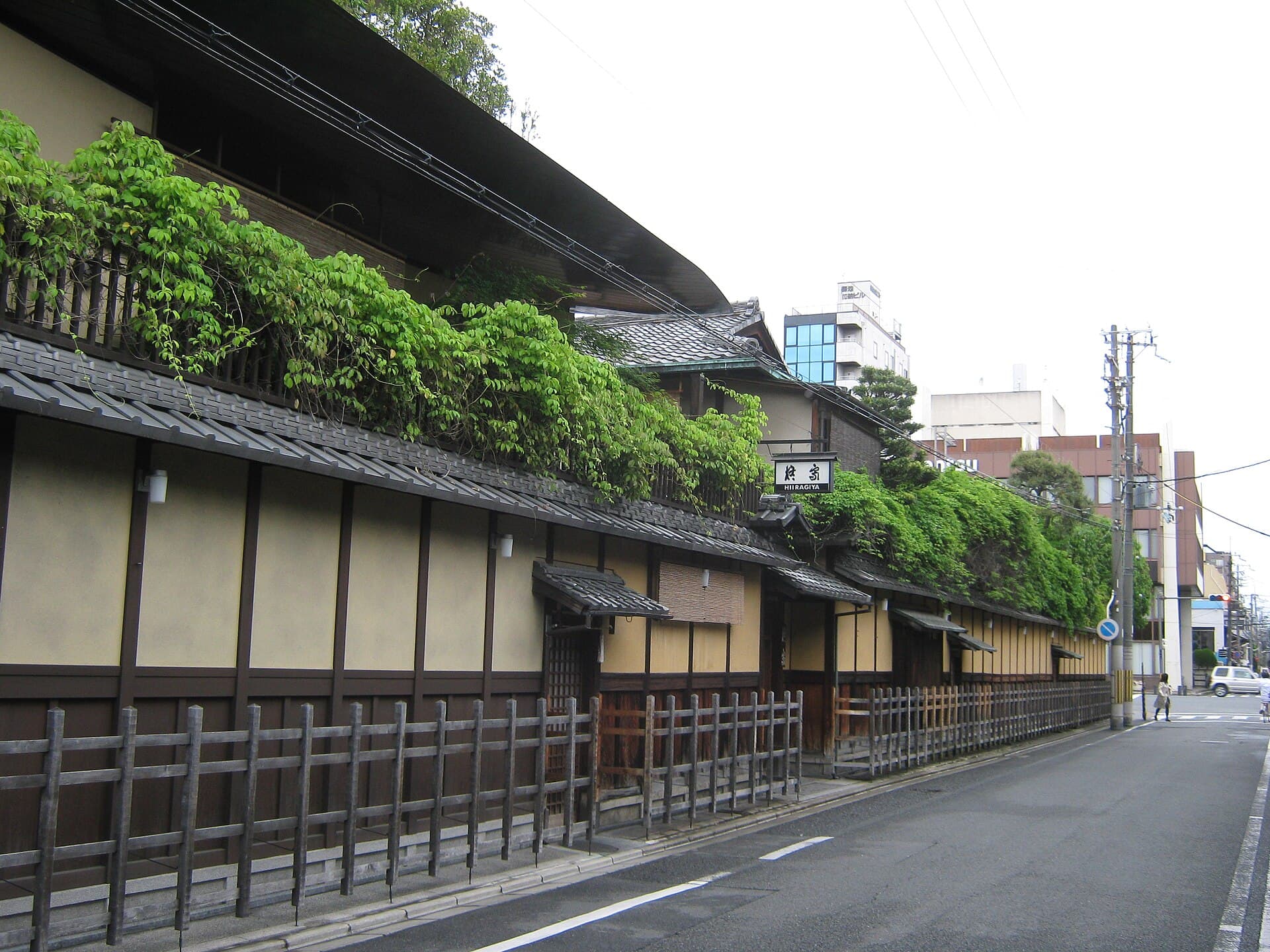
KyotoLuxury
Fuyacho-Anekoji, Nakagyo, Kyoto — in the city centre, a short walk from Kyoto City Hall
8 sources
Hiiragiya
柊家
Kyoto's 1818 inn of writers and film stars — near-flawless service and kaiseki, koyamaki-wood baths, and no hot spring
- Historic Ryokan
- Destination Dining

Aizu-WakamatsuClassic
Higashiyama Onsen, Aizu-Wakamatsu, Fukushima — a wooden inn beside the Yukawa river, a minute from the Higashiyama Onsen bus stop
9 sources
Mukaitaki
会津東山温泉 向瀧
Japan's first registered-heritage inn: a former Aizu clan bath retreat with scalding free-flowing water, free private baths and carp dinners in your room — and a lot of stairs
- Historic Ryokan

Kinosaki OnsenClassic
Yushima, Kinosaki, Toyooka, Hyogo — in the heart of the onsen town, two minutes from Goshonoyu
9 sources
Mikiya
城崎温泉 三木屋
Shiga Naoya's inn, rebuilt in wood in 1927 — some of Kinosaki's warmest service and two free private baths, though winter crab doesn't always live up to the price
- Historic Ryokan
Photo credits: Hiiragiya — the frontage on Anekoji-dori, Kyoto · Mariemon / CC BY 3.0 / Mukaitaki in the snow, Higashiyama Onsen, Aizu-Wakamatsu · Fumihiko Ueno / CC BY 3.0 / Mikiya — the wooden main building, Kinosaki · Ippukucho / CC BY 3.0
Miyamaso Takamiya
Compare rates across trusted booking partners · Affiliate disclosure