Zao Onsen Kinosato
蔵王温泉 岩清水料理の宿 季の里
Area photo — not the ryokan itself · Zao Onsen, Yamagata · Raita Futo from Tokyo, Japan / CC BY 2.0
A warm, family-run 20-room inn at the edge of Zao Onsen, loved for its staff and hearty Yamagata-beef dinners, with a milky, free-flowing sulfur bath in a wooden bath house across the car park — the indoor baths aren't hot-spring water, and the 1993 building shows its age
Kinosato opened in 1993 on the quiet, dead-end lower edge of Zao Onsen, beside the Shiginoyachi marsh where skunk cabbage blooms in spring, and a 5-minute walk from the Zao Ropeway and the Yokokura slope. It's a small house of 20 rooms, run by an okami who greets guests with homemade oshiruko (sweet red-bean soup) and tea in the lobby. The draw is the bath: Daikichi-no-yu, a hinoki semi-open-air bath in a separate wooden bath house about 30 m across the car park, filled with Zao's milky, strongly acidic sulfur water, free-flowing with no water or heat added. The indoor baths, by contrast, are heated Zao groundwater, not hot-spring water. Japanese guests rate it 4.7 across 690 reviews on one major site (dinner 4.8) and 4.65 across 449 on another, and 4.77 across 22 on a third. Reviewers in 2025–2026 praise the attentive staff — leftovers made into rice balls, lost hats posted home — and generous dinners built around Yamagata beef sukiyaki or shabu-shabu and the inn's sobagaki hotpot, and many found the annex bath empty. Complaints: walking outside to the bath (boots and blankets are lent in winter), water that some found too hot, worn rooms with frayed tatami and thin walls (May and August 2026), and one August 2026 guest who found the food bland; dinner is served in a shared dining room, not in private rooms. Two-meal stays run about ¥18,000–30,000 per person.
Room Selection Guide
What the guests who stayed here actually recommendRecommended
Kinugasasō (衣傘草), the single Luxury Japanese-modern twin on the third-floor corner
28㎡ with tatami, Simmons semi-double beds, a sofa and desk, a bath and toilet, and two large corner windows facing the Zao mountains — a February 2025 traveller on 4travel stayed here and could see the mountains from both windows. An October 2025 guest on another site stayed here for two nights and praised the staff. The six Superior twins (12 tatami, beds, bath) are the next step down; one booked in August 2026 drew complaints about noise (see below).
Superior Japanese rooms (10 tatami) and the two Modern Japanese-Western rooms
The six 10-mat rooms have a bath and look out over the Zao range; the two Japanese-Western rooms (Kurinsō and Tamurasō) combine twin beds with an 8-mat tatami room and a work space, facing the forest around the marsh, for up to four. A February 2023 couple who couldn't get a Japanese room were given a spacious Japanese-Western room and paid ¥50,600 for two with two meals.
Request To Avoid
Standard Japanese rooms (8 tatami), and anyone sensitive to noise or wear
The four 8-mat rooms, like the two-room Deluxe, have a toilet but no bath, and face the woods rather than the mountains. In June 2025 a guest in one found the room hot even with the window open and the TV small; in May 2026 a guest in a Japanese room described worn sliding doors and wallpaper and frayed tatami. An August 2026 solo guest in a Superior twin heard the neighbours, creaking floors and noticed what looked like insects in the light fitting.
Know which room you want?
Check live rates and availability for Zao Onsen Kinosato.
We may earn a commission if you book through these links, at no extra cost to you. Affiliate disclosure
Dining Deep Dive
Breakfast Consensus
4.4/5A Japanese set breakfast at 7:30 or 8:00 in the dining room — Yamagata soba, beef-tendon stew, tama-konnyaku, grilled salmon and rolled omelette — widely praised as generous, though a May 2026 guest found the rice poorly cooked
For the winter ice-monster (juhyō) light-up, the inn drives guests to the ropeway between 19:00 and 19:30 and serves dinner from 17:30 instead; you walk back about 5 minutes. Free pickup from Zao Onsen bus terminal (5 minutes) — phone on arrival. Extra dishes such as a 200 g Zao beef steak (¥8,800) need ordering three days ahead; local sake runs ¥1,320–2,200 for 300 ml, and in 2023 there was no alcohol vending machine.
Dinner Insights
4.4/5Kaiseki at 18:00, 18:30 or 19:00 in the ground-floor Kinosato dining room — not private: a February 2025 guest found three tables in one tatami room. Five menus run from Yuki-buta pork on a ceramic grill up to A5 Yamagata beef as shabu-shabu, steak and seared nigiri, most with the inn's Daikichi hotpot of sobagaki, chicken and mountain yam. Reviewers in 2026 praised the sukiyaki, cooked at the table by the okami, the careful explanations and the volume — too much for some older guests — and on multi-night stays the menu changes. Critics found the cooking bland (August 2026) and the miso soup thin.
Onsen & Wellness Realities
Daikichi-no-yu: Zao's strongly acidic, hydrogen-sulfide alum spring, milky white, 100% free-flowing with no water or heating added, kept around 42°C by adjusting the flow. The official site names the Kaminokawa source; 2022 day visitors saw a posted analysis listing a blend of six Zao sources at pH 2.1. The indoor Tsukimisō and Hanamisō baths are heated alkaline Zao groundwater — the inn states they are not natural hot-spring water.
The hot-spring bath is a wooden semi-open-air hinoki bath house about 30 m from the main building across the car park, with separate men's and women's sides and a foot bath, open 6:30–22:00. Soap and shampoo don't work in the acidic water and there are no washing stations, so guests wash in the indoor baths (open 24 hours, except about 10:00–11:00) first. In winter it was fully enclosed in 2023 and many guests had it to themselves; in 2022 day visitors were admitted around midday. Some found it too hot, and one May 2026 guest skipped it at night for fear of bears. No private or in-room hot-spring baths.
No policy found on the official site or Japanese booking sites — contact the inn.
Local Warnings & Nuances
- 01
Check-in 15:00 (last check-in 19:00 with dinner, 21:00 without), check-out 10:00; official-site room plans give 14:00 check-in and 11:00 check-out — but a March 2026 guest on an 11:00 plan had cleaning staff try the door around 10:00.
- 02
Cancellation: 30% from 7 to 2 days before, 50% the day before, 100% on the day.
- 03
The hot-spring bath means walking outside between buildings, in snow in winter; boots and blankets are lent, but less mobile guests found the trip a burden.
- 04
Children are welcome, with a children's set meal; a family in March 2026 was lent a sledge for the slopes, and another guest borrowed a wheelchair. No pets; the whole building is non-smoking.
- 05
Phone inquiries are taken 9:00–20:00, but the inn prefers its web forms, and questions about tour-company bookings must go through the agency that sold them.
Sources
The real blog posts and stay reports this article draws on
- みちのく湯けむり紀行、第二弾!【3】まさかのピーカン?蔵王の樹氷に感動!の山形編 (4travel.jp)
- 山形旅行一泊目は樹氷を見に蔵王へ (4travel.jp)
- 蔵王でのトレッキングと紅葉狩りの旅(2) ~蔵王のお釜、熊野岳へ~ (4travel.jp)
- 蔵王温泉【季の里】日帰り入浴記「落ち着いた離れの半露天風呂」 (大露天風呂の日記)
- 山形蔵王温泉♨️ 岩清水料理の宿 季の里 (さりゅ・Ameba)
- 蔵王・岩清水料理の宿 季の里 クチコミ (じゃらんnet)
- 蔵王温泉 岩清水料理の宿 季の里 クチコミ・レビュー (楽天トラベル)
- 蔵王温泉 岩清水料理の宿 季の里 - クチコミ・評判 (一休.com)
- 蔵王温泉「岩清水料理の宿 季の里」公式サイト
More Consensus Reports
 Area photo
Zao OnsenClassic
Zao Onsen, Yamagata — up a stone-stepped lane in the old hot-spring village, a few minutes' walk from the ski slopes
10 sources
Miyamaso Takamiya
蔵王温泉 深山荘 高見屋
A 300-year-old inn with its own fiercely acidic sulphur springs and some of Zao's best-loved cooking — in an old, maze-like building with no lift
- Historic Ryokan
- Private Onsen Rooms
KyotoLuxury
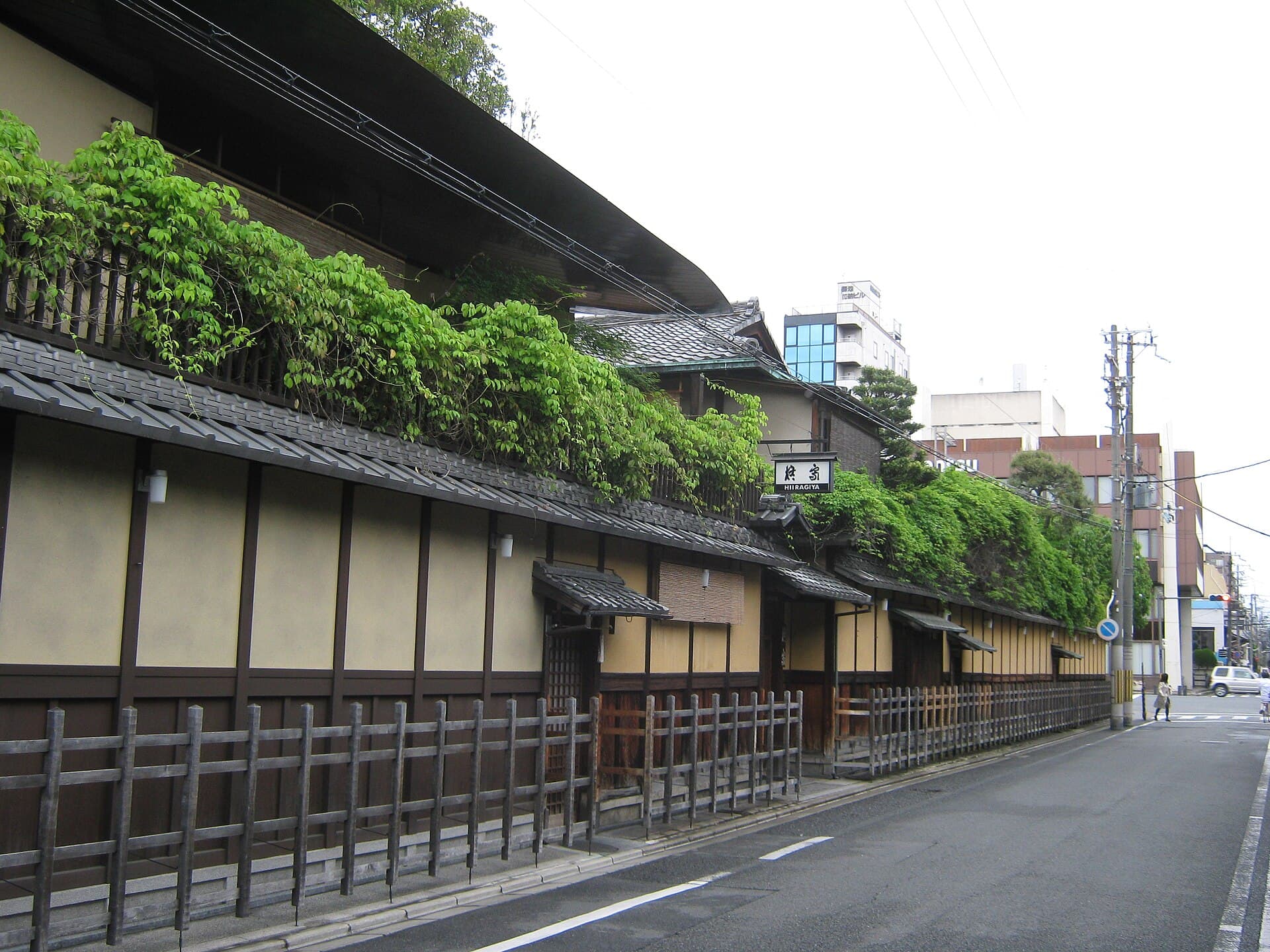
Fuyacho-Anekoji, Nakagyo, Kyoto — in the city centre, a short walk from Kyoto City Hall
9 sources
Hiiragiya
柊家
Kyoto's 1818 inn of writers and film stars — near-flawless service and kaiseki, koyamaki-wood baths, and no hot spring
- Historic Ryokan
- Destination Dining

Aizu-WakamatsuClassic
Higashiyama Onsen, Aizu-Wakamatsu, Fukushima — a wooden inn beside the Yukawa river, a minute from the Higashiyama Onsen bus stop
12 sources
Mukaitaki
会津東山温泉 向瀧
Japan's first registered-heritage inn: a former Aizu clan bath retreat with scalding free-flowing water, free private baths and carp dinners in your room — and a lot of stairs
- Historic Ryokan
Photo credits: Zao Onsen, Yamagata · Raita Futo from Tokyo, Japan / CC BY 2.0 / Hiiragiya — the frontage on Anekoji-dori, Kyoto · Mariemon / CC BY 3.0 / Mukaitaki in the snow, Higashiyama Onsen, Aizu-Wakamatsu · Fumihiko Ueno / CC BY 3.0
Zao Onsen Kinosato
Compare rates across trusted booking partners · Affiliate disclosure