Yarimikan
槍見の湯 槍見舘
Area photo — not the ryokan itself · The Kamata River near Shinhotaka Onsen, Okuhida, Gifu · Tmv / CC BY 4.0
Riverside open-air baths facing the Northern Alps, four free private baths and Hida beef, in a 200-year-old farmhouse — rustic by design, with mixed bathing and a lot of steps
Yarimikan opened in 1925 and is built around a 200-year-old village-headman's farmhouse moved here and set beside the Kamata River, facing the peaks of the Northern Alps. The inn is disarmingly honest that its riverside baths are 'by no means modern, nor especially comfortable' — and Japanese guests love them anyway: baths score 4.9 across 487 reviews on one major booking site, where the inn averages 4.7, and 4.83 on another. The signature is Yarimi-no-yu, a mixed open-air bath with a view of Mount Yarigatake; women get their own open-air bath and a morning women-only slot, bathing wraps are provided, and there are four free private baths you simply lock with a wooden tag. Evenings mean irori-side amazake and a dinner of 12–15 dishes with Hida beef, mornings a hoba-miso breakfast and mochi pounded in the lobby. The criticisms come with the setting: outdoor baths that can run lukewarm, no washing area at the riverside baths, a mixed bath where the women's changing area can be seen, steep stone steps and no lift, dark folk-style rooms with beams you can hit your head on, stink bugs from October to March, and occasional mix-ups. Standard rooms cost about ¥21,000–25,000 per person with two meals.
Room Selection Guide
What the guests who stayed here actually recommendRecommended
Folk-style (民芸調) rooms with an irori hearth
The classic Yarimikan room: tatami, dark timber and a sunken hearth. About ¥21,250–24,550 per person with two meals. Every room has a washlet toilet, though most have no bath. A May 2026 solo guest in Rindo paid ¥31,900 at Golden Week.
Kiri and Kasumi — the storehouse-style annexes
Two-storey maisonettes for five or six with a large in-room rock bath (a 2021 guest in Kasumi loved it). From about ¥30,050 (Kiri) and ¥33,350 (Kasumi) per person; children of primary-school age and younger are not accepted. There is also one barrier-free Japanese-Western room with a hinoki bath and handrails.
Request To Avoid
Folk-style rooms, if you're tall or want light
Guests report beams at about 170cm ('you'll hit your head'), rooms that are 'very dark overall' with nowhere to do make-up, and raised sleeping platforms without night lighting on the steps. Futons are laid before you arrive and staff don't come back in.
Any booking with a specific room type
In April 2026 a guest who had booked a Japanese-Western room with its own bath was put in a different room and only offered a refund later. Confirm your room type when you check in.
Know which room you want?
Check live rates and availability for Yarimikan.
We may earn a commission if you book through these links, at no extra cost to you. Affiliate disclosure
Dining Deep Dive
Breakfast Consensus
4.4/5Hoba-miso (miso grilled on a magnolia leaf) and house-made tofu, followed by mochi pounded in the lobby every morning — guests are invited to join in
Women-only time at Yarimi-no-yu is 7:00–9:00, so it's the moment for women who want the Yarigatake view without mixed bathing. Breakfast starts at 8:00, which one guest found late.
Dinner Insights
4.4/5Twelve to fifteen dishes in a dedicated dining room, with Hida beef as the main — sukiyaki since a new head chef arrived in 2025 — plus river-fish such as iwana; sirloin or fillet steak and hoba-miso steak can be pre-ordered. Portions are generous. Some 2025–2026 reviewers found the iwana 'rubbery' or missed the matsutake in the matsutake rice. The inn cannot cater for wheat or soy allergies or vegan diets.
Onsen & Wellness Realities
A simple / bicarbonate spring from one private and one shared source (about 63°C, 500 litres a minute), with no recirculation or chlorine. Some tubs have water added in summer, and several guests found the outdoor baths lukewarm.
Yarimi-no-yu (mixed, women-only 7:00–9:00) and Manten-no-yu (mixed, the oldest tub) sit on the river; Iwami-no-yu is a women-only open-air bath, and the indoor baths are separated by gender. Bathing wraps are provided for women and, the English site says, for men on request — but men aren't required to wear them, and one 2026 guest noticed the women's changing area could be seen from the mixed bath. The riverside baths have no washing area. Four private baths (Hotaru, Keiryu, Banryu and Mori) are free with no booking — about 30 minutes each.
No policy stated in any source we read. The four free private baths let you bathe without sharing — ask the inn.
Local Warnings & Nuances
- 01
Getting there: about 1 hour 30 minutes by bus from Takayama to the Nakao-kogen-guchi stop, then a 5–8 minute walk, or call for the inn's pickup (from the stop or the Shinhotaka Ropeway, 15:00–17:00). Check-in is 15:00–17:00, check-out 11:00.
- 02
Driving: winter tyres or chains are needed from mid-November to mid-April. In April 2026 the inn advised a detour via Kamioka (about 30 minutes longer) because of a landslide on Route 158.
- 03
The inn warns that stink bugs can appear in large numbers from October to March, despite pest control twice a month.
- 04
There are many stone steps and no lift; they can be slippery after rain. Only rooms are air-conditioned, one 2026 guest noted, and cigarette smoke from the smoking area near the front desk bothered another.
- 05
Day visitors bathe 10:00–14:00 (¥800); day bathing closes in heavy rain.
Sources
The real blog posts and stay reports this article draws on
More Consensus Reports
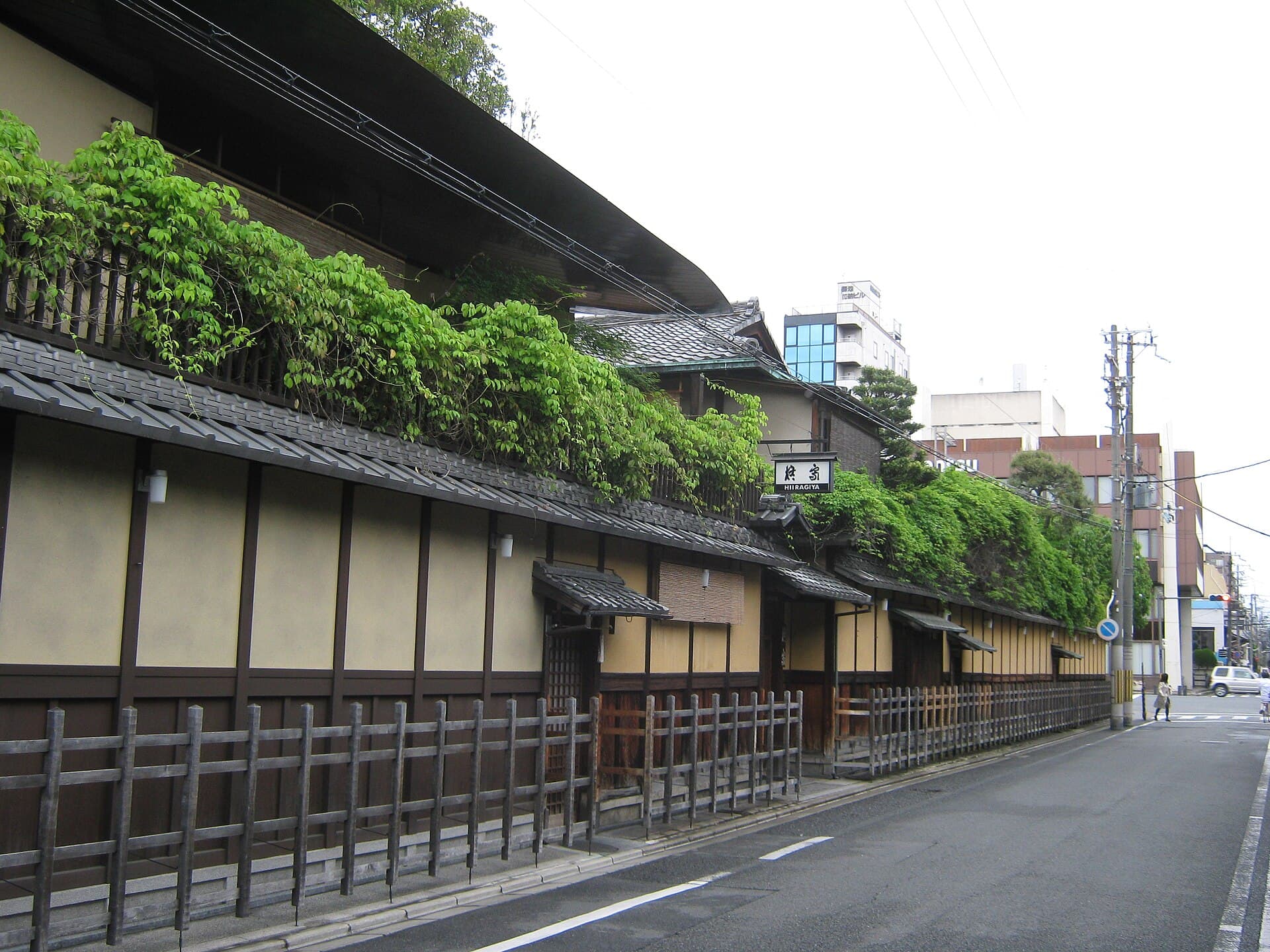
KyotoLuxury
Fuyacho-Anekoji, Nakagyo, Kyoto — in the city centre, a short walk from Kyoto City Hall
8 sources
Hiiragiya
柊家
Kyoto's 1818 inn of writers and film stars — near-flawless service and kaiseki, koyamaki-wood baths, and no hot spring
- Historic Ryokan
- Destination Dining

Aizu-WakamatsuClassic
Higashiyama Onsen, Aizu-Wakamatsu, Fukushima — a wooden inn beside the Yukawa river, a minute from the Higashiyama Onsen bus stop
9 sources
Mukaitaki
会津東山温泉 向瀧
Japan's first registered-heritage inn: a former Aizu clan bath retreat with scalding free-flowing water, free private baths and carp dinners in your room — and a lot of stairs
- Historic Ryokan

Kinosaki OnsenClassic
Yushima, Kinosaki, Toyooka, Hyogo — in the heart of the onsen town, two minutes from Goshonoyu
9 sources
Mikiya
城崎温泉 三木屋
Shiga Naoya's inn, rebuilt in wood in 1927 — some of Kinosaki's warmest service and two free private baths, though winter crab doesn't always live up to the price
- Historic Ryokan
Photo credits: Hiiragiya — the frontage on Anekoji-dori, Kyoto · Mariemon / CC BY 3.0 / Mukaitaki in the snow, Higashiyama Onsen, Aizu-Wakamatsu · Fumihiko Ueno / CC BY 3.0 / Mikiya — the wooden main building, Kinosaki · Ippukucho / CC BY 3.0
Yarimikan
Compare rates across trusted booking partners · Affiliate disclosure