Okutsuso
名泉鍵湯 奥津荘
Okutsuso — the Tōwarō building, Okutsu Onsen · Phronimoi / CC BY-SA 3.0
The 'locked bath' where alkaline water bubbles up through the granite riverbed beneath you — a registered-heritage inn of just ten rooms, with a new modern kitchen and prices that have climbed fast
Okutsuso opened in 1927 after a fire destroyed its predecessor, on the introduction of the statesman Inukai Tsuyoshi, and the woodblock artist Munakata Shikō stayed and left works here; the building has been a registered tangible cultural property since 2018, with renovations every couple of years. Its fame is the Kagiyu, the 'locked bath': the Tsuyama lord once locked it to keep villagers out. Its floor is one continuous granite slab with the Yoshii riverbed, and alkaline water at about 42°C (pH 9.3) bubbles up from under the rocks — not piped in, not heated, not diluted. A second bath, the Tachiyu, is a natural rock hollow about 120cm deep where you bathe standing; both swap between men and women, and two private baths are free for guests, 24 hours, no booking. Japanese guests rate it 4.58 across 330 reviews on one major site and 4.60 on another, with baths highest. The kitchen was overhauled in February 2025 under a Michelin-starred adviser (the inn's claim), with Chiya beef shabu-shabu cooked in the spring water, matsutake, boar and Matsuba crab in season; some loved the new style, others felt it lost its charm. Complaints centre on value: prices two to three times what they once were (about ¥50,000 per person, one 2024 blogger budgeted), a cramped cheapest room, thin staffing, no shower at the annex rooms' roofless open-air baths, and a car almost essential.
Room Selection Guide
What the guests who stayed here actually recommendRecommended
The detached annex rooms Seikantei (清閒亭) and Chōsentei (聴泉亭)
Japanese-Western rooms with a free-flowing open-air bath on a deck, low beds and Ryukyu tatami after renovation (Chōsentei in February 2025), and the only rooms where dinner can be served in the room (for an extra 10%). Caveats from 2025–2026 guests: the open-air bath has no roof — 'a bombardment of raindrops' — and no shower or soap, and one guest worried that anyone could walk up without passing the entrance.
Riverside rooms with massage chairs (Kaede, Hiiragi, Ichō) and the renovated Tsubaki and Keyaki
The riverside Japanese-modern rooms with massage chairs are sold as the inn's most popular and drew top marks in 2025–2026; Tsubaki and Keyaki were fully renovated in April 2024. Ume and Sakura on the ground floor have indoor baths and suit guests with limited mobility — the inn moved two guests with canes there free of charge.
Request To Avoid
Momiji (紅葉) — the courtyard-side cheapest room
A January 2025 guest who booked the cheapest room found it 'next to a storeroom and very cramped', and was annoyed that pricier rooms were later sold for less. Washbasin areas are cold in winter across the inn, river noise kept one guest's parents awake, and corridors are dark at night.
Know which room you want?
Check live rates and availability for Okutsuso.
We may earn a commission if you book through these links, at no extra cost to you. Affiliate disclosure
Dining Deep Dive
Breakfast Consensus
4.3/5A seasonal breakfast in the Karin restaurant over the river — rolled omelette, soy-milk chawanmushi, dried nodoguro in earlier reports
Bathe late at night or early in the morning, when the Kagiyu is quietest — all baths are open 24 hours to staying guests, and bloggers report the men's and women's baths swap at about 8:00 and 20:00. After dinner, guests can use the café Sammut across the road, with free wine, sake and coffee.
Dinner Insights
4.4/5Kaiseki in the riverside Karin restaurant (or the private room Yamabōshi), rebuilt in February 2025: seasonal courses, Chiya beef shabu-shabu cooked in the spring water, abalone shabu-shabu, duck hotpot, matsutake in autumn, boar from mid-November and Matsuba crab from November, with clay-pot rice cooked in the spring water and about ten Omachi sakes. Reviewers praised the beef, abalone and rice; critics felt the new cooking 'overworked' the ingredients and wasn't worth the price, missed the old sozuri beef hotpot, or found it mostly seafood when they wanted mountain fare. Portions can be reduced on request.
Onsen & Wellness Realities
An alkaline simple spring (pH 9.3, 42.6°C at source, 247 litres a minute) rising directly beneath the bath floors — no added water, no heating, no recirculation. The inn also holds Okayama's only drinking-spring permit for a ryokan.
Four indoor baths, all open 24 hours to staying guests: the Kagiyu (granite riverbed floor, bubbles rising through the rock, about five people, down steep stairs) and the standing Tachiyu (up to about 120cm deep) swap between men and women; the private Kawa-no-yu and Izumi-no-yu, with flat tiled floors, are free and need no booking — just lock the door. The rocky floors are hard for anyone unsteady. Some find the water a little hot; the annex rooms' outdoor tubs can run lukewarm.
Tattoos aren't banned outright, but the inn refuses tattoos 'that might frighten other guests' in the shared baths. The two private baths and the annex rooms' own baths avoid the issue.
Local Warnings & Nuances
- 01
Getting there: about 100 minutes by car from Okayama Station; buses from JR Tsuyama Station are infrequent (about an hour), and there's a direct highway bus from Osaka Namba. No shuttle is offered — a car is close to essential. Valet parking.
- 02
Check-in 15:00 (last 19:00), check-out 10:00.
- 03
Guests normally must be 12 or older; from March 2027 children aged 3+ will be accepted in school holidays in three rooms, via a dedicated plan.
- 04
Prices have risen sharply and use dynamic pricing; the inn says booking direct is cheapest. Drinks in the room aren't free, and some guests found the reception unattended.
- 05
Expect cold corridors in winter and insects (ants, moths, stink bugs) in some seasons. Day visitors bathe 10:45–14:30.
Sources
The real blog posts and stay reports this article draws on
- 奥津荘「鍵湯」の悦楽|岡山県・奥津温泉 (第二遊歩道ノート)
- 2023観桜紀行(16)4年ぶりの奥津荘 (4travel.jp)
- 岡山☆岡山の3名湯の一つ奥津温泉の登録有形文化財の宿「奥津荘」宿泊記 (4travel.jp)
- 私の温泉宿100選*****奥津温泉・奥津荘(岡山県) (4travel.jp)
- 奥津温泉「奥津荘」日帰り|足元湧出の自噴泉と登録有形文化財の宿 (hotspringsrec)
- 登録有形文化財の宿 奥津温泉 名泉鍵湯 奥津荘 クチコミ・感想 (楽天トラベル)
- 登録有形文化財の宿 名泉鍵湯 奥津荘 クチコミ (一休.com)
- 登録有形文化財の宿 名泉鍵湯 奥津荘 (Relux)
- 奥津温泉 奥津荘 (公式サイト)
More Consensus Reports
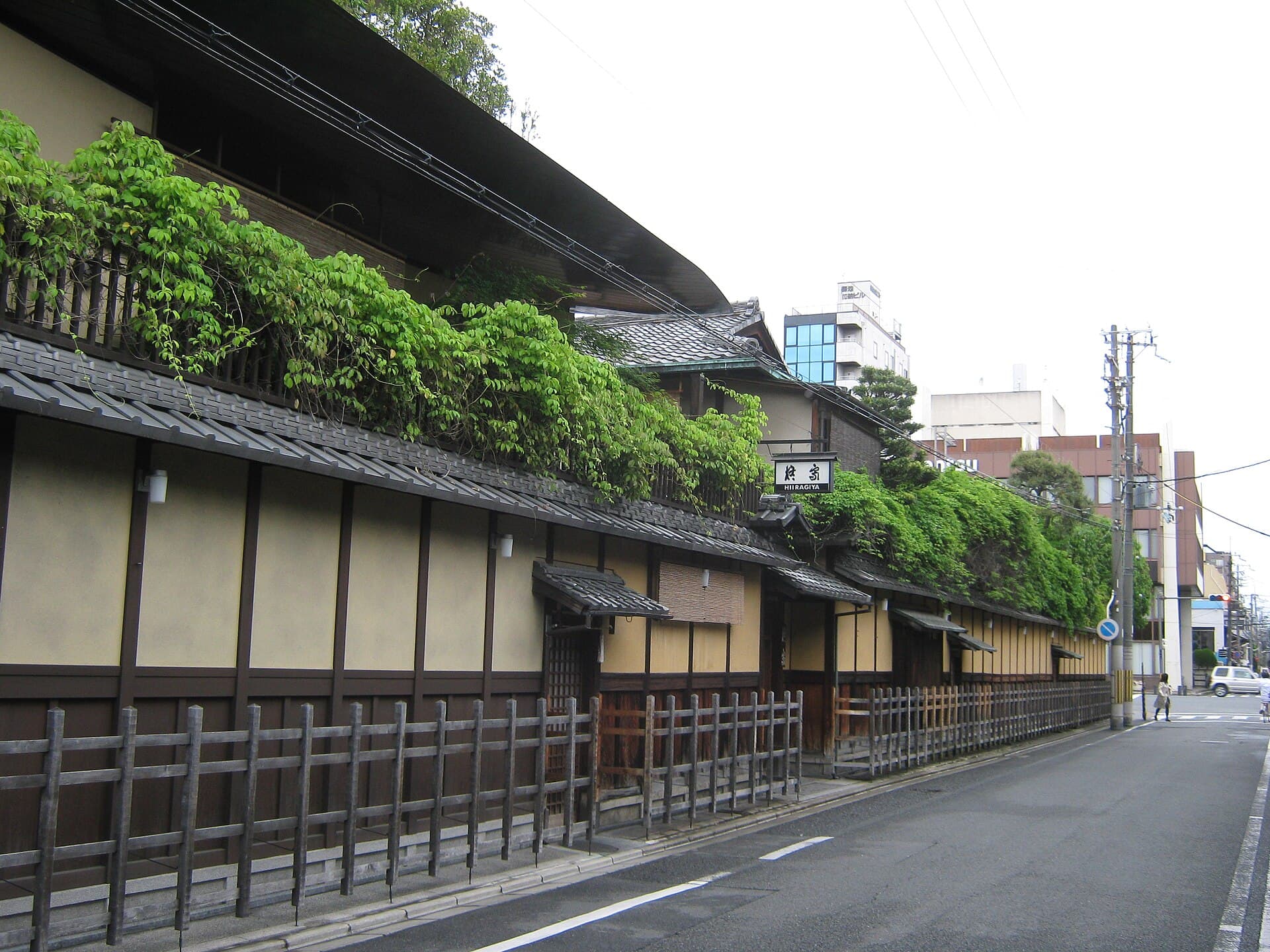
KyotoLuxury
Fuyacho-Anekoji, Nakagyo, Kyoto — in the city centre, a short walk from Kyoto City Hall
8 sources
Hiiragiya
柊家
Kyoto's 1818 inn of writers and film stars — near-flawless service and kaiseki, koyamaki-wood baths, and no hot spring
- Historic Ryokan
- Destination Dining

Aizu-WakamatsuClassic
Higashiyama Onsen, Aizu-Wakamatsu, Fukushima — a wooden inn beside the Yukawa river, a minute from the Higashiyama Onsen bus stop
9 sources
Mukaitaki
会津東山温泉 向瀧
Japan's first registered-heritage inn: a former Aizu clan bath retreat with scalding free-flowing water, free private baths and carp dinners in your room — and a lot of stairs
- Historic Ryokan

Kinosaki OnsenClassic
Yushima, Kinosaki, Toyooka, Hyogo — in the heart of the onsen town, two minutes from Goshonoyu
9 sources
Mikiya
城崎温泉 三木屋
Shiga Naoya's inn, rebuilt in wood in 1927 — some of Kinosaki's warmest service and two free private baths, though winter crab doesn't always live up to the price
- Historic Ryokan
Photo credits: Hiiragiya — the frontage on Anekoji-dori, Kyoto · Mariemon / CC BY 3.0 / Mukaitaki in the snow, Higashiyama Onsen, Aizu-Wakamatsu · Fumihiko Ueno / CC BY 3.0 / Mikiya — the wooden main building, Kinosaki · Ippukucho / CC BY 3.0
Okutsuso
Compare rates across trusted booking partners · Affiliate disclosure