Shima Tamura
四万たむら
Area photo — not the ryokan itself · The Shima River at Shima Onsen, Gunma · Kentaro Ohno / CC BY 2.0
A bath-keeper's inn since 1563 with seven free-flowing baths from its own riverbed sources — a mixed bath in the river, a waterfall-view open-air bath, a pebble-floored bath where the spring rises underfoot — in a big, ageing, maze-like building
Tamura was founded in 1563 by a samurai retainer who settled at Shima and became the area's bath-keeper under the Sanada lords; its thatched entrance and main house date from 1834, and guests have included the poet Yosano Akiko. Today it's a 47-room inn in three wings and the reason to come is the water: the inn's own sources, a sodium-calcium chloride-sulphate spring at 70–80°C rising from the riverbed, run free-flowing through seven baths, according to the inn. There's the riverside open-air bath Mori-no-Kodama facing a waterfall, the two-level main bath Iraka-no-yu with pebble floors where the spring wells up from below and tubs at three temperatures, the mixed Ryūgū bath dug into the riverbed, the retro Iwane-no-yu with a steam bath, and a paid private bath. Japanese guests rate it 4.4 across 2,047 reviews on one major site and 4.37 across 2,296 on another, with baths the highest-scored category everywhere (4.6–4.72) — and rooms, facilities and cleanliness the lowest. A 2024 blogger with nearly 200 ryokan stays called the private-room kaiseki the most authentic they'd had, and the spring-water rice porridge at breakfast is a favourite. The recurring complaints in 2026: an old, confusing building full of steps, dusty or musty rooms, rooms 'left to the inn' with poor views or no bath, few washing stations, and a buffet plan at the sister hotel some found institutional. Kaiseki plans start around ¥19,600 per person.
Room Selection Guide
What the guests who stayed here actually recommendRecommended
Kiyūkan (木涌館) corner rooms with a hinoki bath over the river
Only three exist: 12.5 + 4.5 mats for up to eight, with a 100% free-flowing hinoki bath above the Shinyu river. A blogger who stayed in winter 2022–23 loved the two connected rooms and private bath, and an October 2026 guest praised a special room's size, cleanliness and view. Kiyūkan is the premium wing; it also has designer Western rooms (narrow twin beds, one 2026 guest found) and top-floor maisonettes.
Suiyūkan (水涌館) rooms with a free-flowing hinoki bath
The standard wing's 15-mat rooms with large windows; a September 2026 guest found a Suiyūkan room 'very clean and well kept'. A June 2026 guest, though, arrived to an empty tub that took ages to fill and came out too hot, with dead insects in the room.
Request To Avoid
Kinyūkan (金涌館) standard rooms and 'room left to the inn' plans
The budget wing's standard rooms have no bath, and in 2024 one looked onto a neighbouring roof. In 2026 guests on 'room type left to the inn' plans got a room with no bath or shower without warning, or a window onto a roof of dead leaves and standing water. A Kinyūkan special room had a high entrance step and a cramped washbasin and bath (September 2026).
Know which room you want?
Check live rates and availability for Shima Tamura.
We may earn a commission if you book through these links, at no extra cost to you. Affiliate disclosure
Dining Deep Dive
Breakfast Consensus
3.9/5Rice porridge cooked in the drinkable spring water, steamed pork and vegetables and grilled fish, in a busy breakfast hall — the porridge is the dish guests remember; some 2026 guests found the rice coarse or the spread 'business-hotel level'
Book a kaiseki plan at Tamura itself rather than a buffet plan served at the sister Shima Grand Hotel. Plans that include the Crystal private bath (otherwise ¥2,200 for 40 minutes) are worth it. Day bathing is suspended, so the baths are for staying guests only; in summer you can reach the river bath in a swimsuit from the heated pool.
Dinner Insights
4.3/5Monthly kaiseki in private rooms at the Yamazakura restaurant or the semi-private Sekikei (opened July 2023): an October 2024 menu included amberjack and trout sashimi, the signature spring-steamed dish, wagyu sukiyaki and kettle-cooked Gunma Koshihikari, and Jōshū beef sukiyaki was the main in May 2026. Guests praise the authenticity and the warm (often international) staff. Complaints in 2026: very dark dining rooms, a server unable to explain dishes, a plain dinner, and the sister hotel's buffet plan called 'like school lunch'.
Onsen & Wellness Realities
The inn's own sodium-calcium chloride-sulphate spring (neutral, 70–80°C at source, about 1,600 L/min), colourless and drinkable, rising from the riverbed. The inn describes all its baths as free-flowing; it doesn't publish details on heating or added water. The official site variously counts six or seven sources.
Mori-no-Kodama, an open-air bath facing the river and a waterfall (6:00–23:00; the men's side is at river level, the women's above); Iraka-no-yu, a two-storey main bath with pebble floors and tubs at about 38, 39 and 42°C; Ryūgū, a mixed open-air bath in the riverbed that closes when the river rises (no bathing wraps — you undress in the changing room); Iwane-no-yu with a steam bath, sauna and cascade; and Gomusō-no-yu and the rock garden bath Ōketsu, which have rotated between men and women since May 2024 because one indoor bath is out of service. In-room hinoki and stone baths are free-flowing onsen. Gripes: few washing stations, baths too hot in summer, worn fittings, a confusing layout with many stairs, and moving between baths in a yukata.
No policy found on the official site or Japanese booking sites — contact the inn. Rooms with their own bath and the private bath avoid sharing.
Local Warnings & Nuances
- 01
Check-in 15:00 (official last check-in 18:00), check-out 11:00. Free parking for 120 cars; no shuttle from Nakanojō Station.
- 02
A large, old building with three wings, three lifts and many steps — guests in 2026 found it maze-like and hard for older visitors.
- 03
Cleanliness is the weakest score: 2026 reviews mention dusty air conditioners, musty corridors and an odour in a lower-floor room.
- 04
Day bathing is suspended (since June 2026), and the inn lists occasional closure days.
- 05
The Ōketsu bath is a rock bath built to imitate Shima's famous river potholes, not the natural potholes themselves.
Sources
The real blog posts and stay reports this article draws on
More Consensus Reports

Shima OnsenValue
Shima Onsen, Nakanojo, Gunma — beside the red bridge at the top of the old onsen village
9 sources
Sekizenkan
積善館
A 1691 bathhouse inn, a 1930 bathhall and a modern tower on one hillside — pick your building carefully, and stay the night for Genroku-no-yu without the day crowds
- Historic Ryokan
- Private Onsen Rooms
KyotoLuxury
Fuyacho-Anekoji, Nakagyo, Kyoto — in the city centre, a short walk from Kyoto City Hall
8 sources
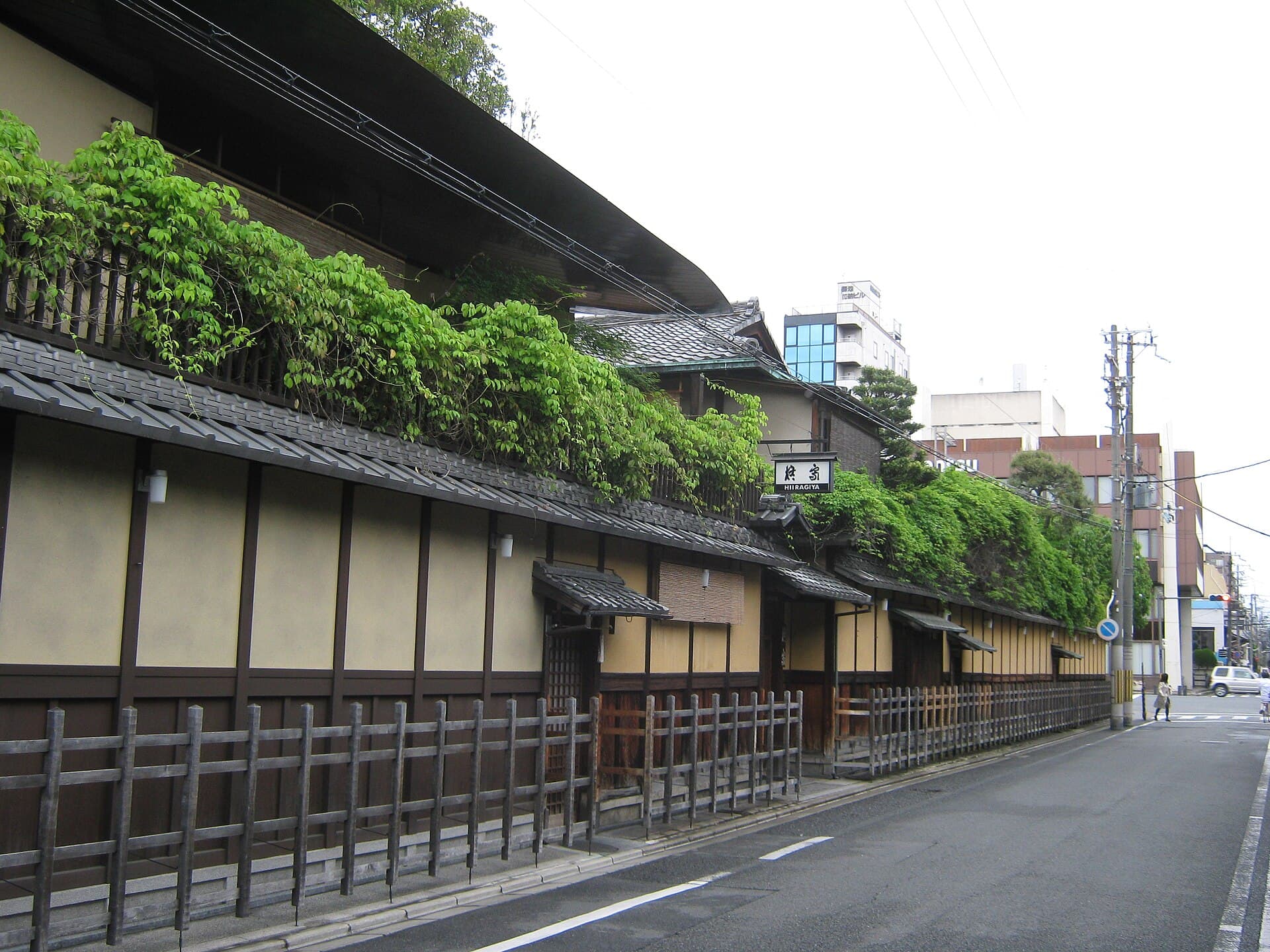
Hiiragiya
柊家
Kyoto's 1818 inn of writers and film stars — near-flawless service and kaiseki, koyamaki-wood baths, and no hot spring
- Historic Ryokan
- Destination Dining

Aizu-WakamatsuClassic
Higashiyama Onsen, Aizu-Wakamatsu, Fukushima — a wooden inn beside the Yukawa river, a minute from the Higashiyama Onsen bus stop
12 sources
Mukaitaki
会津東山温泉 向瀧
Japan's first registered-heritage inn: a former Aizu clan bath retreat with scalding free-flowing water, free private baths and carp dinners in your room — and a lot of stairs
- Historic Ryokan
Photo credits: Sekizenkan — the Honkan and the red Keiun Bridge, Shima Onsen · Kentaro Ohno / CC BY 2.0 / Hiiragiya — the frontage on Anekoji-dori, Kyoto · Mariemon / CC BY 3.0 / Mukaitaki in the snow, Higashiyama Onsen, Aizu-Wakamatsu · Fumihiko Ueno / CC BY 3.0
Shima Tamura
Compare rates across trusted booking partners · Affiliate disclosure