Fujisan Ryokan
鉛温泉 藤三旅館
Fujisan Ryokan, Namari Onsen · 掬茶 / CC BY-SA 4.0
A zelkova-wood inn beloved of Miyazawa Kenji, with a hand-dug rock bath 1.25 metres deep where you stand in water rising straight from the floor — superb free-flowing water, rustic rooms, and a self-catering tōji wing that divides opinion
Fujisan Ryokan has stood alone at Namari since a public bathhouse was built in 1786, and legend says the spring was found when a woodcutter saw a white monkey healing its wounds at the foot of a katsura tree. The three-storey main building of 1941 is built entirely of zelkova; the poet Miyazawa Kenji, a distant relative, visited often, and the inn appears in the film Our Little Sister. The draw is the Shirasaru-no-yu, a two-storey-high hall where you stand in a hand-dug rock tub about 1.25 metres deep as water bubbles up from the bottom — mixed, with women-only hours. All four bathhouses use alkaline water at 57°C from five sources, 100% free-flowing with no heating, added water or recirculation. Japanese guests rate it 4.45 across 2,555 reviews on one major site and 4.2 across 3,011 on another, with baths scoring highest and rooms and cleanliness lowest. The inn has two halves: the Ryokan wing, with generous dinners in semi-private booths (Iwate wagyu, Hanamaki pork, excellent rice) and old wooden rooms without private toilets; and the Tōji wing for traditional hot-spring cures, with shared toilets, a self-catering kitchen, no air conditioning and rooms you make up yourself — loved by fans of 'shabby' charm, panned by others for dirt, cobwebs and torn fusuma. Ryokan-wing stays with two meals run about ¥15,000–27,000 per person in 2026; the Tōji wing about ¥8,000–14,000.
Room Selection Guide
What the guests who stayed here actually recommendRecommended
Annexe (別館) Japanese-Western or Japanese rooms with their own toilet
The concrete 1967 annexe has the few rooms with a toilet and basin — a 2024 guest called them comfortable, and a July 2026 reviewer found one freshly renovated and clean. A 2025 blogger recommends the concrete rooms for anyone sensitive to the 'old-house smell' the wooden wing gets in humid weather.
Main-building (本館) zelkova rooms — the corner room or the river-view rooms
The atmosphere: an 8+6-mat corner room with windows on two sides (used in Our Little Sister), the 8+4-mat room where the writer Tamiya Torahiko stayed, and river-view rooms where you hear the Toyosawa even with the windows shut. A party of three paid ¥19,200 each with two meals for the corner room in winter 2024–25. No private toilets, and children aren't accepted in this building.
Request To Avoid
Tōji wing (湯治部) — unless you want the old self-catering experience
Shared toilets and kitchen, a fan in summer and a fan heater in winter, and futons you lay out yourself. Repeat guests love its shabbiness; others found it uncleaned with a bad futon (2025), dirty windows and cobwebs like a 'training camp' (August 2026), or torn fusuma (September 2026) — and the inn itself suggested booking the main building next time. River-side rooms anywhere are noisy after rain.
Know which room you want?
Check live rates and availability for Fujisan Ryokan.
We may earn a commission if you book through these links, at no extra cost to you. Affiliate disclosure
Dining Deep Dive
Breakfast Consensus
4.1/5A local breakfast with famously good rice and the inn's signature ham and eggs — served in the Tōji wing too
Time your visit to the Shirasaru-no-yu: women-only hours are 6:00–7:00, 11:00–13:00 and 20:00–22:00, it closes on Fridays 10:00–14:00 for cleaning and after floods, and day visitors crowd it in the afternoon. Book the private Gin-no-yu (¥1,100, 50 minutes) after you arrive — slots go first come, first served.
Dinner Insights
4.1/5Ryokan-wing guests eat in semi-private booths at the Tomoshibi dining room: the Ume course with a Hanamaki Hakkin pork hotpot, the Take course with A5 Iwate wagyu shabu-shabu or sukiyaki, and the Matsu course with beef or sea bream and crab shabu-shabu and a whole grilled kichiji. Guests praise the rice and generous portions — too generous for some older guests (smaller portions on request). The Tōji-wing set meal is delivered to your room at 17:00 and is noticeably simpler; one 2026 reviewer scored it 2 for 'too few dishes'.
Onsen & Wellness Realities
An alkaline simple spring at 57°C from five sources; all four bathhouses are 100% free-flowing — no heating, no added water, no recirculation — and even the showers run on spring water.
Shirasaru-no-yu is a mixed, standing-only rock bath (average 1.25m, up to about 1.5m deep) reached by some 20 steps, with no door between the changing area and the bath and no washing area. Katsura-no-yu has men's and women's sides that never swap, with riverside open-air baths (open 24 hours). Shiraito-no-yu, renovated in 2024, has a waterfall view and a sauna with a deep cold plunge; men's and women's hours alternate. Gin-no-yu is a small private bath. Several reviewers found the baths very hot, and the shower pressure weak.
No policy on the official site or Japanese booking sites — contact the inn. The private Gin-no-yu avoids sharing.
Local Warnings & Nuances
- 01
Getting there: the Hanamaki Minami Onsen-kyō shuttle from Shin-Hanamaki Station (15:10, 16:10, 17:10; reservation required; ¥100 each way from September 2026), or about 20 minutes by car from Hanamaki-Minami IC. Free parking.
- 02
Check-in 15:00–21:00, check-out 10:00.
- 03
No children in the main wooden building, and no lift down to the Shirasaru bath — those with poor mobility should use the other baths.
- 04
The self-catering Tōji wing has changed: check-in is now at the main lobby, the old riverside Tōji building was demolished, and the shop has closed.
- 05
Day visitors bathe 10:00–21:00 (¥800), so the baths are busiest in the afternoon. The inn's annexe, Kokoro no Toki Jūsangatsu, shares the same baths.
Sources
The real blog posts and stay reports this article draws on
More Consensus Reports
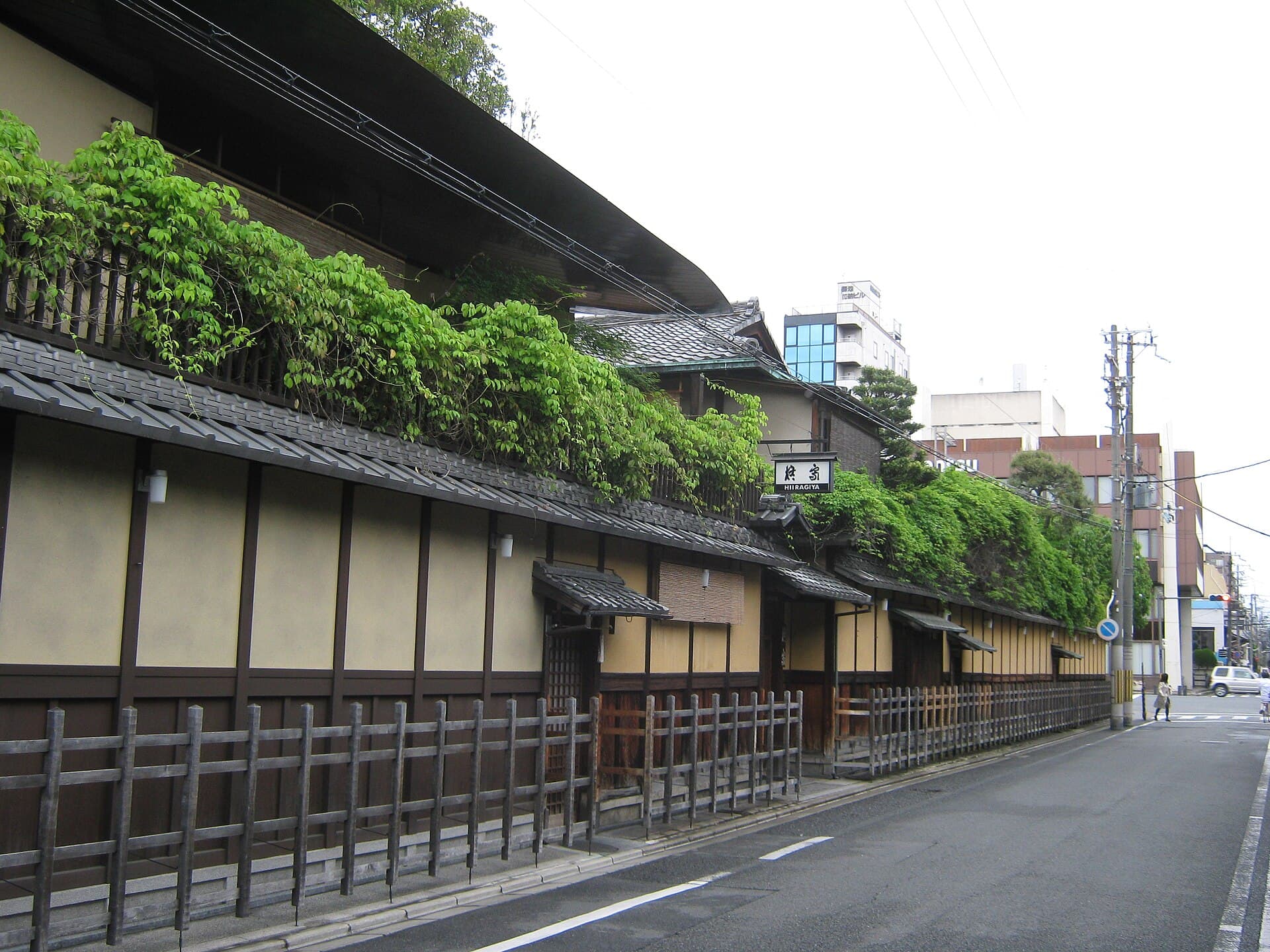
KyotoLuxury
Fuyacho-Anekoji, Nakagyo, Kyoto — in the city centre, a short walk from Kyoto City Hall
8 sources
Hiiragiya
柊家
Kyoto's 1818 inn of writers and film stars — near-flawless service and kaiseki, koyamaki-wood baths, and no hot spring
- Historic Ryokan
- Destination Dining

Aizu-WakamatsuClassic
Higashiyama Onsen, Aizu-Wakamatsu, Fukushima — a wooden inn beside the Yukawa river, a minute from the Higashiyama Onsen bus stop
9 sources
Mukaitaki
会津東山温泉 向瀧
Japan's first registered-heritage inn: a former Aizu clan bath retreat with scalding free-flowing water, free private baths and carp dinners in your room — and a lot of stairs
- Historic Ryokan

Kinosaki OnsenClassic
Yushima, Kinosaki, Toyooka, Hyogo — in the heart of the onsen town, two minutes from Goshonoyu
9 sources
Mikiya
城崎温泉 三木屋
Shiga Naoya's inn, rebuilt in wood in 1927 — some of Kinosaki's warmest service and two free private baths, though winter crab doesn't always live up to the price
- Historic Ryokan
Photo credits: Hiiragiya — the frontage on Anekoji-dori, Kyoto · Mariemon / CC BY 3.0 / Mukaitaki in the snow, Higashiyama Onsen, Aizu-Wakamatsu · Fumihiko Ueno / CC BY 3.0 / Mikiya — the wooden main building, Kinosaki · Ippukucho / CC BY 3.0
Fujisan Ryokan
Compare rates across trusted booking partners · Affiliate disclosure