Ryokan Ohashi
旅館大橋
Ryokan Ohashi's registered wooden wings on the Mitoku river, Misasa Onsen · Zai零細系統保護協会 / Public domain
A 1932 riverside inn registered as a cultural property, with a half-underground cave bath where radium and thorium water rises through the rock — unforgettable baths, uneven service
Ohashi was completed in 1932 from rare local timbers and stretches about 120 metres along the Mitoku river; nearly the whole inn — main building, two annexes, a 100-mat hall with a kabuki stage and an arched bridge — is a registered tangible cultural property. Rooms are named for the wood they're built from, such as Nanten with its umbrella-shaped ceiling of nandina, and the wavy hand-made window glass survives. The star is the Gankutsu-no-yu, a half-underground cave bath of three rock tubs where water wells up through the old riverbed: two radium springs and a thorium spring the inn says is unique in Misasa. The inn owns five sources and its baths are described as free-flowing, though one booking site notes water is added to cool the roughly 60°C spring. Japanese guests rate it 4.5 across 694 reviews on one major site and 4.41 across 279 on another, with baths and dinner scoring highest; winter brings Matsuba crab kaiseki. The complaints recur, though: rooms that are hot in summer and cold in winter, thin walls and river noise, standard rooms with no onsen bath, an uneven rock floor that's risky for unsteady guests, women able to use the cave bath only until 21:00, and signs of short staffing from 2022 to 2026 — slow check-in, an unstaffed front desk, a wrong crab course. One 2022 couple felt quality dropped after a chef change; 2025–2026 dinner reviews are mostly positive. Weekday rates start around ¥28,600 per person with two meals.
Room Selection Guide
What the guests who stayed here actually recommendRecommended
Rooms with their own free-flowing onsen — Nanten (南天), Ume (梅), Yuri (百合), Gotō (梧桐)
Nanten's nandina-wood umbrella ceiling draws praise in review after review ('you feel the craftsmen's spirit'); Yuri is a maisonette with a semi-open cypress bath down a staircase; the special room Gotō has beds and a cypress bath fed from the source, and private-room meals. The three open-air-bath rooms use 'the 60°C spring as it is' (you can't choose full or semi-open).
Standard rooms on the river side
8–10 mats plus an enclosed sun porch, spacious with river views — a 2024 blogger on the third floor was happy — and the best value. Their bathrooms aren't onsen, so plan on the shared baths.
Request To Avoid
Any room in high summer or deep winter, and Hisago (ひさご) if you're a light sleeper
In July 2026 Ume couldn't be cooled even with the air conditioner at 17°C, and Hisago had thin walls, noise from above, corridor light through the shoji and in-room baths too hot to use. In winter guests found open-air-bath rooms cold and had to set heaters to 30°C. The river is loud, there's no lift, and pre-school children aren't accepted.
Know which room you want?
Check live rates and availability for Ryokan Ohashi.
We may earn a commission if you book through these links, at no extra cost to you. Affiliate disclosure
Dining Deep Dive
Breakfast Consensus
3.8/5A Japanese breakfast set in the Kameheitei dining room (7:30, 8:00 or 8:30) — some found it unremarkable
Book a private dining room (¥2,200) if you'd rather not eat in the large hall, and order a live crab (¥33,000) at least five days ahead in winter. Book the free shuttle from Kurayoshi by the day before.
Dinner Insights
4.3/5Dinner is in the Kameheitei dining room (private rooms for the special room or for ¥2,200): the seasonal Wa-no-Kiwami kaiseki, and from November Matsuba crab as sashimi, shabu-shabu, grilled and tempura. Recent reviewers mostly rate dinner highly — clam chawanmushi, wagyu and a seared-flounder ochazuke were favourites. The bad nights are memorable: a 2022 couple got the wrong course on an expensive live-crab plan and cold crab, a 2024 guest found the grilled crab and crab miso cold, and 2025–2026 reviewers mention small portions for the price, a cold ochazuke and no rice refills.
Onsen & Wellness Realities
A weakly radioactive sodium chloride spring at about 62°C from five sources owned by the inn, three of them rising naturally. Described as free-flowing; one booking site says water is added to cool it.
Two bath areas swap by time: the Gankutsu-no-yu cave bath (three rock tubs, chest-deep in places, with no spouts — the water rises from the rock) is for women 14:00–21:00 and men 21:30–24:30 and 5:00–10:00, while the Seseragi-no-yu (indoor, semi-open cypress and riverside open-air baths) takes the opposite hours. The uneven rock floor is a repeated warning for older or unsteady guests. There are no bookable private baths; only some rooms have their own onsen.
No policy found on the official site — contact the inn. Rooms with their own onsen bath avoid sharing.
Local Warnings & Nuances
- 01
Getting there: free shuttle from JR Kurayoshi Station by reservation (the official site lists 14:15 and 16:15, with slightly later times in winter); free parking for 20 cars.
- 02
Check-in 15:00, check-out 10:00. Pre-school children aren't accepted because sound carries in the wooden building.
- 03
No lift and many stairs — the entrance is on the second floor of a three-storey wooden building.
- 04
Service has been uneven since 2022: slow check-in, an unstaffed front desk, extra charges for fresh yukata or towels, and a wrong price on the drinks menu.
- 05
The inn warns of stink bugs in winter; one March 2026 guest found large ones in the room.
Sources
The real blog posts and stay reports this article draws on
More Consensus Reports
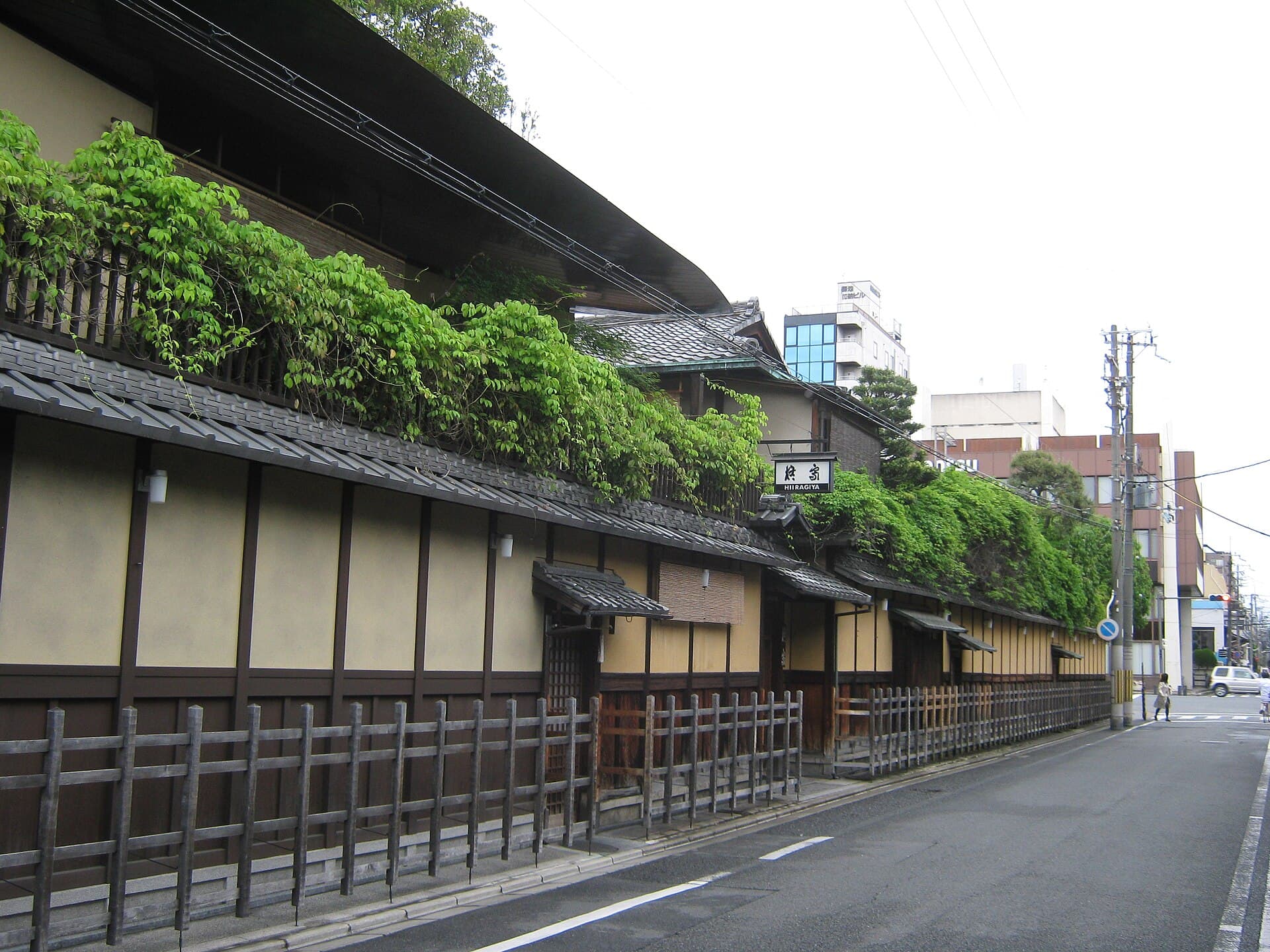
KyotoLuxury
Fuyacho-Anekoji, Nakagyo, Kyoto — in the city centre, a short walk from Kyoto City Hall
8 sources
Hiiragiya
柊家
Kyoto's 1818 inn of writers and film stars — near-flawless service and kaiseki, koyamaki-wood baths, and no hot spring
- Historic Ryokan
- Destination Dining

Aizu-WakamatsuClassic
Higashiyama Onsen, Aizu-Wakamatsu, Fukushima — a wooden inn beside the Yukawa river, a minute from the Higashiyama Onsen bus stop
9 sources
Mukaitaki
会津東山温泉 向瀧
Japan's first registered-heritage inn: a former Aizu clan bath retreat with scalding free-flowing water, free private baths and carp dinners in your room — and a lot of stairs
- Historic Ryokan

Kinosaki OnsenClassic
Yushima, Kinosaki, Toyooka, Hyogo — in the heart of the onsen town, two minutes from Goshonoyu
9 sources
Mikiya
城崎温泉 三木屋
Shiga Naoya's inn, rebuilt in wood in 1927 — some of Kinosaki's warmest service and two free private baths, though winter crab doesn't always live up to the price
- Historic Ryokan
Photo credits: Hiiragiya — the frontage on Anekoji-dori, Kyoto · Mariemon / CC BY 3.0 / Mukaitaki in the snow, Higashiyama Onsen, Aizu-Wakamatsu · Fumihiko Ueno / CC BY 3.0 / Mikiya — the wooden main building, Kinosaki · Ippukucho / CC BY 3.0
Ryokan Ohashi
Compare rates across trusted booking partners · Affiliate disclosure