Inatori Ginsuiso
稲取銀水荘
Area photo — not the ryokan itself · Shuzenji Onsen, Izu · 663highland / CC BY-SA 4.0
The big Izu ocean-view ryokan once voted No. 1 for hospitality 15 years running: simmered kinmedai, an all-day free lounge and suites with their own spring-fed open-air baths — but unrenovated rooms, recurring corridor smells and a dated main bath drag it down
Inatori Ginsuiso opened in 1957 as a 13-room inn, drilled its own hot spring in 1962 and was rebuilt in 1983 as a 10-storey, 101-room ryokan above the sea; the travel trade's 'professionals' choice' ranking put it first for hospitality in 1984 and then 15 years running from 1996. Since 2010 it has been renovating floor by floor: the Gin-no-Shiori suites on the top floors, sixth-floor luxury suites (2018) beside the Gin-no-Umi dining room and an all-day lounge, and fourth-floor suites in 2023 — 17 rooms in all with a free-flowing open-air bath on the inn's own sodium-calcium chloride spring. Japanese guests rate it 4.5 across 2,910 reviews on one major site and 4.48 across 3,556 on another, praising the warm staff, the lounge with free drinks and desserts, sea views, a breakfast buffet with grilled dried fish made in front of you, and kaiseki built around kinmedai simmered in a broth kept going year after year, with spiny lobster and abalone. The weak spots are just as consistent in 2025–2026: a musty or sewage-like smell in the lobby and some corridors (raised in many reviews; the inn says it is checking the equipment), old unrenovated rooms whose bathrooms aren't onsen, a main bath that is part-recirculated, chlorinated and showing its age, air conditioning that's hard to adjust, crowded breakfasts and lounge, and dinners that some found rushed and others slow. Standard kaiseki plans start around ¥22,000–30,000 per person; suites with open-air baths from about ¥44,000.
Room Selection Guide
What the guests who stayed here actually recommendRecommended
Sixth-floor luxury suites with an open-air bath (e.g. Kohaku 琥珀)
Renovated in 2018 with a free-flowing open-air bath on the inn's own spring, and on the same floor as the Gin-no-Umi dining room and the lounge — two August 2026 guests praised the convenience. Screens on some balconies limit the sea view from the bath (2026), and one January 2026 guest in Shusha heard a whistling draught at night. One blogger suggests the 4th-floor suites (2023) if you'll use the main bath.
Gin-no-Shiori suites (銀の栞) on the 9th–10th floors
Eight suites from 54㎡ to the 135㎡ Gagaku, each with an open-air bath; all but Shirotae serve dinner in the room (2025 and April 2026 stays). One September 2025 guest in a royal suite found the in-room dinner too quick — five plates in 37 minutes.
Request To Avoid
Unrenovated standard Japanese rooms, especially on the 7th floor
In August and September 2026 guests found old tatami and plumbing, a toilet smell and a dark, musty room (one was moved). Bathrooms in regular rooms are not onsen. The 2022 'upgraded' Japanese rooms are clean but have only a shower booth, windows that don't open and an old wall air conditioner; the Comfort Twin's deep tub has no handrail.
Know which room you want?
Check live rates and availability for Inatori Ginsuiso.
Rakuten Travel, one of Japan's biggest booking sites, lists plans and prices in Japanese — your browser's translate button works on it.
We may earn a commission if you book through these links, at no extra cost to you. Affiliate disclosure
Dining Deep Dive
Breakfast Consensus
4.4/5A buffet (7:00–9:30) with grilled dried horse mackerel, dashimaki made to order, onigiri shaped in front of you and local produce — popular, but crowded later in the morning
Go to breakfast by about 7:30 for a window seat. The lounge on the 6th floor is free all day (drinks and snacks change by time slot; desserts after dinner) but gets busy at cake time. Take the free shuttle from Izu-Inatori Station (13:00–19:00), and set your car navigation by phone number. Bring towels from your room to the main bath.
Dinner Insights
4.2/5Kaiseki in the Gin-no-Umi dining room (opened 2017; 17:30, 18:30 or 19:30), in private rooms for groups, or in some top-floor suites. Higher plans add a whole simmered kinmedai per room and steak. Guests in 2024–2026 praise spiny-lobster sashimi, abalone grilled at the table, the lightly seasoned simmered kinmedai and a smoked kinmedai dish served under a glass dome. Complaints vary: rushed service and cold food (January 2026), a long wait between courses (December 2025), and partitions one guest said weren't there despite the inn's description.
Onsen & Wellness Realities
The inn's own sodium-calcium chloride spring (weakly alkaline, about 81–85°C at source, 270 L/min). The main baths are run on a combined flow-through and recirculating system, cooled with added water and chlorinated; the 17 rooms with open-air baths are described by the inn as free-flowing.
A large indoor bath with an ocean-view open-air bath, a reclining bath (added December 2022) and a sauna with cold plunge on the 2nd floor (5:00–9:30, 11:30–25:00); the men's and women's sides never swap, and there are no private baths. A 2025 blogger found the main bath the most dated part of the inn — a tall dividing wall, a steamy indoor bath and a sea view only when standing in the outdoor tub. Guests report the water too hot or too cool on different days.
The inn states that tattoos — including stick-on or painted ones — are not allowed in the large baths, open-air bath or pool. Rooms with their own open-air bath avoid sharing.
Local Warnings & Nuances
- 01
Check-in 14:00, check-out 10:00 (11:00 in rooms with an open-air bath). Free parking.
- 02
Many 2025–2026 reviews mention a stale or sewage-like smell in the lobby and some corridors; the inn said in September 2026 that it is checking the equipment. The 6th floor and bath floor are reported fine.
- 03
A large inn with many young staff; most guests praise their warmth, a few note language gaps.
- 04
Families are well catered for: children's menus, baby beds and baths, and an on-site pet kennel (pets aren't allowed inside).
- 05
Outside food and drink aren't allowed; day bathing is available 14:00–19:00 for ¥2,500.
Before your stay
Souvenirs from Izu and practical help for your trip.
Izu souvenirs on Rakuten

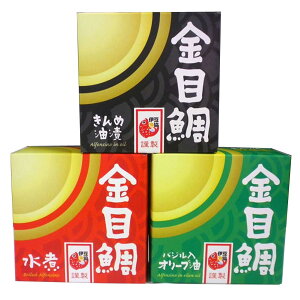
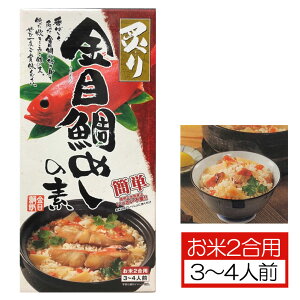
Rakuten prices as of Oct 18, 2026 — check the shop for current price and stock. Supported by Rakuten Developers Rakuten links are affiliate links: we may earn a commission at no extra cost to you.
Things to do nearby
Izu: sights, experiences and seasonal events from Trip Gacha, our sister site.

Photo credits
- Nijinosato Illumi the Night 2026: Batholith / Public domain, Wikimedia Commons
Sources
The real blog posts and stay reports this article draws on
Featured in our guides
Side-by-side comparisons that include this ryokan.

Best ryokan in Izu: 10 inns compared on onsen, food and price
Ten Izu ryokan compared from stay reports: spring-water baths in the room, kaiseki, heritage buildings, value, family and pet-friendly stays, with the catch at each inn.
Read the guide
Izu souvenirs: Amagi wasabi, himono dried fish, Shuzenji sweets and where to buy them
What to buy in Izu: fresh wasabi and wasabi-zuke from Amagi, himono dried fish, Shuzenji manju, shiitake, guri-cha and Inatori's hanging hina, and where.
Read the guide
What to pack for a ryokan stay in Japan (and what the inn already gives you)
A ryokan packing list based on real inns: what a Japanese inn normally provides (yukata, towels, slippers, toiletries) and the exceptions our research records, what to wear with a yukata, socks for tatami rooms, a small bath bag for onsen towns, the things often missing (toothbrush, hair dryer, sockets, earplugs), cash for bath tax and bath passes, and how to travel light by sending your suitcase ahead.
Read the guide
Ryokan easy from Tokyo: the best onsen inns within two to three hours
Fourteen real ryokan you can reach from Tokyo for one or two nights, with how to get there by Romancecar, Odoriko, Shinkansen or direct bus, which inn suits a tight budget, a private bath, history or food, and the catches Japanese guests report.
Read the guideTattoo-friendly ryokan — and how to soak in Japan when the shared bath says no
Three ryokan that openly accept tattoos, four that allow small covered ones, and eleven that ban tattoos in the shared baths but let you soak in your own room or a private bath — each inn's policy exactly as it states it, and the right room to book.
Read the guidePhoto credits
- Arai Ryokan — the entrance, Shuzenji · Batholith / Public domain
- Ikadaba wasabi fields, Izu City · Batholith / Public domain
- Shibu Onsen, Yamanouchi, Nagano · David McKelvey / CC BY 2.0
- Gora Kadan — the former Kan'in-no-miya imperial villa, Hakone · 663highland / CC BY 2.5
More Consensus Reports
 Area photo
IzuPremium
Shuzenji Onsen, Izu, Shizuoka — in a bamboo grove about 10 minutes by taxi from Shuzenji Station
9 sources
Yagyu no Sho
柳生の庄
Fifteen sukiya rooms in a bamboo grove, Kyoto-style kaiseki in your room and empty garden baths — superb food and calm, but some rooms are showing their age
- Private Onsen Rooms
- Destination Dining
Area photoIzuLuxury
Shuzenji, Izu City, Shizuoka
14 sources
Asaba
あさば
A 540-year-old ryokan with a working Noh stage, and service that isn't always as polished as the history
- Private Onsen Rooms
- Historic Ryokan
Area photoIzuLuxury
Yugashima Onsen, Izu, Shizuoka — where two rivers meet to form the Kano river in the Amagi foothills, about 20–25 minutes by the inn's shuttle from Shuzenji station
12 sources
Ochiairo
おちあいろう(旧 落合楼村上)
A registered-heritage Yugashima inn from 1874, now run as an all-inclusive luxury ryokan with celebrated saunas — but only three rooms have pure spring-water baths, and the 2025 switch to a swimsuit mixed bath splits guests
- Historic Ryokan
- Private Onsen Rooms
Area photoIzuPremium
Izu-Nagaoka Onsen, Izunokuni, Shizuoka — a 1929 Mitsubishi family villa set in a 3,000-tsubo garden, reached by the inn's free shuttle from Izu-Nagaoka Station
12 sources
Sanyoso
伊豆長岡温泉 三養荘
A Mitsubishi family villa with a garden by Ogawa Jihei and a wing by Togo Murano, where every room has its own onsen bath — superb for architecture and gardens, less so for anyone who minds long corridors or wants a showpiece dinner
- Historic Ryokan
- Private Onsen Rooms
Area photoIzuClassic
Izu-Nagaoka Onsen, Izunokuni, Shizuoka — a small inn in the Nagaoka spa district, 9 minutes by bus (or a free pickup on request) from Izu-Nagaoka Station on the Izuhakone Railway from Mishima
13 sources
Izu-Nagaoka Onsen Fukuritei Ogawaya
伊豆長岡温泉 福狸亭 小川家
A century-old Izu-Nagaoka inn rebuilt around travelling with small dogs and cats: pets roam free in 16-tatami rooms, kaiseki dinner and breakfast are served in the room, and there's an onsen foot bath just for dogs — but the large baths are up a long staircase, neighbouring dogs bark, and the private baths cost extra
- Easy From Tokyo
Area photoIzuClassic
Izu-Nagaoka Onsen, Izunokuni, Shizuoka — a low-rise garden inn in the Nagaoka spa district, about 10 minutes by bus from Izu-Nagaoka Station on the Izuhakone Railway from Mishima
10 sources
Izu-Nagaoka Onsen Yumeguri no Yado Yoshiharu
伊豆長岡温泉 湯めぐりの宿 吉春
A 1952 garden inn built for 'bath-hopping': five free private open-air baths you simply walk into when they're free, two large baths and ten rooms with their own outdoor tub — but the spring water is heated and recirculated, the stairs make it a maze, and the facilities are starting to show their age
- Private Onsen Rooms
- Easy From Tokyo
Photo credits: Shuzenji Onsen, Izu · 663highland / CC BY-SA 4.0
Inatori Ginsuiso
Compare rates across trusted booking partners · Affiliate disclosure