Yunoshimakan
下呂温泉 湯之島館
Yunoshimakan — the registered-heritage main building, Gero · 大野 一将 / CC BY-SA 4.0
A 1931 wooden resort inn that hosted two emperors — red-carpeted corridors, a Showa-era bar and Hida beef at 4.9 — but also a maze of stairs and a persistent musty smell
Yunoshimakan opened in 1931 as a grand resort — billiards, a dance hall, tennis courts — and its wooden main building, entrance and connecting corridor have been registered cultural properties since 2010. Emperor Showa stayed in 1958 and the present Emperor Emeritus in 1976. Japanese guests love the atmosphere: red-carpeted corridors and a spiral staircase that bloggers compare to Spirited Away, a self-guided building tour with a stamp rally, free billiards and coffee, and the old Club Moonlight bar. Food is the other highlight — dinner scores 4.9 across 1,459 reviews on one major site, built around Hida beef — along with gentle, alkaline spring water that fills every room bath. The weaknesses are those of a 95-year-old complex: several 2026 reviewers complained of a strong musty or mouldy smell (the inn says it is consulting specialists), draughty original windows, insects in the open-air baths, a building 'like a maze' with stairs appearing at random, a 20-step climb to one open-air bath, thin walls in the main building, and a large bath where the water is partly recirculated and loses its scent. Tattooed guests are generally refused in the large baths. Expect around ¥30,000 per person with two meals.
Room Selection Guide
What the guests who stayed here actually recommendRecommended
Special rooms in the main building (e.g. Kumoi-no-ma, Sanrakuso)
Four special rooms including the 31-tatami Nanae-yae-no-ma where Emperor Showa stayed. A February 2025 guest in Kumoi-no-ma — the only special room with a view from its open-air bath — loved the free-flowing ceramic tub; a 2023 guest in Sanrakuso on the top floor had both indoor and open-air baths and a very kind attendant. Both require stairs.
Annex rooms with open-air bath and Keizanso rooms
Six annex rooms have a private open-air bath (a 2024 guest's looked onto the garden). Keizanso, an 11-storey 1987 wing, gives every room a view bath with fully opening windows; Suisen-no-ma is the only room with beds (closed for renovation from September 2026 to January 2027).
Request To Avoid
Main-building standard rooms
No bath of their own — you'll use the large baths — and the inn itself warns that soundproofing is original, so you may hear neighbours. Original window frames let in draughts in midwinter.
Rooms reported as musty (e.g. Momiji-no-ma, Suisen-no-ma)
Three reviewers between May and August 2026 described a strong mould smell, one in Momiji-no-ma and one in Suisen-no-ma; another found annex doors that stuck. Ask for a recently aired or renovated room.
Know which room you want?
Check live rates and availability for Yunoshimakan.
We may earn a commission if you book through these links, at no extra cost to you. Affiliate disclosure
Dining Deep Dive
Breakfast Consensus
4.3/5Salmon grilled in hoba miso — 'by far the best', one guest said — and braised pork, served in the 8th-floor Tsuru-no-ma hall (special rooms eat in private rooms)
Ask at the front desk for the self-guided building tour and stamp rally (spiral staircase, imperial photo gallery, Club Moonlight bar) — and use your one free family-bath slot.
Dinner Insights
4.6/5Seasonal kaiseki built around Hida beef — shabu-shabu or steak depending on the plan, and on one plan a tasting of fillet, sirloin and rump — plus hoba-wrapped grilled sushi and grilled ayu. It's served in private dining rooms in Keizanso or, on some plans, in your room (which one guest with bad knees found hard). A lighter-portion course is available. Allergy requests need three days' notice; A5 Hida sirloin (120g) is ¥5,500 extra. One 2026 guest found the children's plate poor.
Onsen & Wellness Realities
The inn's own alkaline simple spring (pH 8.9, 55°C at source), struck in 1928; it supplies every room bath and even the showers. The large baths are partly recirculated and partly free-flowing — one blogger felt the aroma was mostly lost.
Two sets of large indoor and open-air baths swap between men and women during cleaning (1:00–5:00). One open-air bath is up about 20 steps — too much for one guest's father — windows of the large bath can be seen from outside, and insects and mosquitoes are a recurring complaint at the outdoor baths. Retro basement family baths (one free slot for some plans) are dimly lit with a buzzing neon.
The inn states that guests with tattoos are, in principle, refused in the large baths. Rooms with their own bath or open-air bath, and the family baths, are the alternative.
Local Warnings & Nuances
- 01
Free shuttle from JR Gero Station at 13:35, 14:35, 15:35, 16:35 and 17:25, returning 8:30–11:10; there's a steep slope down to the town. Check-in 15:00, check-out 11:00.
- 02
Listed prices are per adult with two meals, tax and service included; bath tax (¥150) is extra. Reviewers in 2026 paid ¥29,000–30,000+ per person.
- 03
The building is a maze of corridors and stairs; a wheelchair can be borrowed and there is a lift, but several special rooms and one open-air bath need stairs.
- 04
All rooms are non-smoking.
- 05
Children are welcome, with children's kaiseki at 50–70% of the adult rate.
Sources
The real blog posts and stay reports this article draws on
- 2025年2月【2/2】岐阜「下呂温泉 湯之島館」泊 雲井之間に宿泊。千と千尋のような本館とクラシカルな洋館を楽しむ! (しろいるか旅行記)
- 湯之島館 ① (すまりんの てくてく ふたり旅)
- 登録有形文化財の宿 下呂温泉 ホテル湯之島館に宿泊 (4travel.jp)
- 名古屋近郊漫遊三泊四日 三日目=下呂温泉 (4travel.jp)
- しょうげつ&湯之島館に宿泊する初下呂温泉*2日目* (4travel.jp)
- 下呂温泉 湯之島館 クチコミ (一休.com)
- 下呂温泉 湯之島館 クチコミ (じゃらんnet)
- 下呂温泉 湯之島館 クチコミ・感想 (楽天トラベル)
- 湯之島館 (下呂温泉旅館協同組合)
- 下呂温泉 湯之島館 (公式サイト)
More Consensus Reports
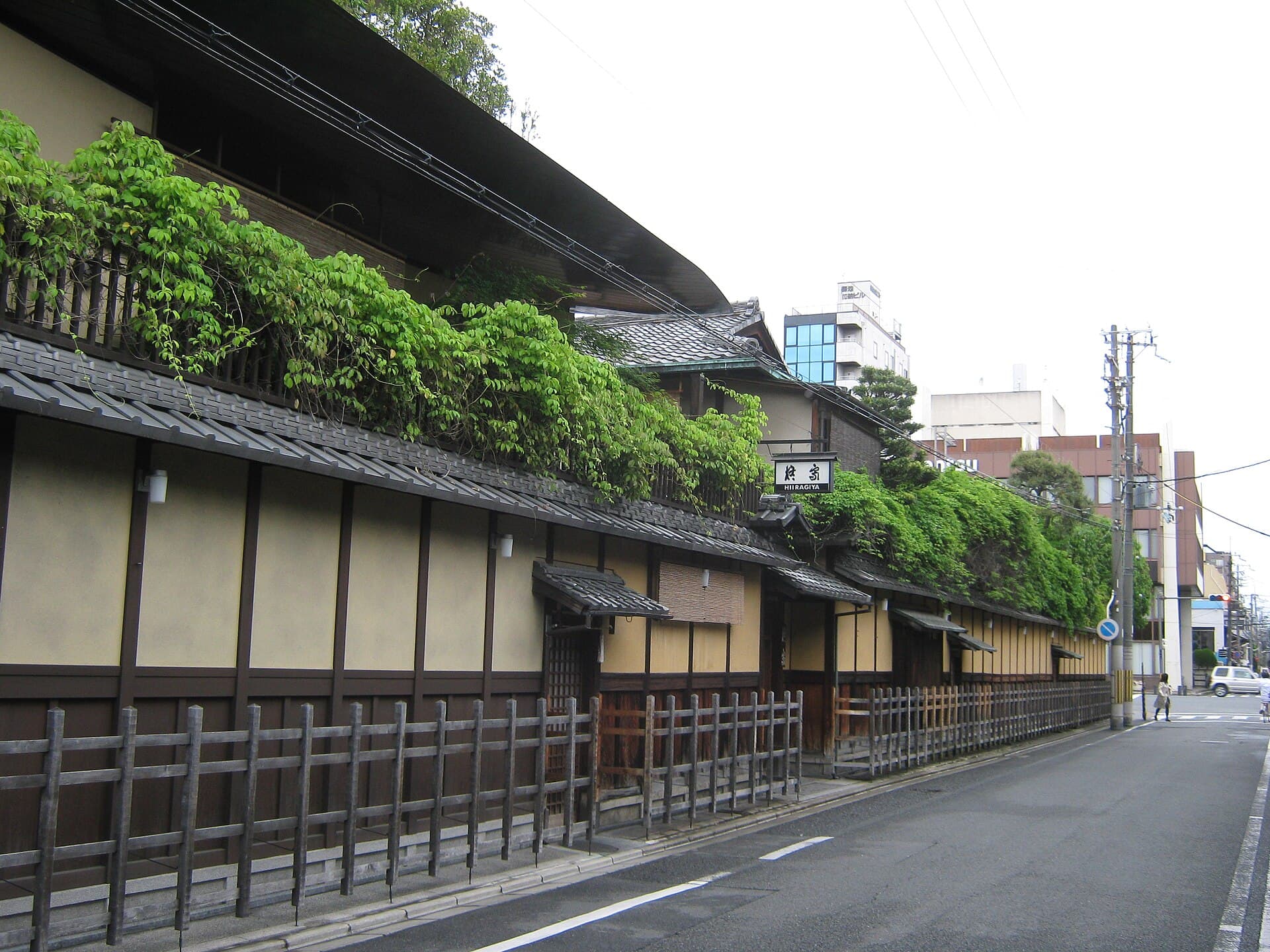
KyotoLuxury
Fuyacho-Anekoji, Nakagyo, Kyoto — in the city centre, a short walk from Kyoto City Hall
8 sources
Hiiragiya
柊家
Kyoto's 1818 inn of writers and film stars — near-flawless service and kaiseki, koyamaki-wood baths, and no hot spring
- Historic Ryokan
- Destination Dining

Aizu-WakamatsuClassic
Higashiyama Onsen, Aizu-Wakamatsu, Fukushima — a wooden inn beside the Yukawa river, a minute from the Higashiyama Onsen bus stop
9 sources
Mukaitaki
会津東山温泉 向瀧
Japan's first registered-heritage inn: a former Aizu clan bath retreat with scalding free-flowing water, free private baths and carp dinners in your room — and a lot of stairs
- Historic Ryokan

Kinosaki OnsenClassic
Yushima, Kinosaki, Toyooka, Hyogo — in the heart of the onsen town, two minutes from Goshonoyu
9 sources
Mikiya
城崎温泉 三木屋
Shiga Naoya's inn, rebuilt in wood in 1927 — some of Kinosaki's warmest service and two free private baths, though winter crab doesn't always live up to the price
- Historic Ryokan
Photo credits: Hiiragiya — the frontage on Anekoji-dori, Kyoto · Mariemon / CC BY 3.0 / Mukaitaki in the snow, Higashiyama Onsen, Aizu-Wakamatsu · Fumihiko Ueno / CC BY 3.0 / Mikiya — the wooden main building, Kinosaki · Ippukucho / CC BY 3.0
Yunoshimakan
Compare rates across trusted booking partners · Affiliate disclosure