Kutsurogijuku Shintaki
会津東山温泉 くつろぎ宿 新滝
Area photo — not the ryokan itself · Cherry blossom at Tsuruga Castle, Aizu-Wakamatsu, Fukushima · SQZ / CC BY 4.0
A big, well-run riverside inn with four truly free-flowing baths — including the Aizu lords' rock bath fed from the bedrock beneath it — free sake in the lounge and Aizu-style dinners at a fair price; it's busy, dim and full of stairs, and private baths cost extra
Shintaki is one of two inns run by Kutsurogijuku, a company that relaunched old Higashiyama inns in 2005; its annex was once a separate inn, Fudōtaki. Its pride is Sennen-no-yu, a natural rock bath built over spring-fed bedrock that the inn says was once the bath of the Aizu domain lords, plus Saru-no-yu, named for the legend that Hijikata Toshizō soaked here during the Boshin War; the painter Takehisa Yumeji stayed three times between 1911 and 1930. The inn states that every bath is free-flowing, with no added water, heating, recirculation or filtration — rare for a house of about 90 rooms — and bathing bloggers in 2023–2024 rated the water excellent. Japanese guests score it 4.7 across 6,893 reviews on one major site (baths 4.8) and 4.65 across 2,467 on another. They praise the renovated river-view twin rooms, a free lounge with coffee, soup, amazake and local sake until 22:00, a creative Aizu dinner of horse sashimi, yuba and kozuyu that changes on a second night, and an 11:00 check-out. The catches: it's a large, lively inn with dim corridors, steep steps down to Sennen-no-yu and only one lift in some wings; private-bath slots cost ¥1,500, and nobody can bathe between about 0:15 and 5:15. In 2024–2026 guests also reported a distant overflow car park, a billing error and a wrong room number, a curt front desk, a bath tax payable only in cash at check-out, and a room smelling of tobacco. Two-meal stays in 2026 mostly cost ¥16,000–23,000 per person; the onsen rooms run over ¥30,000.
Room Selection Guide
What the guests who stayed here actually recommendRecommended
Riverside twins — the Higashi-kan Wa-modern Twin (34㎡) or annex Wide Twin (30㎡)
The rooms most 2026 reviewers booked: semi-double beds, a tatami corner in the Wa-modern type and the sound of the river below — guests from August to October 2026 praised the space and cleanliness, and typically paid ¥16,000–23,000 per person with two meals. One October 2026 guest in a Wide Twin smelled tobacco despite the no-smoking rule. Families take the West-wing two-room corner rooms (twin plus 10 tatami).
Adults-only rooms 01–03 and 11–13 with a semi-open-air bath
Opened in 2022: 46–58㎡ Western-style rooms with a free-flowing onsen tub on a riverside terrace and a private lounge serving local sake. A March 2024 solo guest paid ¥43,750 on a weekday for 02 (the smallest) and found it well worth it, though regulars of luxury inns might find the furnishings 'a little cheap'; a November 2024 guest in 01 liked the room bath so much that Sennen-no-yu went unvisited. 01–03 are in the basement via stairs (no wheelchairs), children 12 and under aren't allowed, and the inn warns that neighbours may hear voices from the baths.
Request To Avoid
Compact Twin (20–23㎡) and the Standard Japanese room with no view
The cheapest rooms: the inn describes the 20–23㎡ Compact Twins as business rooms about half the size of a standard Japanese room, and the 12-tatami old-farmhouse-style Japanese room has no view. A March 2024 solo guest arriving late after work booked a room-and-breakfast plan for ¥10,950 and judged it the right call for a short night. Note too that the 2026 semi-suites with an open-air bath face the hillside, not the river.
Know which room you want?
Check live rates and availability for Kutsurogijuku Shintaki.
We may earn a commission if you book through these links, at no extra cost to you. Affiliate disclosure
Dining Deep Dive
Breakfast Consensus
4.3/5A buffet from 7:00 built around local food — Aizu rice (white, brown or porridge), local side dishes, curry, breads, desserts and even local sake; well liked, but it gets crowded, with a long queue reported around 7:30
Arrive early: Sennen-no-yu's private slots (19:00–23:55, ¥1,500) are booked first-come by phone from 9:00 to 20:00 or at the front desk, and the nearest parking spaces seem to go to early arrivals. The free lounge pours sake, plum wine and shōchū until 22:00 (beer is paid). Shintaki guests can also use sister inn Chiyotaki's baths, a short walk up a steep slope.
Dinner Insights
4.3/5A creative Aizu set dinner in the Kai dining room, with window counters that suit solo diners and couples: yuba and horse-meat sashimi with garlic-miso, kozuyu scallop soup, raw vegetables with a tofu dip, wagyu, miso-cured salmon and Aizu rice, with 30+ local sakes. An October 2026 guest called it more dishes than they could finish, and guests staying two nights get a different menu; a solo diner writing in May 2024 rated the food merely 'decent' but loved the atmosphere. Cheaper plans eat a buffet at Chiyotaki instead.
Onsen & Wellness Realities
Higashiyama's sodium-calcium sulphate-chloride spring. The inn states every bath is free-flowing with no added water, heating, recirculation or filtration. Sennen-no-yu's rock bath rises from the bedrock beneath the tub; Watari-yu and Saru-no-yu use a blend of five sources (52.8°C, pH 7.9), which a 2023 bathing blogger found excellent.
Four baths, all on the ground floor: Watari-yu (hinoki, with a riverside open-air bath) and Saru-no-yu (indoor and outdoor, hot and warm tubs, the most washing stations) stay men's and women's, open from about 5:15–5:30 to 24:15. The two Sennen-no-yu baths, 27 steep steps below ground, alternate between men and women and become private 25- or 50-minute slots for ¥1,500 from 19:00; they have no showers or shampoo. Bloggers note that Saru-no-yu is busy at peak times and that the riverside private bath is screened and dark at night.
The inns' official bath page says guests with tattoos (including fashion tattoos) may not use the large shared baths. The paid private baths and the nine rooms with their own onsen bath are the alternatives — confirm with the inn.
Local Warnings & Nuances
- 01
Check-in 15:00, check-out 11:00. No shuttle from Aizu-Wakamatsu Station: take the loop bus about 15 minutes to Higashiyama Onsen-eki and call from the stop if you need a pick-up.
- 02
Parking is free, but a March 2024 guest was sent to an overflow lot a few hundred metres away, and an August 2026 guest complained of being guided into a tight space.
- 03
Expect stairs and walking: the inn spreads over several wings, some with a single lift; Sennen-no-yu is 27 steps down and the basement onsen rooms are reached by stairs only.
- 04
The six semi-open-air-bath rooms and their lounge are adults-only (no children 12 and under), and companions staying in other rooms can't enter them. Children are otherwise welcome, with kids' meals and family buffet plans.
- 05
The onsen bath tax is paid in cash at check-out — a July 2026 guest wasn't told in advance.
Sources
The real blog posts and stay reports this article draws on
- 東山温泉 くつろぎ宿 新滝 <わたり湯・猿の湯編> (温泉×酒÷音楽≒テディ熊谷)
- 東山温泉 くつろぎ宿 新滝 (自己中のブログ)
- くつろぎ宿 新滝(2024.3)①チェックイン・パブリックスペース (思い出に残る温泉旅館〜おこもり滞在記〜)
- くつろぎ宿 新滝(2024.3)⑨朝食(2泊目)・感想 (思い出に残る温泉旅館〜おこもり滞在記〜)
- 「くつろぎ宿 新滝」松平家ゆかりの岩風呂がある源泉掛け流しの宿!お誕生日旅行2泊3日の旅!2泊目 (4travel.jp)
- くつろぎ宿 新滝 (じゃらんnet)
- くつろぎ宿 新滝のクチコミ・評判 (じゃらんnet)
- 会津東山温泉 くつろぎ宿 新滝 クチコミ (楽天トラベル)
- 【公式】くつろぎ宿 新滝
- お風呂 | くつろぎ宿 新滝 (公式)
- お部屋 | くつろぎ宿 新滝 (公式)
- 温泉付き特別室 | くつろぎ宿 新滝 (公式)
- 湯めぐり - 会津東山温泉 くつろぎ宿 千代滝・新滝 (公式)
More Consensus Reports

Aizu-WakamatsuClassic
Higashiyama Onsen, Aizu-Wakamatsu, Fukushima — a wooden inn beside the Yukawa river, a minute from the Higashiyama Onsen bus stop
12 sources
Mukaitaki
会津東山温泉 向瀧
Japan's first registered-heritage inn: a former Aizu clan bath retreat with scalding free-flowing water, free private baths and carp dinners in your room — and a lot of stairs
- Historic Ryokan
KyotoLuxury
Fuyacho-Anekoji, Nakagyo, Kyoto — in the city centre, a short walk from Kyoto City Hall
9 sources
Hiiragiya
柊家
Kyoto's 1818 inn of writers and film stars — near-flawless service and kaiseki, koyamaki-wood baths, and no hot spring
- Historic Ryokan
- Destination Dining

Kinosaki OnsenClassic
Yushima, Kinosaki, Toyooka, Hyogo — in the heart of the onsen town, two minutes from Goshonoyu
9 sources
Mikiya
城崎温泉 三木屋
Shiga Naoya's inn, rebuilt in wood in 1927 — some of Kinosaki's warmest service and two free private baths, though winter crab doesn't always live up to the price
- Historic Ryokan
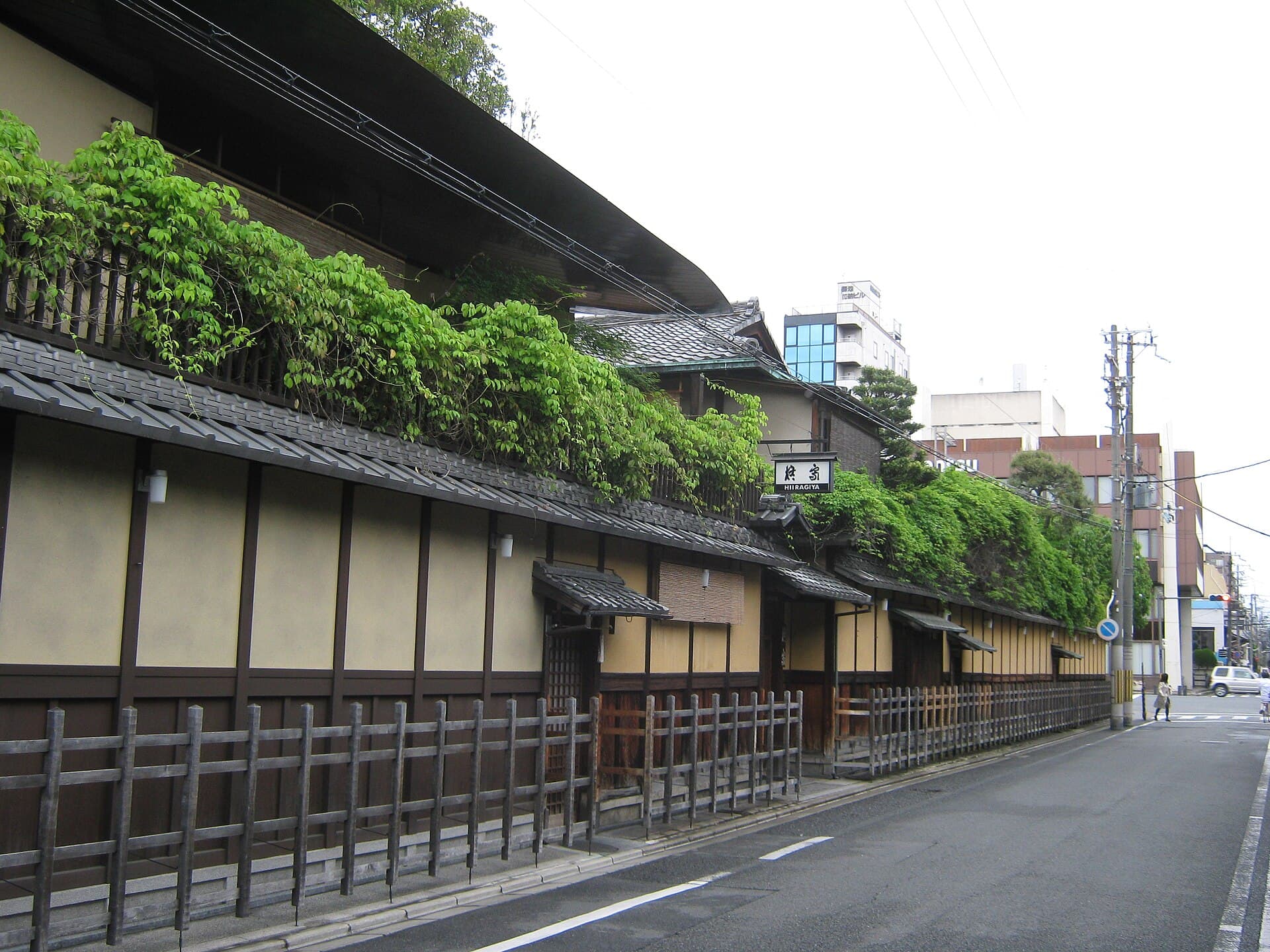
Photo credits: Mukaitaki in the snow, Higashiyama Onsen, Aizu-Wakamatsu · Fumihiko Ueno / CC BY 3.0 / Hiiragiya — the frontage on Anekoji-dori, Kyoto · Mariemon / CC BY 3.0 / Mikiya — the wooden main building, Kinosaki · Ippukucho / CC BY 3.0
Kutsurogijuku Shintaki
Compare rates across trusted booking partners · Affiliate disclosure