Sekizenkan
積善館
Sekizenkan — the Honkan and the red Keiun Bridge, Shima Onsen · Kentaro Ohno / CC BY 2.0
A 1691 bathhouse inn, a 1930 bathhall and a modern tower on one hillside — pick your building carefully, and stay the night for Genroku-no-yu without the day crowds
Sekizenkan is really three inns joined by corridors and a tunnel. The Honkan, which the inn says dates from 1691 and is Japan's oldest surviving wooden onsen inn, is a prefectural Important Cultural Property; the 1936 Sanso, known for its latticed shoji, is a nationally registered cultural property; and Kashotei is a modern building on higher ground behind them. Japanese bloggers keep reaching for Spirited Away when they describe it, and everyone raves about Genroku-no-yu, a 1930 bathhall with arched windows and five sunken tubs where the water wells up from the bottom. The spring itself — 67°C at the source, drinkable, and used without recirculation, heating or added water, according to one blogger — earns its highest mark: 4.70 for baths on a major Japanese booking site, where Kashotei and the Sanso average 4.57 across 148 reviews. The Honkan scores 4.54 on another site and is astonishing value: bloggers paid roughly ¥10,000–12,000 per person with two meals between 2021 and 2025. The trade-off is an old wooden building — shared toilets, footsteps and voices through the floors, cold corridors in winter. In Kashotei, reviewers love the in-room onsen baths but complain that dinner can arrive cold and pre-plated, and recent reviews mention hair on the floor, dusty vents and machinery noise at night.
Room Selection Guide
What the guests who stayed here actually recommendRecommended
Honkan (main building) — the cheap, historic choice
Tatami rooms of about 10 plus 3 mats in the 17th-century building, with free Wi-Fi, a fridge and air conditioning but no toilet or sink of your own. Bloggers who stayed here from 2021 to 2025 paid roughly ¥10,000–12,000 per person with dinner and breakfast and called it an extraordinary price. Genroku-no-yu is on the ground floor, so you can bathe early or late when the day visitors have gone.
Kashotei rooms with an open-air onsen bath
Kashotei's top floors have suites and 'concept' rooms with their own open-air bath fed from the spring, plus a corner room with a semi-open-air bath. A 2020 blogger in a corner room barely left it, soaking in the private bath with its pine-tree view again and again. Kashotei's standard rooms (12.5 tatami plus a sunroom) have an indoor bath rather than an open-air one.
Request To Avoid
Honkan, if you are a light sleeper or visiting in winter
Bloggers heard footsteps from the floor above and voices from below, and the wooden floors creak; one reviewer said the guests upstairs walked around all evening. Toilets are shared (men's and women's, Western-style and clean), and in winter the corridors stay cold even with heating on.
Kashotei, if you have mobility issues or heavy luggage
Getting between the buildings and baths involves stairs, long corridors and a tunnel; reviewers found the layout confusing and hard work with bags, and one warned it would be difficult for elderly guests.
Know which room you want?
Check live rates and availability for Sekizenkan.
We may earn a commission if you book through these links, at no extra cost to you. Affiliate disclosure
Dining Deep Dive
Breakfast Consensus
4.0/5A Japanese breakfast in the dining hall; in the Honkan it is vegetable-led, with a choice of plain rice or rice porridge and refills of rice and miso soup — one blogger rated it above dinner
Genroku-no-yu opens to day visitors from about 10am to 5pm, when it can get crowded. As an overnight guest, go before breakfast or after dinner — as one blogger put it, it is something you only truly get by staying.
Dinner Insights
3.7/5It depends entirely on your building. Honkan guests get the 'Sekizen bento', a three-tier box served 18:00–19:30 in the hall or taken to your room, with free refills of Joshu pork soup; reviewers are surprised how good it is for the price, though one found the seasoning monotonous. Kashotei and Sanso guests get kaiseki. Some reviews call every dish beautiful and carefully made, but a detailed 2025 review found the food cold and pre-plated — 'lined up in the kitchen and carried out in order' — and advised treating dinner as a bonus rather than the reason to come. Drinks are on the expensive side.
Onsen & Wellness Realities
A sodium-calcium chloride-sulfate spring, about 67°C at the source and close to neutral (pH 6.6), which one blogger reports is used without recirculation, heating, chemicals or added water. It is drinkable, and there is a drinking fountain.
Genroku-no-yu (Honkan, 1930) is the showpiece: a tiled hall with five tubs and a steam bath using the spring's own vapour. The Honkan also has a rock bath that alternates between men and women. Kashotei's Mori-no-yu has indoor and open-air baths that feel 'like being in a forest'. There is a small private bath in the Sanso (free when bloggers used it, though it was closed for renovation on a 2024 stay) and two bookable private baths in Kashotei (¥3,300 for 45 minutes in 2021). One recent reviewer found the outdoor bath's temperature unstable.
Not addressed in any source we read. The private baths and Kashotei's rooms with their own onsen bath let you bathe without sharing.
Local Warnings & Nuances
- 01
Check which building you are booking. The Agoda listing covers Kashotei and the Sanso; the Honkan is booked through the inn's own website.
- 02
The tunnel linking the Honkan to the other buildings is atmospheric by day but, one blogger admitted, 'honestly a bit scary at night'.
- 03
Check-in is 15:00; check-out is 10:00 in the Honkan and 11:00 in the Sanso and Kashotei.
- 04
Shima Onsen gets heavy snow: a February 2025 guest had to dig their car out in the morning.
- 05
Prices in our sources: ¥9,900 per person with two meals in the Honkan on a December 2021 weekday, and about ¥10,000–12,000 in 2023–2025. We found no reliable recent figure for Kashotei or the Sanso — check current rates.
Sources
The real blog posts and stay reports this article draws on
- 【四万温泉 積善館本館】宿泊記!ジブリ映画の世界観ただよう日本最古の木造湯宿へ (ゆことりっぷ)
- 「四万温泉 積善館」泊 千と千尋みを感じる本館に宿泊。元禄の湯は唯一無二の雰囲気! (しろいるか旅行記)
- 四万温泉「積善館」宿泊記ブログ「極上湯と現代の湯治スタイル…!」 (KOUのふわふわ温泉)
- 【宿泊記】千と千尋の神隠しのイメージモデルとなった四万温泉 積善館・佳松亭②客室・大浴場 (Merry's Blog)
- 【宿泊記】四万温泉 積善館 佳松亭・山荘 夕食&朝食レビュー (AVENIORA)
- 四万温泉 積善館 佳松亭積善 宿泊記② (ずっとそばに)
- 積善館(佳松亭・山荘) クチコミ・評判 (一休.com)
- 積善館(本館) クチコミ・評判 (Yahoo!トラベル)
- 四万温泉 積善館 (公式サイト)
More Consensus Reports
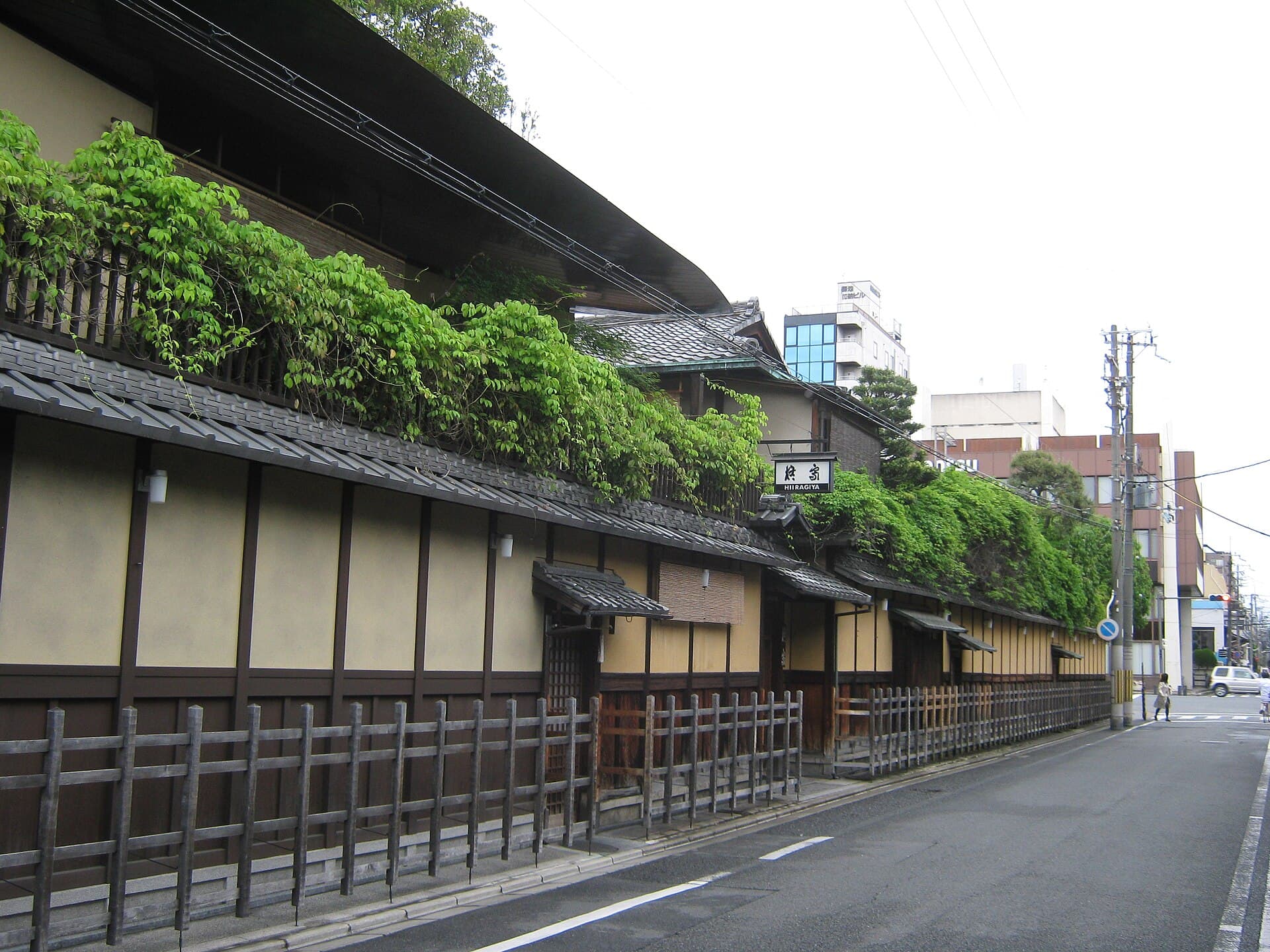
KyotoLuxury
Fuyacho-Anekoji, Nakagyo, Kyoto — in the city centre, a short walk from Kyoto City Hall
8 sources
Hiiragiya
柊家
Kyoto's 1818 inn of writers and film stars — near-flawless service and kaiseki, koyamaki-wood baths, and no hot spring
- Historic Ryokan
- Destination Dining

Aizu-WakamatsuClassic
Higashiyama Onsen, Aizu-Wakamatsu, Fukushima — a wooden inn beside the Yukawa river, a minute from the Higashiyama Onsen bus stop
9 sources
Mukaitaki
会津東山温泉 向瀧
Japan's first registered-heritage inn: a former Aizu clan bath retreat with scalding free-flowing water, free private baths and carp dinners in your room — and a lot of stairs
- Historic Ryokan

Kinosaki OnsenClassic
Yushima, Kinosaki, Toyooka, Hyogo — in the heart of the onsen town, two minutes from Goshonoyu
9 sources
Mikiya
城崎温泉 三木屋
Shiga Naoya's inn, rebuilt in wood in 1927 — some of Kinosaki's warmest service and two free private baths, though winter crab doesn't always live up to the price
- Historic Ryokan
Photo credits: Hiiragiya — the frontage on Anekoji-dori, Kyoto · Mariemon / CC BY 3.0 / Mukaitaki in the snow, Higashiyama Onsen, Aizu-Wakamatsu · Fumihiko Ueno / CC BY 3.0 / Mikiya — the wooden main building, Kinosaki · Ippukucho / CC BY 3.0
Sekizenkan
Compare rates across trusted booking partners · Affiliate disclosure