Takinoya
登別温泉郷 滝乃家
Area photo — not the ryokan itself · Jigokudani (Hell Valley), Noboribetsu Onsen, Hokkaido · Calistemon / CC BY-SA 4.0
Four kinds of Noboribetsu spring water, barefoot tatami corridors and private-room kaiseki — but only a dozen rooms have onsen of their own, and extras are thin for the price
Takinoya is one of Noboribetsu's long-established upmarket inns — more than ninety years old by its own account — and it makes the most of the town's extraordinary water: four different spring types piped from Jigokudani feed a top-floor bath (salt and iron springs) and a basement garden bath (radium and sulphur). Japanese guests rate the baths highest (4.78 on one leading site, 4.7 across 759 reviews on another, where the inn averages 4.7). They also love the arrival — valet parking, matcha and a sweet — tatami corridors you walk barefoot, and kaiseki in private dining rooms from a Japanese head chef working with a French chef, with local flounder and Tokachi beef or abalone shabu-shabu. Only the twelve D and DW rooms have their own open-air bath of flowing spring water; the other rooms' baths are not onsen. Complaints cluster around value and upkeep: rooms with lingering odours, worn fittings, a broken fireplace and a false fire alarm, tiny portions for one 2026 guest, no free drinks or extras, a pushy sale of paid coffee, and a small top-floor bath with two showers that closes at 9:00. Expect from about ¥81,400 for two with two meals, and around ¥100,000 for a room with its own onsen.
Room Selection Guide
What the guests who stayed here actually recommendRecommended
D rooms (Japanese-Western, open-air bath on a wooden deck)
Ten rooms with their own open-air bath of free-flowing spring water — 'a strong sulphur smell!' wrote one guest, while another's was cloudy white and faintly iron-scented. Dinner is served in the room's dining area. They're hard to book, bloggers warn; a solo guest paid ¥76,200 for one on a weekday in 2022.
DW rooms (92㎡ Japanese rooms)
The two largest onsen rooms, with a separate dining room served through a staff door so your meal arrives without anyone crossing your room.
Request To Avoid
AW, AY, CW and CY rooms, if you want onsen in the room
These have a hinoki or view bath filled with ordinary water, not hot-spring water — you'll use the shared baths for onsen. Recent reviews of these rooms mention wear, a broken fireplace (CY), and a musty or choking smell.
B Western rooms and solo stays
Three Western rooms are pitched at solo travellers, but one solo guest felt the value was poor, and solo stays before holidays are generally not accepted.
Know which room you want?
Check live rates and availability for Takinoya.
We may earn a commission if you book through these links, at no extra cost to you. Affiliate disclosure
Dining Deep Dive
Breakfast Consensus
4.3/5A Japanese breakfast built around simmered tofu, with straw-wrapped natto — rated 4.8 on one major site, though one 2025 guest called it a standard line-up
Use the basement garden bath late (open until midnight) or early; the top-floor bath closes at 9:00 in the morning and has only two washing stations. Sources disagree on when the men's and women's sides swap, so check the times at check-in.
Dinner Insights
4.3/5Kaiseki in private dining rooms (or in your room in D rooms), 17:30–19:00, with no dinner if you arrive after 19:00. Bloggers describe hirame and matsukawa flounder sashimi, a choice of Tokachi beef roast or abalone shabu-shabu, potato mochi and sakura trout; local snow crab is extra. Guests are fond of having one server from dinner through breakfast. Criticisms: a 2024 repeat guest found the beef less good than before, a 2026 guest called the portions tiny, and several wish an inn of this class offered some free drinks — beer is ¥935 and sake ¥1,210.
Onsen & Wellness Realities
Four spring types from Jigokudani: salt and iron springs in the top-floor Kumoi-no-yu, radium and sulphur in the basement garden bath Chien-no-yu. The D and DW rooms' open-air baths are free-flowing spring water; other rooms' in-room baths are not onsen.
Kumoi-no-yu (top floor) is open 14:00–22:00 and 5:00–9:00; Chien-no-yu (basement, garden) 15:00–24:00 and 5:00–10:00, plus a sauna. Bloggers and booking sites disagree about whether and when the men's and women's sides swap. The top-floor bath is small, and one 2026 reviewer couldn't recommend it; D-room baths can run hot, and staff reduced the flow for one guest.
No policy stated on the official or booking sites. A 2026 reviewer mentioned seeing a tattooed guest in the large bath; a D room's private open-air bath avoids the question entirely.
Local Warnings & Nuances
- 01
Check-in 14:00–18:30, check-out 11:00. The Noboribetsu Onsen bus terminal is 3 minutes' walk; JR Noboribetsu Station is about 10 minutes by taxi, and New Chitose Airport about an hour by taxi or Donan bus. Some booking sites say the inn will collect you from the bus terminal on request; others list no pickup.
- 02
Prices seen on a Japanese booking site: from ¥81,400 for two with two meals (AY/AW rooms) and from ¥94,600 (CW). A blogger's rule of thumb: about ¥100,000 for two with an onsen room, ¥70,000 without.
- 03
The whole inn has been non-smoking since April 2021, with a smoking room off the lobby.
- 04
Children are welcome, with child rates, a free stroller and children's yukata listed by one booking site.
- 05
Don't confuse it with its sister inn, Takinoya Bekkan Tamanoyu, which is a separate property.
Sources
The real blog posts and stay reports this article draws on
More Consensus Reports
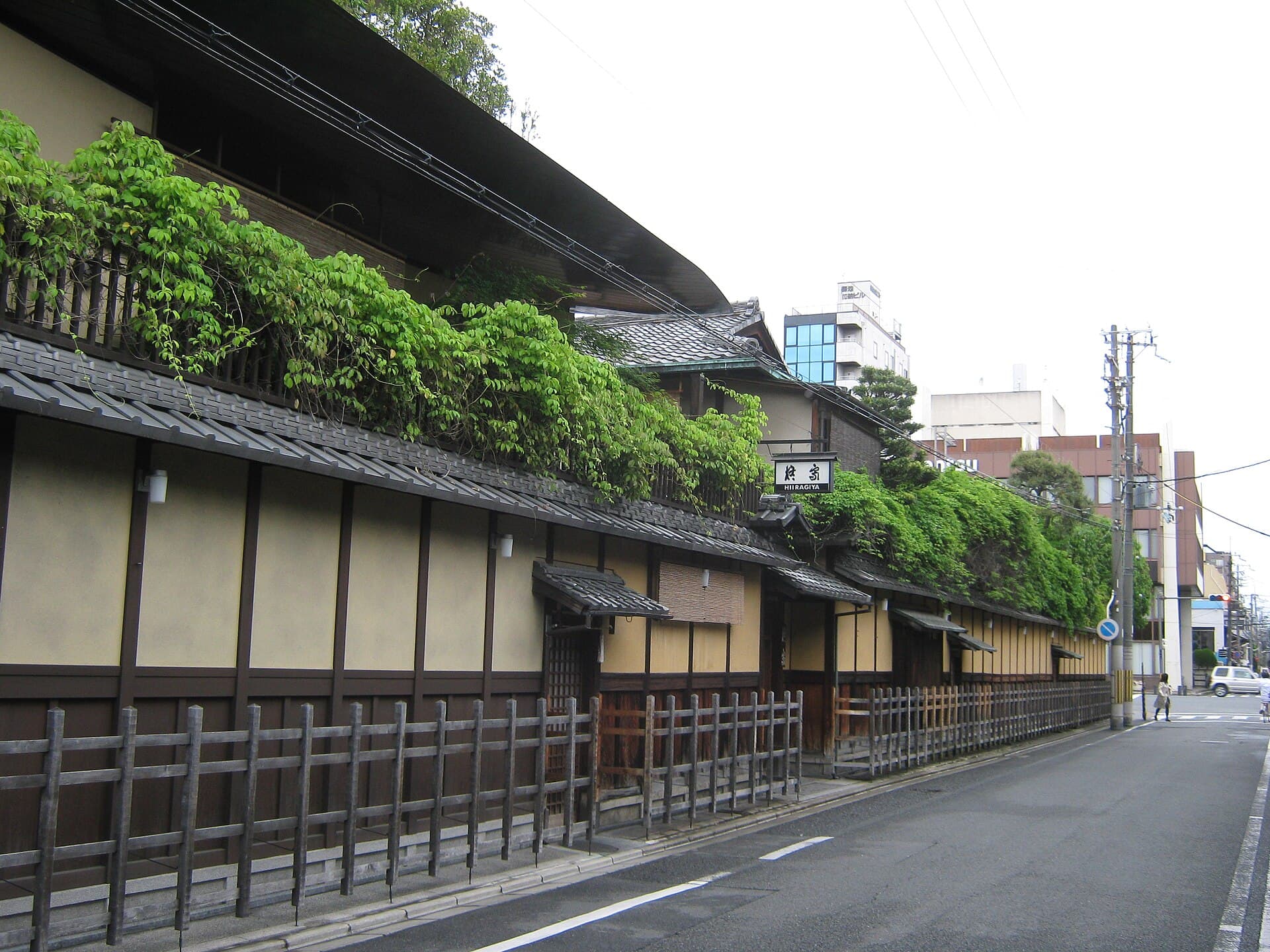
KyotoLuxury
Fuyacho-Anekoji, Nakagyo, Kyoto — in the city centre, a short walk from Kyoto City Hall
8 sources
Hiiragiya
柊家
Kyoto's 1818 inn of writers and film stars — near-flawless service and kaiseki, koyamaki-wood baths, and no hot spring
- Historic Ryokan
- Destination Dining

Aizu-WakamatsuClassic
Higashiyama Onsen, Aizu-Wakamatsu, Fukushima — a wooden inn beside the Yukawa river, a minute from the Higashiyama Onsen bus stop
9 sources
Mukaitaki
会津東山温泉 向瀧
Japan's first registered-heritage inn: a former Aizu clan bath retreat with scalding free-flowing water, free private baths and carp dinners in your room — and a lot of stairs
- Historic Ryokan

Kinosaki OnsenClassic
Yushima, Kinosaki, Toyooka, Hyogo — in the heart of the onsen town, two minutes from Goshonoyu
9 sources
Mikiya
城崎温泉 三木屋
Shiga Naoya's inn, rebuilt in wood in 1927 — some of Kinosaki's warmest service and two free private baths, though winter crab doesn't always live up to the price
- Historic Ryokan
Photo credits: Hiiragiya — the frontage on Anekoji-dori, Kyoto · Mariemon / CC BY 3.0 / Mukaitaki in the snow, Higashiyama Onsen, Aizu-Wakamatsu · Fumihiko Ueno / CC BY 3.0 / Mikiya — the wooden main building, Kinosaki · Ippukucho / CC BY 3.0
Takinoya
Compare rates across trusted booking partners · Affiliate disclosure