Rankeiso
妙湶和樂 嵐渓荘
Rankeiso, Echigo-Nagano Onsen · Bernie Ongewe / CC BY-SA 4.0
A riverside secluded-onsen inn with a registered cultural-property wooden building, salty therapeutic water, free private baths and mountain-village kaiseki of carp and wild vegetables — but the spring is heated and recirculated, and the old wing carries sound
Rankeiso stands alone beside a mountain stream in the hills east of Sanjō; its founder hand-dug the well in the late Taishō era, when the salty water was even sold in Tokyo as medicine. A member of the Japanese Association of Secluded Hot Spring Inns, it has 17 rooms in three buildings, the star being Ryokufūkan, an early-Shōwa wooden inn moved here from Tsubame in 1955 and registered as a national tangible cultural property in 2012. The water is a very salty sodium chloride cold spring (about 15.7 g of minerals per kg) that emerges at 16.5°C, so it's heated and recirculated — the inn's own posting makes that clear, and several guests notice chlorine. Japanese guests still rate it 4.64 across 364 reviews on one major site and 4.7 across 46 on another, with dinner and baths near the top. They love the views of the stream, the two free private baths — Ishi-yu of river stones and the 130cm-deep standing bath Fuka-yu — and the yamazato kaiseki served in private rooms: raw carp with no muddy taste, salt-grilled river fish, whole-stem fern, and a breakfast of rice porridge cooked in spring water. The complaints: noise and (before a late-2025 renovation) stink bugs in Ryokufūkan, shared toilets in most of its rooms, a maze of steps, small outdoor baths, a disinfectant smell, and food some found dated or too salty. Recent guests paid about ¥26,000–32,000 per person with two meals.
Room Selection Guide
What the guests who stayed here actually recommendRecommended
Keiryūkan (渓流館), the riverside block
Seven 10-mat rooms on the 2nd and 3rd floors with lift access, a unit bath and toilet, and big windows onto the stream — 'like a painting' (July 2026), with a snow view in winter (2023). The in-room bath is an ordinary unit bath.
Ryokufūkan (緑風館), the cultural-property building, for atmosphere
Five rooms in the 1955-relocated wooden inn with a rooftop lookout; a late-2025 renovation added toilets to Chigusa and Fuji, airtight window frames against stink bugs, ceiling soundproofing and insulation. Guests can choose the building but not a specific room; one 2026 guest found the interior more remodelled than expected, and another would choose it again despite the noise.
Request To Avoid
Ryokufūkan if you're a light sleeper; Suiyūkan if you want old-style atmosphere
The inn itself warns that sound carries between Ryokufūkan's floors — a September 2026 guest was woken by a group below — and three of its rooms have no toilet or washbasin; Rankei can't be locked. Suiyūkan (renovated 2022, beds and a terrace, next to the private baths) feels more like a hotel and is far from the front desk. The layout is a maze of steps throughout.
Know which room you want?
Check live rates and availability for Rankeiso.
We may earn a commission if you book through these links, at no extra cost to you. Affiliate disclosure
Dining Deep Dive
Breakfast Consensus
4.3/5Onsen-gayu — rice porridge cooked only in spring water — with miso-cured salmon, house tofu and house yoghurt; light, 'almost shōjin', and too salty for at least one 2026 guest
Book the free shuttle at least two days ahead (one run a day from Tsubame-Sanjō at 14:45). Check in early to get a good slot for the free private baths (16:00–22:00, 30 minutes; after 22:00 just lock the door). Draft beer is only at the lounge counter, not at dinner. Checkout is free until 11:00 if your room isn't needed.
Dinner Insights
4.4/5Yamazato kaiseki of 11 or 13 dishes in a private room: raw carp (praised by bloggers and reviewers from 2022 to 2026 for having no muddy taste — one guest still disliked it), salt-grilled river fish, whole-stem zenmai and bracken, beef on a hot stone, with wild vegetables in spring, ayu in summer and matsutake in autumn; seafood can replace the carp. All cooking uses the inn's spring water. Criticisms in 2026: small, thin meat, a 'Shōwa' feel, and dishes too salty.
Onsen & Wellness Realities
The inn's own sodium chloride cold mineral spring (about 15.7 g/kg — a therapeutic spring), clear and tasting of kombu tea, emerging at 16.5°C. The inn's posting: no water added, heated, recirculated, topped up with fresh spring water; guests report chlorine.
Separate men's and women's large baths, each with an indoor and a small outdoor tub ('two at a squeeze'), open except 9:30–11:00 and 14:30–15:30, and not swapped. The two Yama-no-yu private baths — Ishi-yu of river stones and the standing Fuka-yu about 130cm deep — are free for guests (booked slots 16:00–22:00, then free use until 10:00) but open to day visitors by sex 11:00–15:30. Gripes: booked-out slots, a winter-cold corridor to the private baths, a disinfectant smell (January 2026), slimy stones and horseflies in summer.
No policy found on the official site or Japanese booking sites — contact the inn. The free private baths avoid sharing.
Local Warnings & Nuances
- 01
Check-in 15:00 (sometimes 16:00 in busy periods), check-out 10:00.
- 02
Not barrier-free: five steps before the lift; wheelchair users enter via the staff entrance.
- 03
Getting there: Tsubame-Sanjō Station, then the once-daily free shuttle (booked two days ahead), a 45-minute taxi, or Sanjō's demand taxi (not Sundays or holidays).
- 04
Children are welcome with set child rates, a baby cot in the women's bath and children's yukata; pets aren't allowed inside.
- 05
One May 2026 guest found the front desk unstaffed, calls unanswered and insects in the bath — an outlier, but recent.
Sources
The real blog posts and stay reports this article draws on
More Consensus Reports
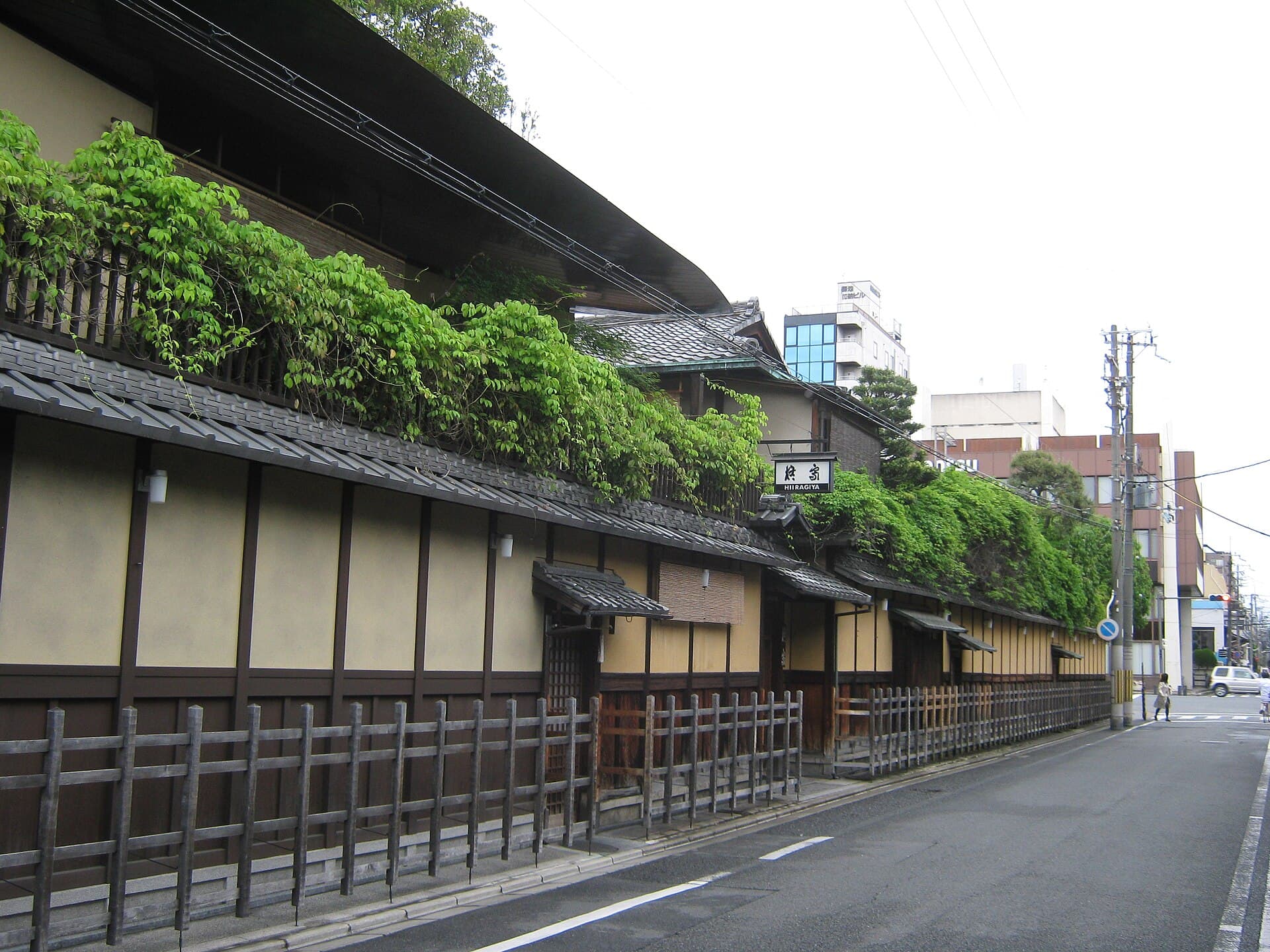
KyotoLuxury
Fuyacho-Anekoji, Nakagyo, Kyoto — in the city centre, a short walk from Kyoto City Hall
9 sources
Hiiragiya
柊家
Kyoto's 1818 inn of writers and film stars — near-flawless service and kaiseki, koyamaki-wood baths, and no hot spring
- Historic Ryokan
- Destination Dining

Aizu-WakamatsuClassic
Higashiyama Onsen, Aizu-Wakamatsu, Fukushima — a wooden inn beside the Yukawa river, a minute from the Higashiyama Onsen bus stop
12 sources
Mukaitaki
会津東山温泉 向瀧
Japan's first registered-heritage inn: a former Aizu clan bath retreat with scalding free-flowing water, free private baths and carp dinners in your room — and a lot of stairs
- Historic Ryokan

Kinosaki OnsenClassic
Yushima, Kinosaki, Toyooka, Hyogo — in the heart of the onsen town, two minutes from Goshonoyu
9 sources
Mikiya
城崎温泉 三木屋
Shiga Naoya's inn, rebuilt in wood in 1927 — some of Kinosaki's warmest service and two free private baths, though winter crab doesn't always live up to the price
- Historic Ryokan
Photo credits: Hiiragiya — the frontage on Anekoji-dori, Kyoto · Mariemon / CC BY 3.0 / Mukaitaki in the snow, Higashiyama Onsen, Aizu-Wakamatsu · Fumihiko Ueno / CC BY 3.0 / Mikiya — the wooden main building, Kinosaki · Ippukucho / CC BY 3.0
Rankeiso
Compare rates across trusted booking partners · Affiliate disclosure