A shadowy, designer-restored wooden inn with centuries of history and a half-mixed bath of rust-red kinsen water — adored for its staff, divisive for its bath and its creaks
Goshobo traces itself to the Kamakura era, took its name from a stay by the shogun Ashikaga Yoshimitsu, and has hosted Tanizaki, Yosano Akiko and Ito Hirobumi. Since 1986 the designer Kosuke Watanuki has shaped its look — dim, tactile, 'In Praise of Shadows' interiors across three wooden wings from the early-to-mid Showa era, the oldest a registered cultural property. It has just 16 rooms, and on one major Japanese site it averages 4.9 across 366 reviews with perfect scores for dinner and service; guests praise staff who remember birthdays, speak foreign languages and drive you to the station. The bath is the talking point: rust-red kinsen water, iron-rich and very salty, flowing straight from the source into a half-open-air bath where the men's and women's sides meet across rocks, so couples can chat — 'you can see each other's faces', as the inn puts it. Some love it; others found it old-fashioned, unsettling or cold. The other complaints are about the building: thin walls, creaking floors and footsteps from above, four floors of stairs with no lift, and rooms too dim to read in. Dinner is Tajima beef seared over straw and fish from Akashi; breakfast, black-bean tofu simmered over charcoal. Another site's 4.33 across 312 reviews includes a notable tail of disappointed guests.
Room Selection Guide
What the guests who stayed here actually recommendRecommended
Superior rooms (中庸, renovated October 2021)
Three 40–46㎡ rooms with fewer stairs and close to the main bath — the practical choice in a building with no lift.
Premium Suites (心楽)
Two suites of about 130㎡ with their own kinsen bath, so you can enjoy the famous water without the half-mixed main bath. Suite 501 can be reached by wheelchair through a rear entrance.
Request To Avoid
Standard rooms (地久) and upper floors, if you're a light sleeper or unsteady on stairs
The cheapest rooms (37–39㎡); a solo guest paid about ¥38,000 for one in 2023. Reviewers mention thin walls, footsteps and creaks from above, and a four-storey climb with no lift — one 2024 guest called it hard on elderly people with bad legs. Rooms are deliberately dim; bring a light if you want to read.
Know which room you want?
Check live rates and availability for Tosen Goshobo.
We may earn a commission if you book through these links, at no extra cost to you. Affiliate disclosure
Dining Deep Dive
Breakfast Consensus
4.5/5Tamba black-bean yudofu kept warm over charcoal, hirōsu, Suma nori and refillable rice — then the room turns into a salon for coffee
If the half-mixed bath worries you, book the off-site private bath Yuya Shofu (with a steam bath) — ¥5,500 for 60 minutes, a minute or two's walk away.
Dinner Insights
4.3/5'Mountain-house' cooking served in the dining room Kan or in your room, 18:00–21:00: Tajima-guro beef seared over straw, fish from Akashi's port, Spanish mackerel grilled over charcoal for an hour, Banshu red chicken with Akashi octopus and Kobe beef teppanyaki. Most reviewers are delighted, but one booking site's own summary notes dinners served cold, and others mention tables too close together, dried-out sashimi or slow courses, and a sense that it wasn't worth the price.
Onsen & Wellness Realities
Kinsen only: iron-rich, strongly salty chloride water, 95°C at the source (a blend of the Gosho and Uwanari springs), free-flowing without recirculation. It can irritate sensitive skin — one guest's mother became itchy — and runs hot.
One main bath, Kingosen, reached through a cave-like passage: half indoor, half open-air, with separate men's and women's sides that meet across rocks in the middle. Photos are banned inside. Critics call the half-mixed layout 'a bit old-fashioned' or unsettling, found the bath area cold in winter and wished there were somewhere to sit between soaks. The inn's private tea-room bath closed in March 2024; the off-site Yuya Shofu private bath is the alternative. Guest hours are 15:00–9:30 (closed midnight–1:00); day visitors come 11:00–14:00 (not Mondays).
No policy on the official or Japanese booking sites. A third-party guide says tattoo restrictions apply in the communal bath — unconfirmed; the in-suite baths and Yuya Shofu avoid the question.
Local Warnings & Nuances
- 01
Children are accepted only if they'll stay quiet; the inn points families with small children to its sister property, Hotel Algo.
- 02
Getting there: phone from Arima Onsen Station and staff will collect you (it's a 3–5 minute walk). Drivers park at the Arima-sato car park, with a shuttle until 18:00. Check-in 15:00, check-out 10:00.
- 03
About half the guests are from overseas, one 2024 blogger estimated; a 2026 reviewer was bothered by noisy children in the bath.
- 04
Don't confuse it with its sister inns — Goshobessho, Hanakoyado, Hotel Algo and others.
- 05
Price range on one Japanese travel site: from about ¥18,400 to ¥192,500 per person, depending on room and date.
Sources
The real blog posts and stay reports this article draws on
More Consensus Reports
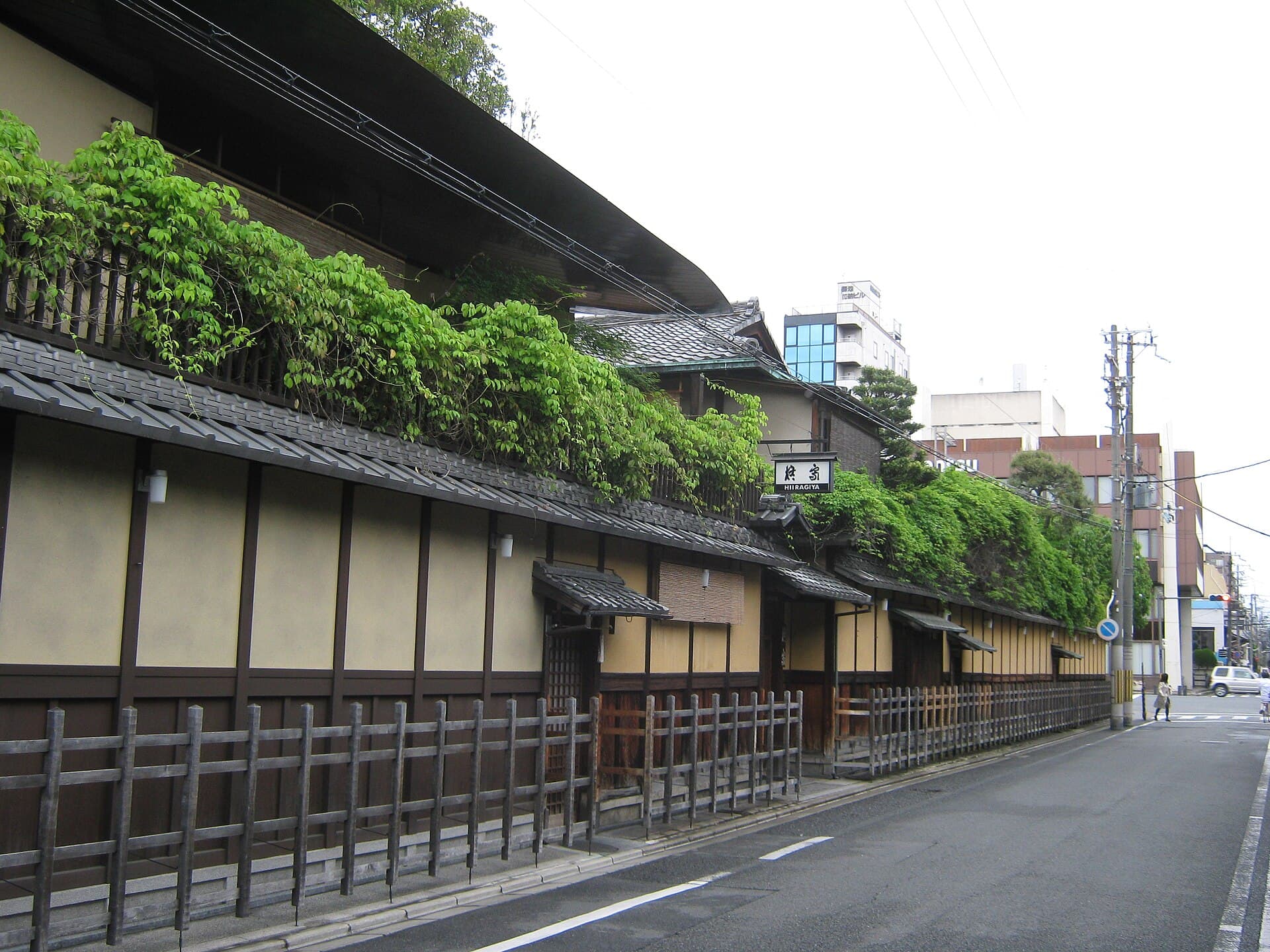
KyotoLuxury
Fuyacho-Anekoji, Nakagyo, Kyoto — in the city centre, a short walk from Kyoto City Hall
8 sources
Hiiragiya
柊家
Kyoto's 1818 inn of writers and film stars — near-flawless service and kaiseki, koyamaki-wood baths, and no hot spring
- Historic Ryokan
- Destination Dining

Aizu-WakamatsuClassic
Higashiyama Onsen, Aizu-Wakamatsu, Fukushima — a wooden inn beside the Yukawa river, a minute from the Higashiyama Onsen bus stop
9 sources
Mukaitaki
会津東山温泉 向瀧
Japan's first registered-heritage inn: a former Aizu clan bath retreat with scalding free-flowing water, free private baths and carp dinners in your room — and a lot of stairs
- Historic Ryokan

Kinosaki OnsenClassic
Yushima, Kinosaki, Toyooka, Hyogo — in the heart of the onsen town, two minutes from Goshonoyu
9 sources
Mikiya
城崎温泉 三木屋
Shiga Naoya's inn, rebuilt in wood in 1927 — some of Kinosaki's warmest service and two free private baths, though winter crab doesn't always live up to the price
- Historic Ryokan
Photo credits: Hiiragiya — the frontage on Anekoji-dori, Kyoto · Mariemon / CC BY 3.0 / Mukaitaki in the snow, Higashiyama Onsen, Aizu-Wakamatsu · Fumihiko Ueno / CC BY 3.0 / Mikiya — the wooden main building, Kinosaki · Ippukucho / CC BY 3.0
Tosen Goshobo
Compare rates across trusted booking partners · Affiliate disclosure